The Rise of eSports: Redefining Competitive Gaming
eSports has transformed the world of gaming from casual entertainment into a global competitive phenomenon. What once was considered a niche hobby is now a thriving industry with millions of players and spectators worldwide. With professional tournaments, high-stakes prizes, and dedicated fan bases, eSports is redefining what it means to compete and succeed in the digital age.
The Evolution of eSports
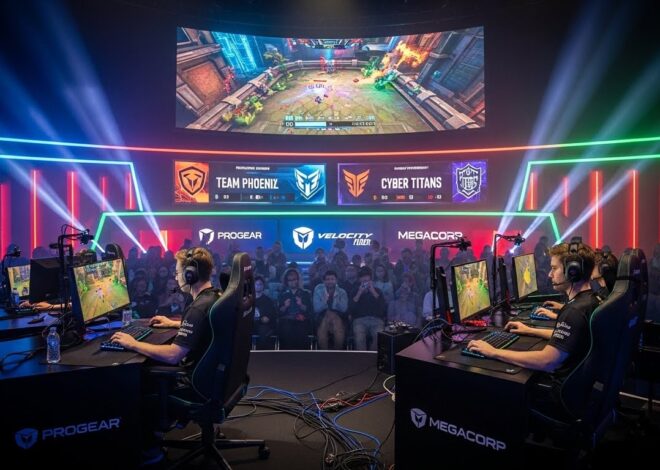
The history of eSports traces back to early video game competitions in arcades and local tournaments. As gaming technology advanced and internet connectivity improved, competitive gaming grew into a professional sport. Today, eSports encompasses a wide range of games including first-person shooters, strategy games, and multiplayer online battle arenas. Platforms around the world now host international tournaments with professional teams and live audiences, demonstrating the legitimacy and scale of eSports as a global industry.
Professional Players and Competitive Teams
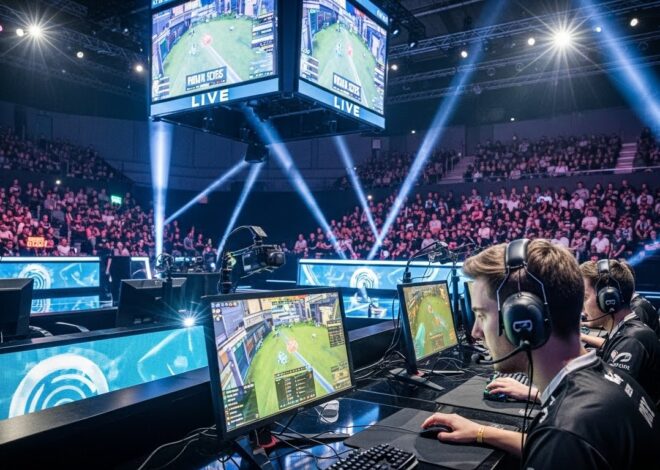
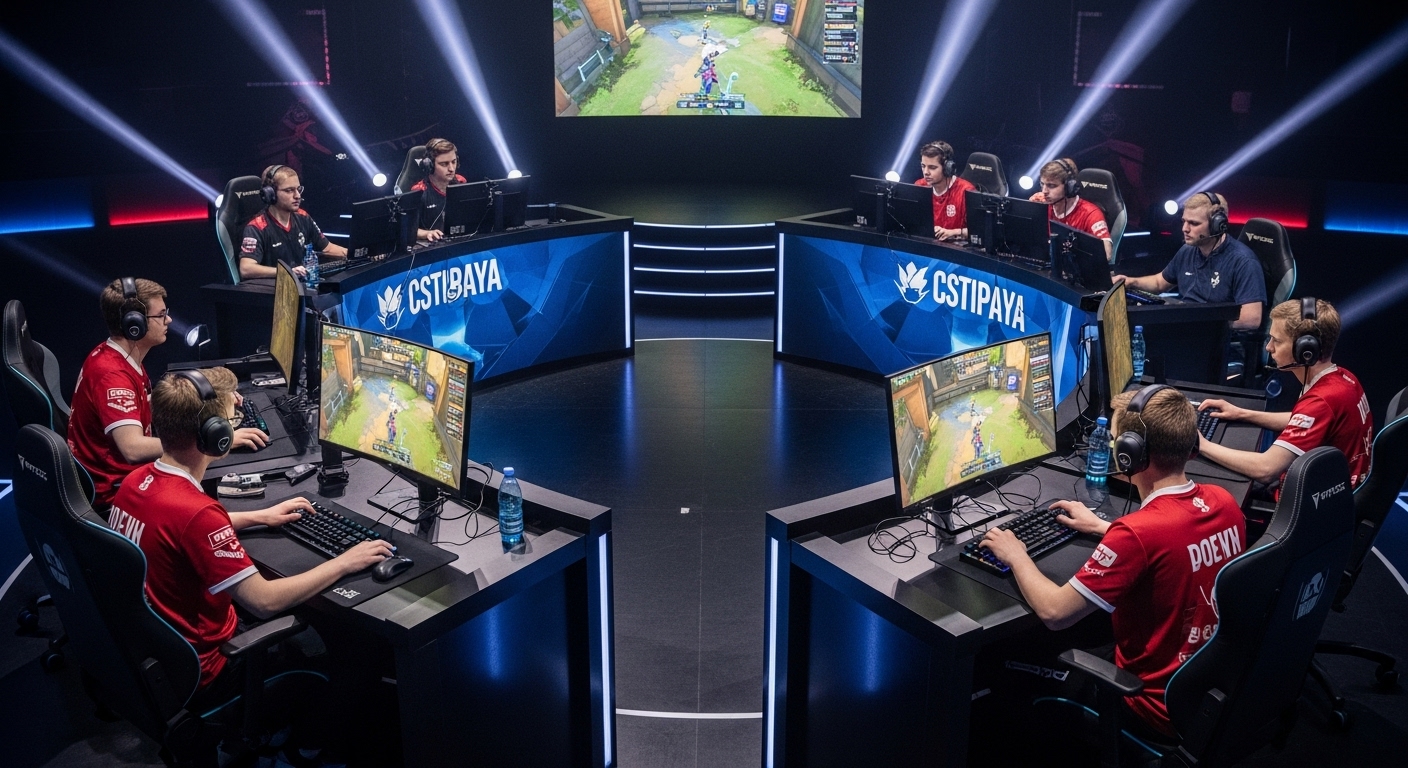
Professional eSports players dedicate hours each day to perfecting their skills, just like traditional athletes. Teams are structured with coaches, analysts, and support staff to ensure peak performance. Players must combine quick reflexes, strategic thinking, and teamwork to succeed at the highest levels. The rise of professional eSports has created a career path for talented gamers, offering salaries, sponsorships, and global recognition.
The Growth of eSports Tournaments
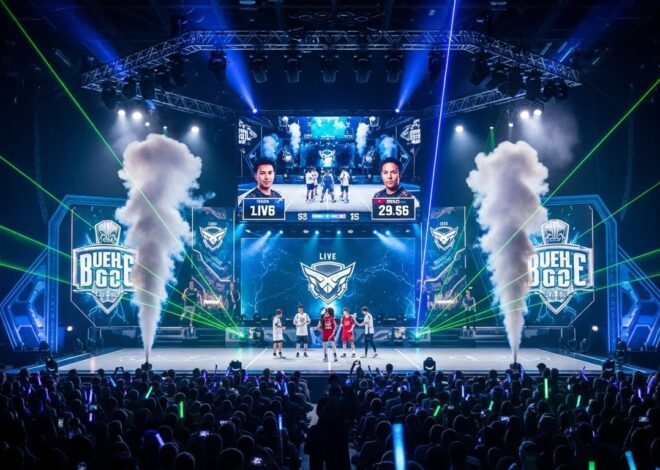
Major eSports tournaments attract millions of viewers online and in stadiums worldwide. Events like championships in popular games offer prize pools worth millions of dollars, demonstrating the financial and cultural impact of competitive gaming. Streaming platforms have also revolutionized the way fans engage with tournaments, making it possible to follow live matches, interact with players, and join communities dedicated to the games they love.
eSports as a Social Experience
Beyond competition, eSports fosters a sense of community. Fans connect through live streams, forums, and social media to discuss strategies, celebrate victories, and share content. Multiplayer games create a collaborative environment where players learn teamwork, communication, and leadership skills. eSports has transformed gaming from a solitary activity into a social and interactive experience.
The Educational and Skill-Building Aspects of eSports
eSports is more than just entertainment—it also develops valuable skills. Players enhance cognitive abilities such as problem-solving, decision-making, and strategic thinking. Competitive gaming encourages discipline, focus, and adaptability. Educational institutions are increasingly recognizing eSports as a tool for learning, offering programs that teach teamwork, communication, and digital literacy through gaming.
The Future of eSports
The future of eSports is filled with growth and innovation. Advances in virtual reality and augmented reality promise more immersive gameplay experiences. The global reach of eSports will continue to expand, creating opportunities for players, fans, and businesses alike. As technology evolves, eSports is poised to become an even more integral part of entertainment, sports, and culture worldwide.
Conclusion
eSports has redefined the boundaries of gaming, turning digital competitions into professional, global spectacles. It combines skill, strategy, and community, offering both players and fans a unique and dynamic experience. As eSports continues to grow, it will shape the future of competitive entertainment, proving that gaming is not just a hobby—it is a sport, a career, and a cultural phenomenon.