The Rise of Esports: Redefining Competition in the Digital Age
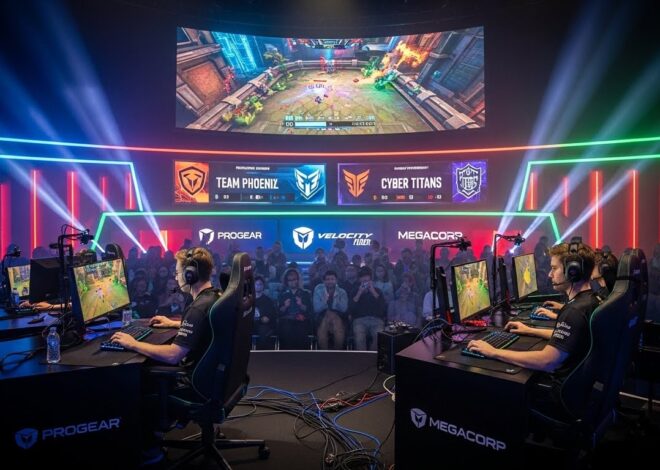
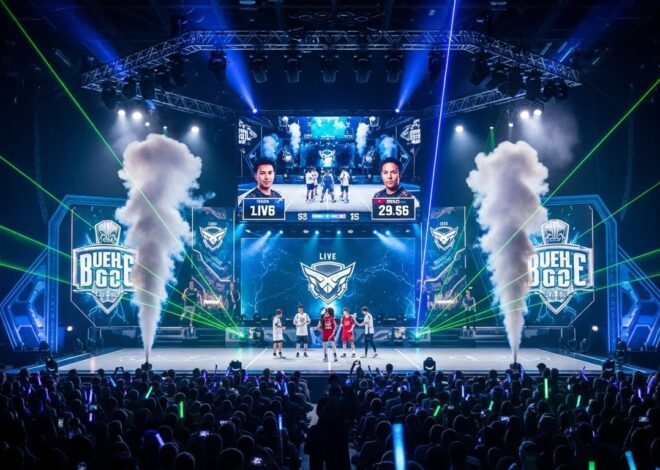
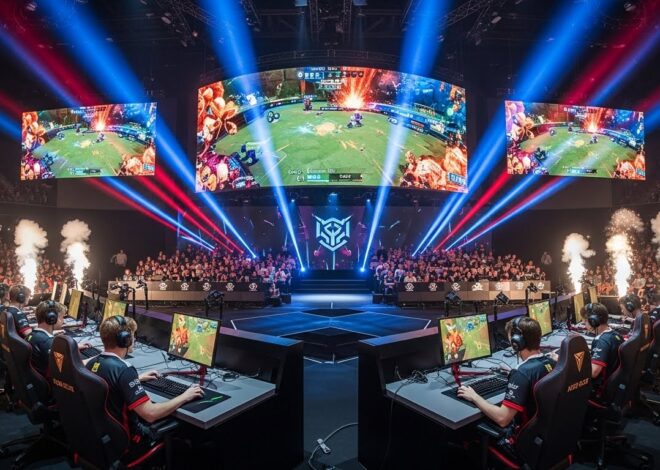
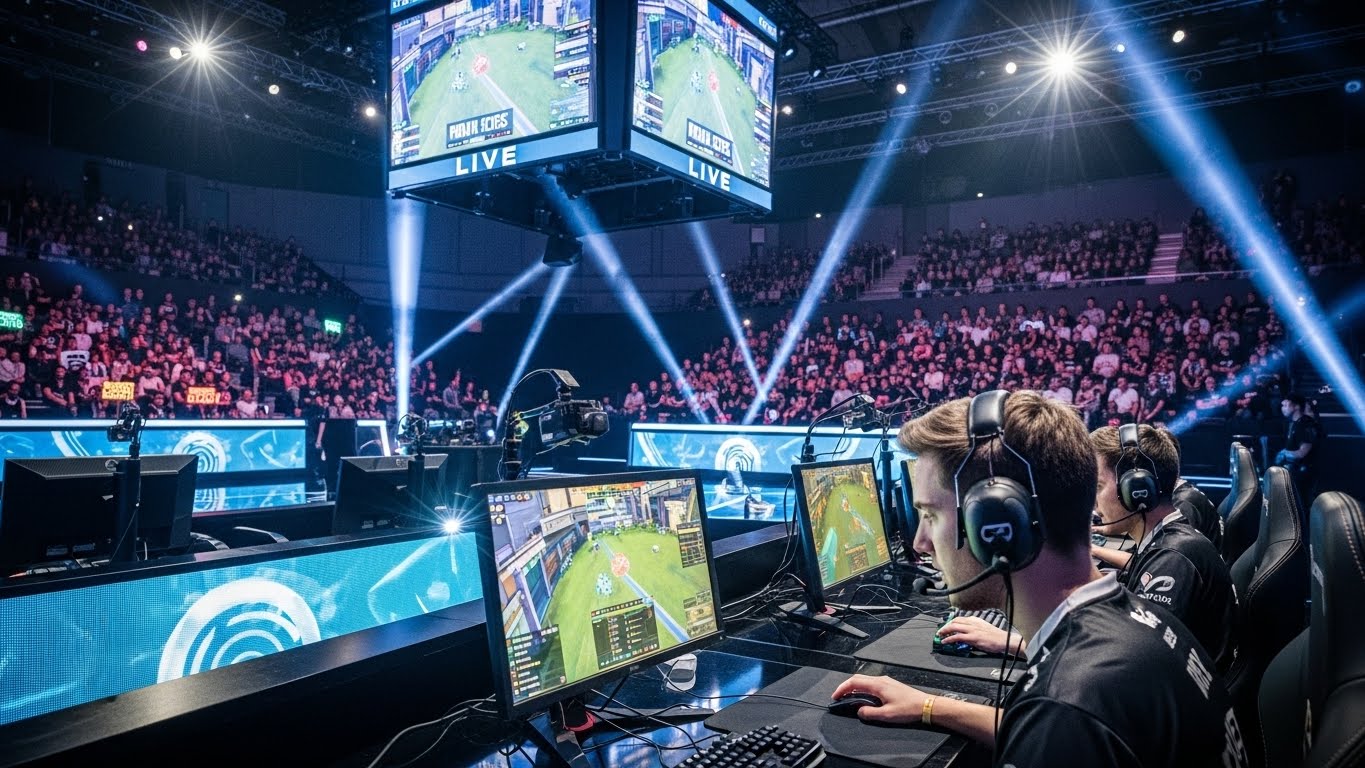
Esports, or competitive video gaming, has transformed from a niche hobby into a global phenomenon, reshaping how people view sports, entertainment, and technology. What began as small gatherings of gamers has evolved into massive international tournaments, professional teams, and lucrative sponsorships. Today, esports is not just about playing games—it is about community, strategy, skill, and the convergence of technology and entertainment. In this blog, we explore the evolution of esports, the current trends, technological impact, cultural significance, and what the future holds for this rapidly growing industry.
The Origins of Esports
The roots of competitive gaming can be traced back to the early 1980s, when arcade competitions and high-score challenges were popular among enthusiasts. Games like Space Invaders, Pac-Man, and Donkey Kong became the first platforms for competitive play, drawing attention to the idea that gaming could go beyond casual entertainment. Early tournaments were small and local, but they laid the groundwork for organized competitive gaming.
The 1990s saw the rise of networked PC gaming, which enabled multiplayer competitions over local networks and the internet. Titles like Doom, Quake, and StarCraft introduced more complex gameplay, strategy, and team-based competition. These games became the foundation of modern esports, emphasizing skill, coordination, and tactical thinking.
The Explosion of Online Multiplayer
The proliferation of online multiplayer games in the 2000s marked a turning point for esports. Games such as Counter-Strike, Warcraft III, and League of Legends attracted global audiences and fostered a new level of competitive engagement. Online connectivity allowed players to compete with others across continents, creating international rivalries and communities.
Platforms for streaming and video sharing further amplified esports’ reach. Spectators could watch top players compete live, learn strategies, and celebrate achievements. This shift transformed esports from a participant-focused hobby to a spectator-driven entertainment industry, drawing millions of viewers worldwide.
Professionalization of Esports
As competitive gaming gained popularity, the concept of professional esports emerged. Organizations began sponsoring players and teams, providing salaries, training facilities, and management support similar to traditional sports. Major tournaments now offer prize pools reaching millions of dollars, attracting elite players and building fan followings.
Professional esports has established leagues, teams, and structured competitions across various games. Titles like Dota 2, Fortnite, Call of Duty, and Overwatch have dedicated professional circuits, mirroring traditional sports leagues. This professionalization has elevated esports’ credibility, creating opportunities for careers not only as players but also as coaches, analysts, broadcasters, and event organizers.
The Role of Technology in Esports
Technology is at the heart of esports, enabling immersive experiences, competitive fairness, and global connectivity. High-performance gaming hardware, including graphics cards, processors, and monitors, allows players to compete at the highest levels. Advanced networking infrastructure ensures minimal latency, which is critical in fast-paced games where milliseconds can determine outcomes.
Streaming technology has been equally transformative. Platforms that allow live broadcasting of matches to global audiences have turned esports into a spectator sport. Virtual arenas, augmented reality overlays, and interactive viewing options enhance the audience experience, making esports events highly engaging and dynamic.
Esports as a Global Phenomenon
Esports is now a global industry, with tournaments and competitions taking place on every continent. South Korea, in particular, has been a pioneer in professional gaming culture, establishing esports as a mainstream career path. China, North America, and Europe have rapidly expanded their esports ecosystems, investing in infrastructure, sponsorships, and talent development.
International competitions, such as The International for Dota 2 and the League of Legends World Championship, attract millions of viewers worldwide. These events showcase top-tier talent and bring national pride, rivaling traditional sports in both excitement and viewership.
The Cultural Impact of Esports
Esports has had a profound impact on culture, particularly among younger generations. It has reshaped perceptions of gaming, turning what was once considered a hobby into a respected competitive endeavor. Esports fosters a sense of community, with fans forming social connections through online platforms, forums, and live events.
Moreover, esports promotes strategic thinking, teamwork, and problem-solving skills. Players must adapt to rapidly changing situations, communicate effectively, and make decisions under pressure. These skills are transferable beyond gaming, influencing education, career development, and personal growth.
The Economics of Esports
The esports industry has become a multi-billion-dollar enterprise, with revenue streams from sponsorships, advertising, media rights, merchandise, and ticket sales. Brands and companies recognize the value of esports’ engaged and tech-savvy audience, investing heavily in tournaments, teams, and content creation.
Prize money in esports tournaments has reached unprecedented levels, with top players earning substantial incomes. Beyond players, the industry supports a wide ecosystem including event organizers, commentators, coaches, analysts, and technical staff. This economic expansion demonstrates the legitimacy and sustainability of esports as a professional and entertainment industry.
Esports and Education
Esports is increasingly being integrated into educational programs, with universities offering scholarships and courses related to gaming and digital media. Collegiate esports programs provide students with opportunities to compete while developing skills in strategy, teamwork, leadership, and communication.
The educational potential of esports extends beyond gameplay. Game design, programming, marketing, and event management are all fields connected to esports. Integrating esports into academic curricula encourages creativity, innovation, and technological literacy among students.
Challenges Facing the Esports Industry
Despite its rapid growth, esports faces several challenges. Mental and physical health are significant concerns, as professional players often undergo intense training schedules that can lead to burnout and repetitive strain injuries. Organizations are increasingly emphasizing wellness programs and balanced routines to address these issues.
Additionally, regulatory and ethical concerns, including fair play, cheating, and sponsorship ethics, must be addressed to maintain the credibility of esports. Ensuring inclusivity, diversity, and accessibility is also critical as the industry expands globally, making esports an environment that welcomes players of all backgrounds and abilities.
The Future of Esports
The future of esports promises even more growth, innovation, and integration into mainstream culture. Advances in virtual reality, augmented reality, and cloud gaming are likely to create new forms of competitive gaming, blurring the lines between traditional sports and digital experiences.
Esports may also expand into hybrid events, combining live audiences with interactive online participation. AI-driven analytics and coaching tools could enhance player performance and audience engagement, further professionalizing the industry. As technology evolves, esports is poised to become an even more immersive, inclusive, and influential part of global entertainment.
Conclusion: Esports as a Cultural and Competitive Force
Esports has evolved from simple competitive gaming into a global industry that intersects entertainment, technology, and culture. It has redefined what it means to be an athlete, a spectator, and a participant in the digital age. With professional leagues, massive tournaments, and global audiences, esports demonstrates that video games are more than just pastimes—they are competitive, strategic, and culturally significant experiences.
As esports continues to grow, it will influence how we perceive competition, creativity, and community. It is not merely a trend but a lasting transformation in the world of entertainment, bridging technology, sport, and human connection in unprecedented ways.