
The Rise of eSports: How Competitive Gaming is Shaping the Future of Sports Entertainment
Introduction: The Phenomenon of eSports
Over the past decade, a quiet revolution has been taking place in the world of competitive entertainment. What was once a niche activity for gaming enthusiasts has now become a multi-billion-dollar industry with millions of fans, professional players, and high-stakes tournaments. eSports, or competitive video gaming, has evolved into one of the fastest-growing sectors in the global entertainment market.
The rise of eSports is not just a trend; it’s a cultural shift that is redefining the boundaries of what we consider “sport.” While traditional sports like football, basketball, and soccer have long captured the attention of millions around the world, eSports is quickly gaining momentum, attracting a new generation of fans who prefer digital competition over physical contests. In this blog post, we’ll explore the factors behind the explosive growth of eSports, how it is changing the way we consume competitive entertainment, and the future potential of this dynamic industry.
The Growth of eSports: From Hobby to Industry
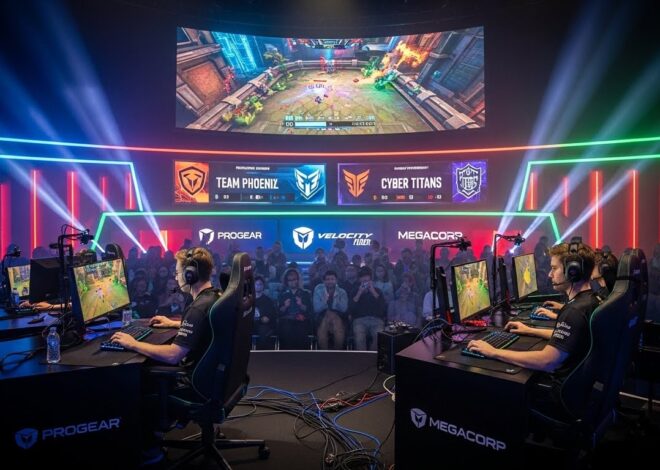
eSports began as a small subculture within the gaming community, but over the years, it has transformed into a global phenomenon. The first major eSports tournaments took place in the late 1990s, but it wasn’t until the mid-2000s that competitive gaming began to gain mainstream attention. Games like StarCraft, Warcraft III, and Counter-Strike served as the foundation for the growth of eSports tournaments, and as internet speeds improved and streaming platforms like Twitch gained popularity, the ability to broadcast these events to a global audience became a game-changer.
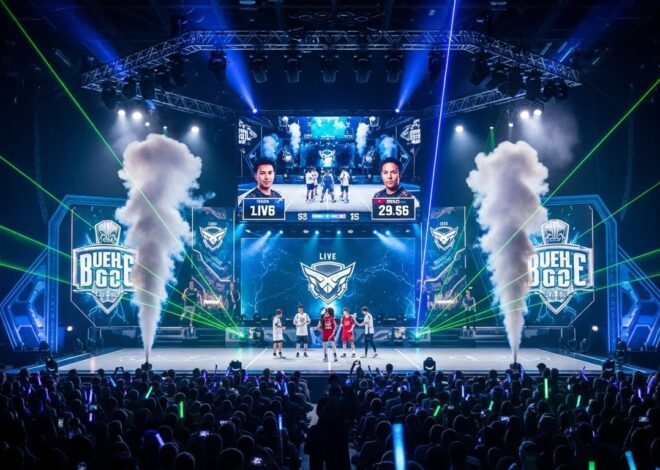
The turning point for eSports came in 2011 when the League of Legends World Championship was held, attracting thousands of live spectators and millions of online viewers. Since then, eSports has only grown, with major tournaments for games like Dota 2, Fortnite, Call of Duty, and Overwatch drawing in millions of viewers from around the world. Prize pools for these tournaments have skyrocketed, with some of the largest competitions offering millions of dollars in prize money. The Dota 2 International, for instance, set a record in 2018 with a prize pool of over $25 million.
The rise of professional gaming leagues, sponsorship deals, and partnerships with major brands has helped solidify eSports as a legitimate form of entertainment. Major sports networks like ESPN and Fox Sports now air eSports events, and traditional sports franchises such as the New York Yankees and Golden State Warriors have invested in eSports teams. The growing mainstream recognition has brought eSports into the spotlight, with even major tech companies like Intel, Nvidia, and Razer becoming sponsors and advocates of the industry.
The Mechanics of Competitive Gaming
At its core, eSports is about skill, strategy, and teamwork. Unlike traditional sports, where physical prowess is the main determinant of success, competitive gaming requires a unique set of cognitive and mental abilities. Players must possess sharp reflexes, quick decision-making skills, and the ability to work seamlessly with teammates under pressure. In many ways, eSports players are athletes in their own right, requiring hours of practice and dedication to reach the top of their games.
The most popular eSports titles span a wide range of genres, from first-person shooters (FPS) and real-time strategy (RTS) games to multiplayer online battle arena (MOBA) and battle royale games. Some of the most well-known games in the eSports world include:
- League of Legends: A MOBA game where two teams of five players compete to destroy the enemy’s base.
- Dota 2: Another MOBA with deep strategic gameplay, known for its complexity and high skill ceiling.
- Counter-Strike: Global Offensive: A tactical first-person shooter (FPS) where two teams compete to plant or defuse a bomb.
- Fortnite: A battle royale game where players fight to be the last person standing on a shrinking map.
- Call of Duty: A fast-paced FPS known for its multiplayer modes and esports tournaments.
Each of these games has its own set of rules, strategies, and skill sets required to succeed. Competitive gaming involves constant practice and analysis of in-game mechanics, team coordination, and adaptation to opponents’ strategies. Like in traditional sports, eSports players often have coaches, analysts, and support staff who help them improve their gameplay and prepare for major tournaments.
The Professionalization of eSports
One of the key factors behind the success of eSports has been the professionalization of the industry. As the sport gained popularity, organizations began to emerge that helped structure eSports into something akin to traditional sports leagues. Today, eSports is organized into regional leagues and global competitions, with teams, coaches, and management structures similar to those in professional sports.
Top eSports players are now considered celebrities, with large social media followings, sponsorships from major brands, and lucrative salaries. Much like athletes in traditional sports, these players sign contracts with eSports organizations, often committing to a team for multiple years. In return, they receive salaries, prize winnings, and bonuses. The most successful players can earn substantial incomes, with some of the top earners in the industry raking in millions of dollars each year.
Organizations such as Cloud9, Team Liquid, Fnatic, and T1 have become household names in the eSports world, recruiting top-tier players and competing in multiple games. These teams often have coaches, analysts, and other support staff, helping players develop their skills and work together as a cohesive unit. In addition, the role of general managers and team owners is vital to the operation of eSports organizations, much like traditional sports teams.
The shift towards professional leagues has also brought about an emphasis on player wellness. As the physical and mental demands of professional gaming continue to grow, organizations are putting more resources into ensuring that players have access to fitness programs, mental health support, and recovery services. This shift is essential for maintaining the long-term health and success of eSports athletes, as the intensity of training and competition can take a toll on their bodies and minds.
The Global Appeal of eSports
One of the most remarkable aspects of eSports is its global appeal. Competitive gaming transcends geographic, cultural, and language barriers. A player from South Korea can face off against a player from Brazil in the same tournament, and fans from every corner of the globe can tune in to watch the event unfold. The reach of eSports is truly global, with tournaments broadcast in multiple languages and audiences from diverse backgrounds.
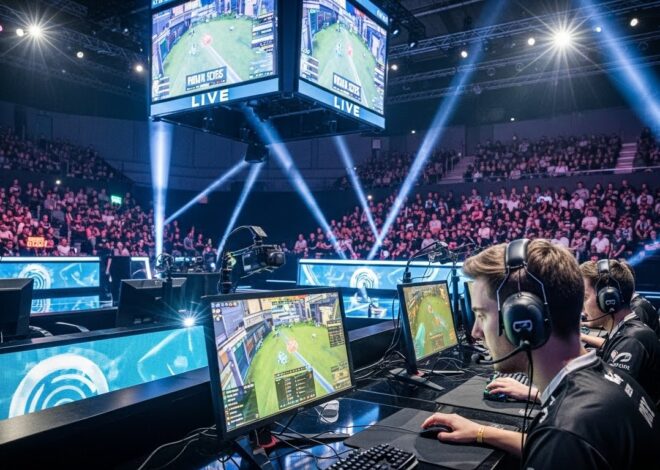
Streaming platforms like Twitch, YouTube Gaming, and Facebook Gaming have played a pivotal role in expanding eSports’ global reach. These platforms allow fans to watch live streams of their favorite players and teams, participate in live chats, and interact with the community. For many fans, following eSports has become a social experience—much like cheering for a sports team, but with the added dimension of virtual interaction.
The accessibility of eSports is also a key factor in its widespread appeal. Unlike traditional sports, which often require physical spaces, specialized equipment, and significant financial investment, eSports can be accessed by anyone with a computer and an internet connection. This accessibility has allowed eSports to flourish in countries and regions where traditional sports may not be as prominent, including parts of Asia, Eastern Europe, and Latin America.
The Future of eSports: Expanding the Horizon
As eSports continues to grow, its future looks incredibly promising. The increasing visibility of eSports, coupled with the ongoing development of new gaming titles and technologies, suggests that competitive gaming will only become more mainstream in the years to come. Here are a few key trends that could shape the future of eSports:
1. Increased Investment and Sponsorship
As more brands recognize the potential of eSports, we can expect to see even greater investment in the industry. Major corporations from a variety of sectors—ranging from tech to consumer goods—are sponsoring eSports events, teams, and players. This financial support will help fuel further growth and innovation, making eSports more professional and widely recognized.
2. Integration with Traditional Sports
eSports and traditional sports are beginning to merge in interesting ways. Several professional sports teams have already established their own eSports divisions, and the NBA 2K League and FIFA eWorld Cup are examples of how the two worlds are coming together. As traditional sports look for new ways to engage with younger audiences, eSports could provide a bridge, allowing fans to connect with both physical and digital forms of competition.
3. Virtual Reality (VR) and Augmented Reality (AR)
The integration of virtual reality (VR) and augmented reality (AR) into gaming could take eSports to new heights. VR gaming has already begun to make waves, allowing players to immerse themselves in virtual worlds, and eSports events featuring VR gameplay could soon become mainstream. With the development of AR technology, fans might also be able to experience live tournaments in new and interactive ways, transforming how they watch and engage with competitions.
4. Mainstream Media Coverage
As eSports continues to gain popularity, it is likely that we will see more eSports events covered by mainstream media outlets. Television networks, cable providers, and even social media platforms could offer live broadcasts of tournaments, further legitimizing competitive gaming as a major form of entertainment.