The Rise of Esports: Gaming’s Journey from Hobby to Global Spectacle
Esports, short for electronic sports, has evolved from a niche hobby into a global phenomenon, captivating millions of fans worldwide. Once dismissed as mere video game play, esports is now recognized as a legitimate competitive arena, drawing massive audiences, lucrative sponsorships, and professional athletes. In this blog, we will explore the evolution, impact, and future of esports, highlighting why it has become an integral part of modern entertainment.
The Origins of Competitive Gaming
The roots of esports trace back to the 1970s and 1980s, when arcade tournaments and early video game competitions started to emerge. Classic games like Space Invaders, Pac-Man, and later Street Fighter and StarCraft created communities of players who competed for pride, small prizes, and local recognition. However, it was the rise of the internet in the 1990s that truly transformed competitive gaming. Online multiplayer games allowed players to connect globally, making competitive play more accessible and organized. This period laid the foundation for what would become the esports industry.
Esports as a Professional Career
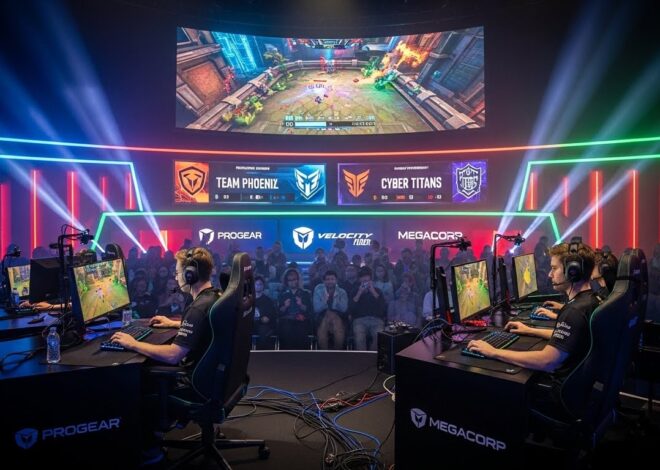
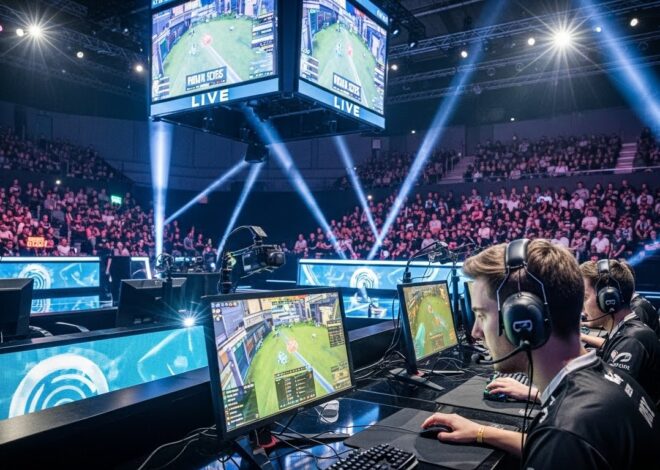
Today, esports has grown into a fully professionalized industry. Players are no longer hobbyists; they are athletes in their own right, dedicating countless hours to practice, strategy, and skill refinement. Professional esports organizations operate like traditional sports teams, complete with coaches, analysts, and training regimens. Top players earn salaries, endorsements, and prize money that rival some traditional athletes, while major tournaments fill arenas and draw millions of online viewers. The professionalization of esports has legitimized it as a career path for talented gamers worldwide.
Popular Esports Genres
Esports encompasses a variety of game genres, each attracting different audiences and skill sets. Multiplayer online battle arena (MOBA) games like League of Legends and Dota 2 dominate in strategy and teamwork-focused competitions. First-person shooters (FPS) such as Counter-Strike: Global Offensive and Call of Duty emphasize precision, reflexes, and tactical coordination. Fighting games, racing simulations, and sports-based video games like FIFA and NBA 2K also have dedicated competitive scenes. This diversity ensures that esports appeals to a broad spectrum of players and fans, creating a rich and varied ecosystem.
The Role of Tournaments and Leagues
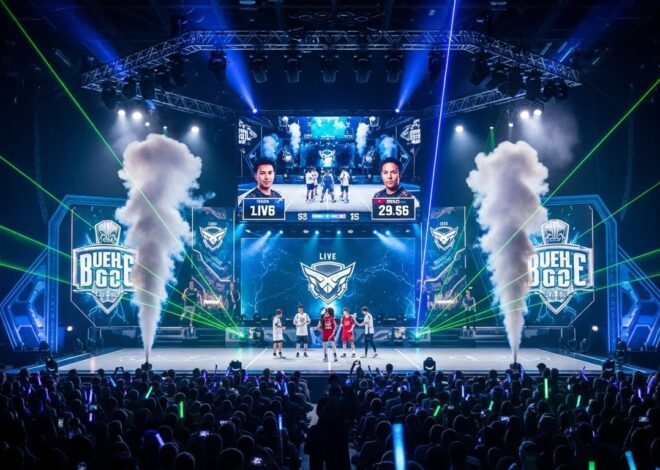
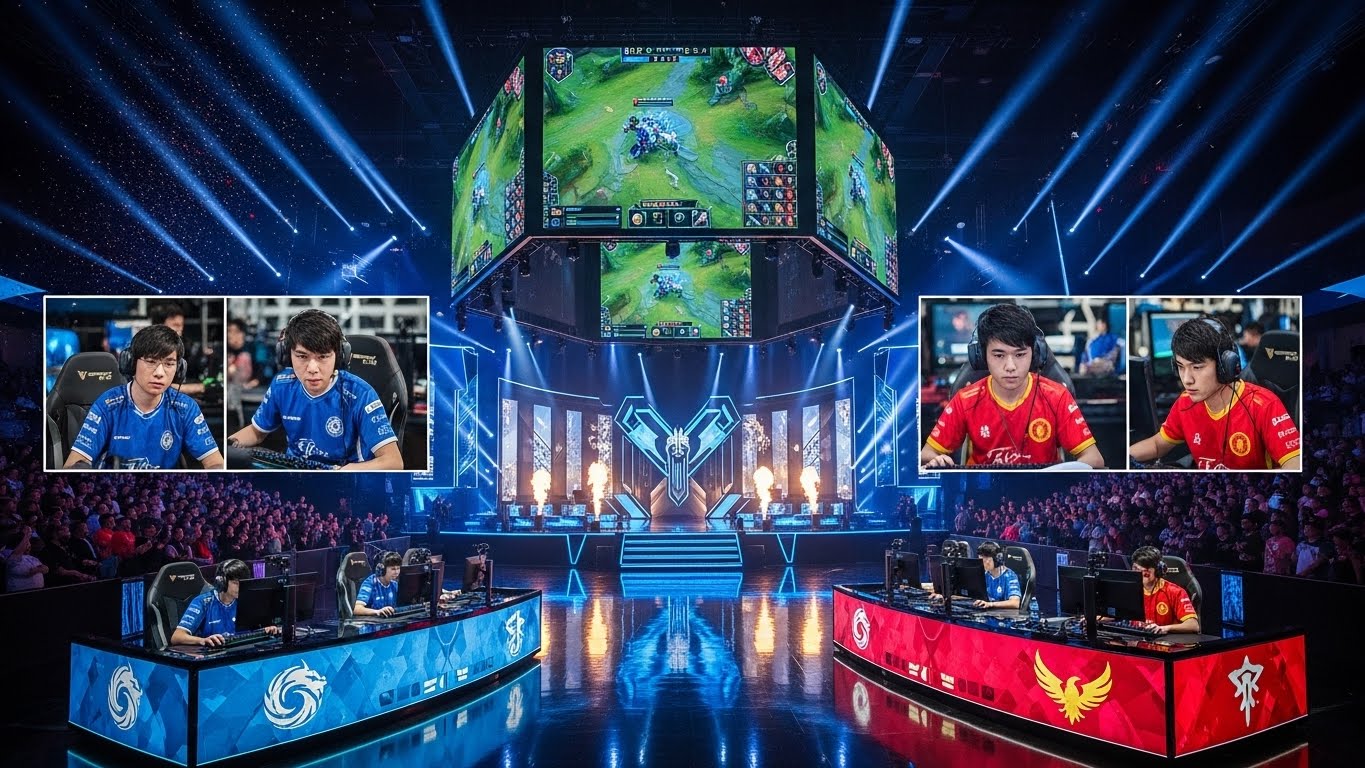
Tournaments and leagues are the lifeblood of esports, providing structured platforms for competition and fan engagement. Major tournaments like The International for Dota 2, the League of Legends World Championship, and the Fortnite World Cup offer multi-million-dollar prize pools and global recognition. Esports leagues, modeled after traditional sports, ensure consistent competition, team rivalries, and sustained viewer interest. These events also attract sponsorships, media rights deals, and merchandise sales, further solidifying esports as a commercial powerhouse.
The Influence of Streaming Platforms
Streaming platforms have been instrumental in the rise of esports, creating direct connections between players and fans. Platforms such as Twitch, YouTube Gaming, and Facebook Gaming allow live broadcasts of tournaments, casual gameplay, and behind-the-scenes content. This real-time access fosters community engagement, fan loyalty, and interactive experiences that traditional sports often struggle to provide. Streamers themselves have become celebrities, blurring the lines between player, entertainer, and influencer. The synergy between competitive play and streaming has amplified esports’ reach and cultural significance.
Economic Impact of Esports
Esports is not just entertainment; it is a thriving economic ecosystem. The industry generates billions of dollars annually through sponsorships, advertising, ticket sales, media rights, and merchandise. Brands from technology, energy drinks, apparel, and automotive industries actively invest in esports partnerships, recognizing its influence among younger demographics. Additionally, the rise of esports has spurred related industries, including game development, streaming services, event management, and esports education programs. The economic ripple effect of esports demonstrates its relevance beyond gaming culture.
Esports and Education
Esports has also begun to intersect with education, offering opportunities for students to pursue scholarships, degrees, and professional training. Many universities have established esports programs, complete with competitive teams, dedicated facilities, and academic courses on game design, marketing, and management. These programs emphasize teamwork, strategic thinking, and communication skills, highlighting the educational value of competitive gaming. By integrating esports into educational frameworks, institutions are recognizing its potential to foster real-world skills and career pathways.
Social and Cultural Impact
Esports has transformed social interactions and cultural trends. It has created global communities where players and fans can connect across borders, languages, and cultures. Gaming conventions, live events, and online forums foster a sense of belonging and shared passion. Moreover, esports has influenced pop culture, inspiring music, fashion, and media content. Its appeal spans multiple demographics, making it a cultural touchstone that shapes how young generations perceive entertainment, technology, and competition.
Challenges Facing Esports
Despite its rapid growth, esports faces several challenges. Player burnout is a significant concern due to the intense training schedules and high-pressure competition. Mental health and well-being are increasingly recognized as crucial factors for sustaining careers. Additionally, esports must address issues like cheating, match-fixing, and fairness in competition. Infrastructure disparities, such as access to high-speed internet and advanced gaming equipment, also create barriers for aspiring players in certain regions. Addressing these challenges is essential for the long-term sustainability and credibility of the industry.
The Future of Esports
The future of esports is both promising and dynamic. Advancements in virtual reality, augmented reality, and artificial intelligence could revolutionize gameplay and fan engagement. Cross-industry collaborations with mainstream sports, music, and entertainment are expanding esports’ visibility and legitimacy. Furthermore, emerging markets in Asia, South America, and the Middle East present new growth opportunities for players, teams, and brands. As technology and society evolve, esports is poised to become an even more integrated part of global culture, bridging the gap between gaming and mainstream entertainment.
Why Esports Matters
Esports matters because it reflects the evolution of entertainment, technology, and human interaction. It empowers individuals to pursue passions professionally, fosters global communities, and drives economic and cultural innovation. Beyond the games themselves, esports embodies creativity, strategic thinking, and resilience. It challenges traditional notions of sports, performance, and celebrity while offering a platform for diverse voices and talents. In essence, esports is more than competition; it is a movement that redefines how we play, connect, and celebrate achievement in the digital age.
Conclusion
The rise of esports is a testament to the transformative power of technology and human creativity. From humble beginnings in arcades to stadium-filling tournaments and global online communities, esports has carved a unique place in modern society. Its impact spans professional careers, economic development, cultural trends, and education. While challenges remain, the trajectory of esports points to continued growth, innovation, and influence. For players, fans, and observers alike, esports represents not just games, but a new era of competitive entertainment and global connection.