
The Rise of Esports: From Niche Hobby to Global Phenomenon
Esports, short for electronic sports, has transformed dramatically over the past two decades. Once considered a niche hobby limited to small gaming communities, it has now evolved into a global industry attracting millions of viewers, professional players, and corporate sponsorships. This transformation is not just about the games themselves but about the culture, technology, and business ecosystems that have grown around competitive gaming. In this blog post, we will explore the history, growth, cultural impact, and future of esports.
The Origins of Esports
Esports traces its roots back to the late 1970s and early 1980s when video games first became widely available in arcades and on home consoles. Early competitive gaming was often informal, taking place in arcades where players would compete for high scores. One of the earliest recorded esports events took place in 1972 at Stanford University with the game “Spacewar!” Although primitive by today’s standards, these competitions set the foundation for organized video game tournaments.
By the 1990s, the competitive gaming scene began to formalize. Games such as “Street Fighter II,” “Quake,” and “StarCraft” gained massive followings and began hosting structured tournaments. The advent of the internet played a crucial role during this period. Online connectivity allowed gamers from different regions to compete against each other, creating a sense of a global competitive community. StarCraft in South Korea became a cultural phenomenon, turning professional gaming into a respected career path and paving the way for esports as a legitimate industry.
The Growth of Esports as an Industry
In the early 2000s, esports started transitioning from a hobbyist activity to a viable industry. Game developers began investing heavily in competitive scenes to boost the popularity of their titles. Major tournaments emerged, offering prize pools that were previously unheard of, attracting players from around the world. Games such as “Counter-Strike,” “Warcraft III,” and “World of Warcraft” were central to this growth.
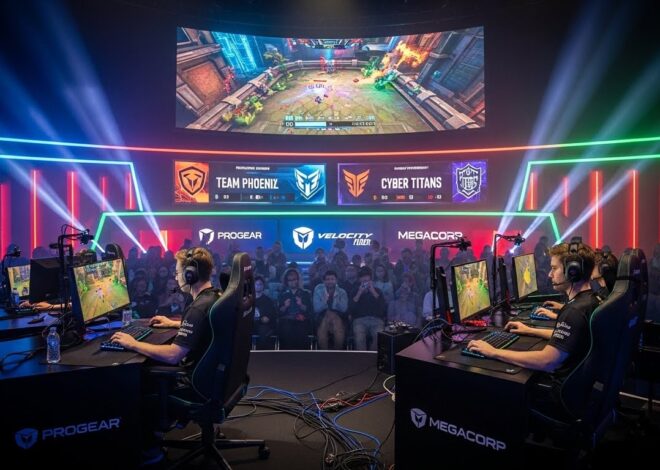
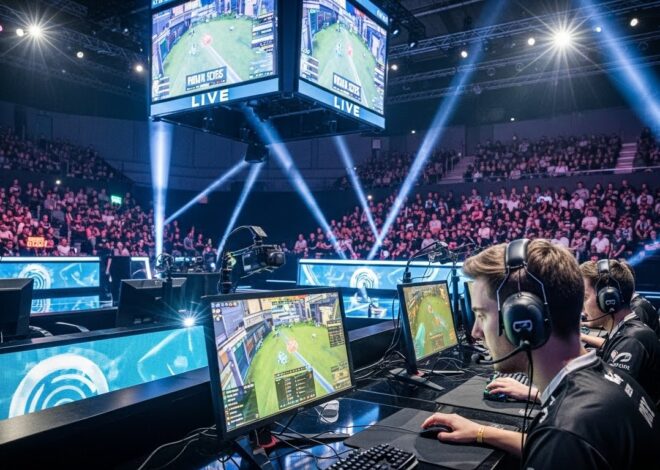
The rise of streaming platforms further accelerated the industry’s expansion. Services like Twitch allowed audiences to watch professional gamers in real time, turning esports into a spectator sport. This accessibility helped esports reach a wider audience and attracted sponsorships from brands eager to tap into the predominantly young, tech-savvy demographic of esports fans. By the 2010s, tournaments were being broadcast in arenas filled with thousands of fans, with millions more watching online.
Key Esports Titles and Their Impact
Several games have had an outsized impact on the growth and perception of esports.
League of Legends (LoL), developed by Riot Games, is one of the most influential titles in esports history. Its annual World Championship draws millions of viewers worldwide, rivaling traditional sports events in scale and spectacle. The structured professional leagues, such as the League of Legends Championship Series (LCS), have become a model for other esports organizations.
Counter-Strike: Global Offensive (CS:GO) has maintained a loyal fan base due to its strategic depth and team-based gameplay. The Counter-Strike series has been pivotal in promoting esports as a competitive and skill-based discipline, with numerous international tournaments offering substantial prize pools.
Dota 2, developed by Valve Corporation, set a benchmark with The International tournament, which has one of the largest prize pools in esports history. Its model of crowdfunding the prize pool through in-game purchases was revolutionary and demonstrated the financial viability of esports for both organizers and players.
Other notable games include “Overwatch,” “Fortnite,” “Call of Duty,” and “StarCraft II,” each bringing unique audiences and styles of competitive play. The diversity of esports titles ensures there is a game for nearly every type of player and viewer, from first-person shooters to strategy games to battle royale experiences.
The Role of Players and Teams
Professional players are at the heart of esports. Unlike traditional sports, where physical attributes often dominate success, esports emphasizes skills such as strategic thinking, reflexes, teamwork, and mental endurance. Players spend hours training, analyzing gameplay, and refining strategies to maintain competitive edges.
Esports teams function similarly to traditional sports franchises. Organizations like Cloud9, Fnatic, and Team Liquid manage multiple players, provide coaching staff, secure sponsorships, and participate in leagues across the world. The professionalization of teams has brought stability to the industry, allowing players to have careers and ensuring a level of professionalism in competitions.
Player personalities also contribute significantly to the popularity of esports. Just as football or basketball stars draw fans, esports athletes cultivate fan followings through gameplay, social media presence, and participation in content creation. This human element helps connect audiences to the competitive scene and fuels community engagement.
Economic Impact and Sponsorship
The economic impact of esports is immense and continues to grow rapidly. In 2024, the global esports market generated billions in revenue, with projections indicating continued growth. Revenue streams in esports are diverse, including advertising, sponsorships, merchandise, media rights, and tournament ticket sales.
Sponsorship plays a particularly important role. Brands ranging from energy drinks and gaming hardware companies to mainstream corporations like banks and car manufacturers sponsor tournaments, players, and teams. These partnerships are mutually beneficial: companies gain access to a highly engaged audience, while esports organizations receive funding to operate and expand.
Streaming platforms also contribute significantly to the economic ecosystem. Revenue from subscriptions, donations, and advertisements allows content creators and professional players to earn livelihoods outside of tournament winnings, making the industry more sustainable.
Cultural Influence of Esports
Esports has had a profound cultural impact. It has helped redefine the perception of gaming, shifting it from a pastime to a legitimate competitive pursuit. In countries like South Korea, esports is deeply ingrained in popular culture, with professional players achieving celebrity status. Universities in several countries now offer esports scholarships, further legitimizing competitive gaming as a career path.
The community aspect of esports is equally important. Online forums, social media groups, and fan events foster social connections among gamers. Streaming platforms allow fans to interact with players and each other, creating a sense of belonging and shared experience. Esports also promotes inclusivity in many ways, with global accessibility allowing people from diverse backgrounds to participate and compete.
Challenges Facing Esports
Despite its rapid growth, esports faces several challenges. One of the biggest issues is player burnout. The intense practice schedules, travel, and high-pressure tournaments can take a toll on mental and physical health. Many professional players retire in their early twenties, highlighting the need for better support systems and career planning within the industry.
Another challenge is regulation. Esports is still a relatively young industry, and governance varies widely between games and regions. Issues such as cheating, match-fixing, and contractual disputes require standardized regulations to ensure fairness and sustainability.
Monetization and revenue distribution also pose challenges. While top-tier players and teams earn substantial incomes, many participants in the esports ecosystem struggle to sustain themselves financially. Balancing the commercial interests of organizers with fair compensation for players is critical for long-term growth.
The Future of Esports
The future of esports looks promising, driven by technological innovation, expanding audiences, and increasing mainstream recognition. Virtual reality (VR) and augmented reality (AR) may redefine competitive gaming experiences, offering immersive gameplay and spectator options. Artificial intelligence (AI) and data analytics are already shaping training and strategy development, giving players and coaches deeper insights into performance.
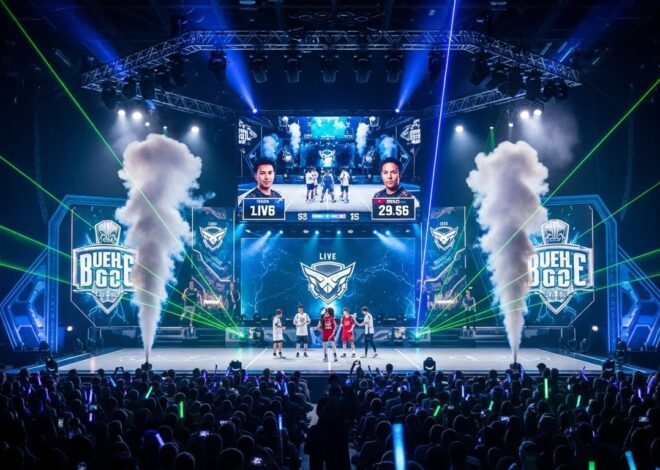
Esports is also likely to see further integration with traditional sports. Collaborations between sports leagues and esports organizations are becoming common, and hybrid events that combine physical and digital competition are emerging. This convergence could expand audiences and attract new forms of sponsorship.
Education and career opportunities in esports will continue to grow. Universities and vocational programs are beginning to offer courses in esports management, game design, broadcasting, and content creation. This institutional support will help professionalize the industry and provide stable career paths beyond competitive play.
Conclusion
Esports has come a long way from its humble origins in arcades and college competitions. It has grown into a global industry with professional players, major tournaments, and a passionate fan base. The rise of streaming, sponsorship, and media coverage has elevated esports to a level comparable to traditional sports.
While challenges remain, the cultural, economic, and technological momentum behind esports ensures that it will continue to evolve. For players, fans, and investors, esports offers unprecedented opportunities, bridging the gap between entertainment, competition, and community. The journey of esports is far from over, and its future promises even more innovation, engagement, and global impact.
Esports is not just a game; it is a movement. It represents the power of digital connectivity, skill, and creativity in a way that few other industries can. As technology advances and the world becomes increasingly interconnected, esports will likely continue to shape the way we play, watch, and understand competition in the modern era.