The Rise of Esports: From Basement Battles to Global Arenas
Introduction
There was a time when video games were seen as a casual pastime—a way for friends to relax after school or blow off steam after work. Fast forward to the present, and that same hobby has evolved into a billion-dollar industry known as Esports. Competitive gaming now fills arenas, attracts millions of viewers online, and creates professional careers for players, coaches, broadcasters, and analysts alike.
The journey of Esports from its humble beginnings to becoming one of the most influential forces in modern entertainment is fascinating. It’s not just about games anymore—it’s about culture, technology, and global community. This post explores how Esports developed, what makes it thrive, and where it’s heading next.
Early Days: The Seeds of Competitive Gaming
The idea of competitive gaming didn’t begin with flashy graphics or streaming platforms. In fact, the roots of Esports go back to the 1970s, when the first video game tournaments were held in university labs and arcades.
One of the earliest known competitions took place at Stanford University in 1972, where students competed in a game called Spacewar!. The prize? A year’s subscription to Rolling Stone magazine. It might sound modest by today’s standards, but that event set the foundation for something much bigger.
By the 1980s, the rise of arcade culture brought gaming competitions into the mainstream. Titles like Pac-Man, Donkey Kong, and Space Invaders inspired players to chase high scores. These weren’t team-based showdowns yet, but they planted the competitive spirit that Esports would later build upon.
The Space Invaders Championship held by Atari in 1980 drew over 10,000 participants across the United States. That was an early glimpse of the mass appeal gaming could command.
The Internet Era: Multiplayer Takes Center Stage
In the 1990s, the expansion of home computers and the internet changed everything. Multiplayer games became more accessible, and LAN (Local Area Network) parties started popping up in basements and dorm rooms around the world. Players could finally battle each other directly instead of competing for high scores.
Games like Doom, Quake, and StarCraft defined early Esports culture. These titles were not only about skill but also about strategy, communication, and quick reflexes. Online play allowed people to compete beyond their local circles, connecting players from different continents in real-time battles.
It was during this era that professional tournaments began to form. The Cyberathlete Professional League (CPL), founded in 1997, was one of the first organizations to formalize competitive gaming. Soon after, South Korea embraced Esports on a national level, with StarCraft becoming a cultural phenomenon broadcasted on TV channels.
South Korea: The Birthplace of Modern Esports
If there’s one country that deserves credit for turning gaming into a legitimate sport, it’s South Korea. After the Asian financial crisis in the late 1990s, the country heavily invested in broadband infrastructure, making high-speed internet accessible to nearly everyone. This environment gave rise to internet cafés known as PC bangs, where young players gathered to compete.
The Korean Esports Association (KeSPA), established in 2000, played a pivotal role in organizing professional leagues and legitimizing gaming as a career. Players like Lim Yo-Hwan, known as BoxeR, became national celebrities.
Televised matches, corporate sponsorships, and structured teams made Esports in Korea resemble traditional sports in every sense. It was no longer an underground movement—it was entertainment for the masses.
The 2000s: Building a Global Esports Infrastructure
The early 2000s marked the beginning of global Esports expansion. Western audiences began to catch up with Asia’s competitive gaming scene. Titles like Counter-Strike, Warcraft III, and Halo became tournament staples, while World Cyber Games (WCG) and Electronic Sports World Cup (ESWC) hosted international events that united players from around the world.
At this time, Esports was still niche compared to traditional sports, but it had one crucial advantage—the internet. Online communities grew rapidly through forums and early social platforms, spreading awareness and passion for competitive gaming.
Streaming platforms like Twitch, launched in 2011, completely revolutionized how Esports reached its audience. Suddenly, fans could watch live tournaments, follow their favorite players, and even interact through chat—all in real time. Accessibility became the cornerstone of Esports’ growth.
The Esports Explosion: 2010s and Beyond
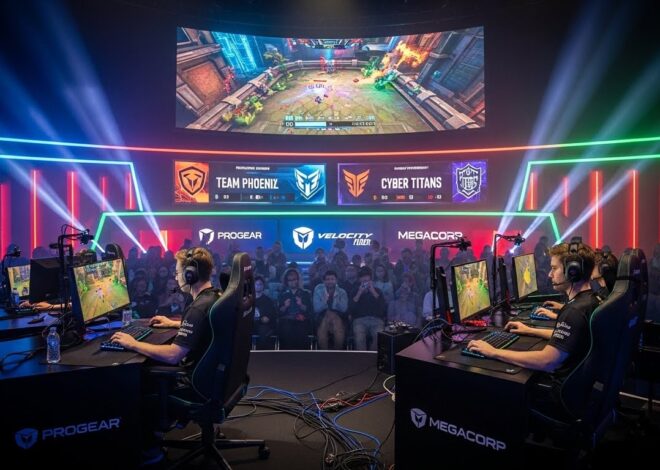
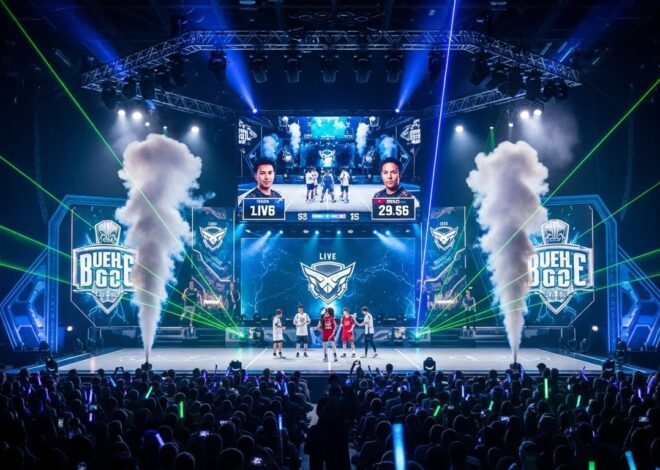
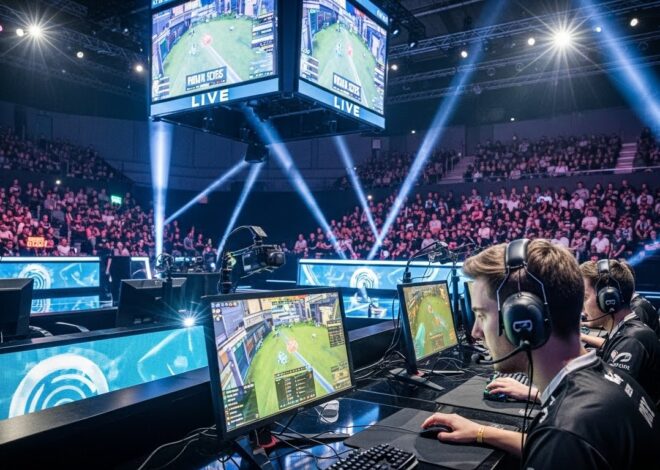
By the 2010s, Esports had fully arrived as a mainstream phenomenon. Prize pools grew from thousands to millions of dollars, with global tournaments filling entire arenas.
Games like League of Legends, Dota 2, and Counter-Strike: Global Offensive (CS:GO) became the cornerstones of competitive gaming. Each developed its own leagues, teams, and star players. The Dota 2 International broke records year after year, offering tens of millions in prize money crowdfunded by the gaming community itself.
The League of Legends World Championship became one of the most-watched Esports events in the world, drawing audiences rivaling traditional sports finals. Meanwhile, Fortnite brought younger audiences into the fold, merging gaming, music, and pop culture.
This era also marked the professionalization of Esports organizations. Teams like Fnatic, Team Liquid, T1, and Cloud9 evolved into multi-million-dollar companies with training facilities, coaches, nutritionists, and analysts—just like conventional sports teams.
The Economics of Esports
The business side of Esports is as fascinating as the gameplay itself. What started as hobbyist competitions transformed into a full-fledged industry with multiple revenue streams.
Sponsorships and Advertising
Major brands quickly recognized the marketing potential of Esports. From tech companies to beverage giants, brands invested heavily in sponsoring teams, tournaments, and streamers. The demographic appeal—young, digital-savvy consumers—was too valuable to ignore.
Media Rights and Streaming
Esports broadcasts generate massive viewership. Platforms like YouTube Gaming and Twitch compete for exclusive streaming rights, while traditional broadcasters also joined the scene. This shift blurred the line between entertainment media and sports coverage.
Merchandise and Team Branding
Like football or basketball, Esports teams built strong identities. Fans purchase jerseys, accessories, and even digital items tied to their favorite teams. These products further strengthen the connection between players and audiences.
Prize Pools and Player Salaries
Top-tier players earn salaries comparable to professional athletes. Tournament winnings, sponsorships, and streaming income allow Esports professionals to sustain lucrative careers. While the gap between elite and amateur levels remains wide, the structure is far more developed than a decade ago.
The Esports Community and Culture
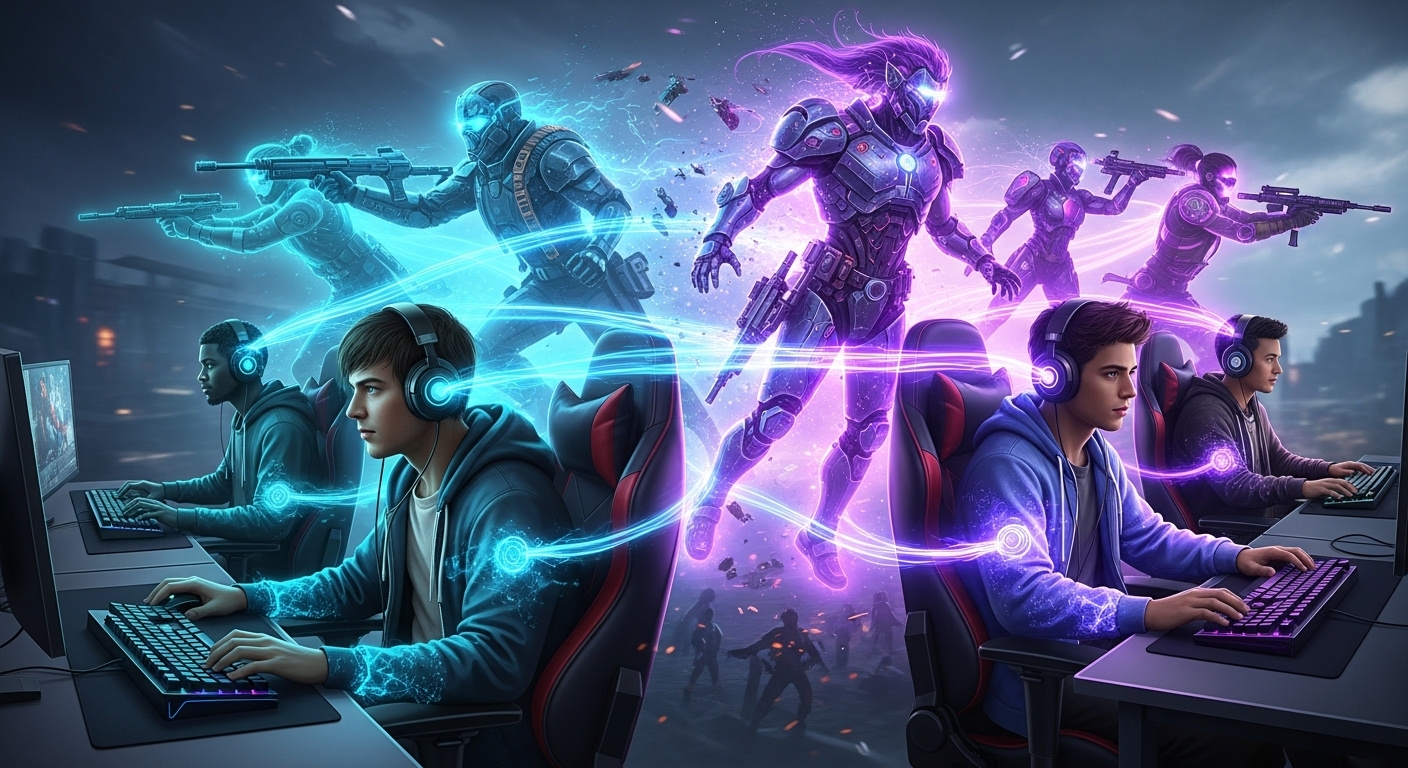
One of Esports’ greatest strengths lies in its community. Unlike traditional sports that are bound by geography, Esports fans are connected globally. Players in Brazil can team up with teammates in Germany, and fans in the Philippines can watch live matches from Los Angeles.
Online platforms have made Esports inclusive and interactive. Viewers don’t just watch—they participate. Chat discussions, fan art, strategy breakdowns, and memes create a shared language across cultures.
Moreover, Esports has given rise to new professions. Casters (the equivalent of commentators), analysts, social media managers, and event organizers all play key roles in the ecosystem. It’s not just about playing games; it’s about storytelling, performance, and connection.
The Role of Technology
Without constant innovation in technology, Esports could never have achieved its current scale. Faster internet speeds, powerful gaming PCs, and optimized streaming software all contribute to the seamless experience fans expect today.
Virtual reality (VR), augmented reality (AR), and cloud gaming are opening new frontiers. Imagine watching a tournament through a VR headset as if you’re sitting courtside, or participating in AR events projected into real-world spaces. These technologies are redefining how Esports will be experienced in the coming years.
Artificial Intelligence is also becoming part of the scene. AI tools help analyze player performance, optimize team strategies, and even moderate live chatrooms to improve community interaction.
Esports as a Career Path
Once considered unrealistic, pursuing Esports as a career is now a viable choice for many. Universities offer scholarships for Esports athletes, and high schools establish competitive teams.
The career opportunities extend beyond playing professionally. Game development, event management, broadcasting, and coaching are all legitimate paths. Esports has opened doors for people passionate about gaming but skilled in business, design, or communication.
Still, the career isn’t without challenges. Players face intense competition, physical strain from long practice hours, and mental health pressures. The industry is evolving to address these issues with better support systems and awareness.
Esports and Education
Esports has also found its way into education. Schools use gaming to teach teamwork, critical thinking, and digital literacy. Competitive programs encourage students to develop leadership skills and discipline.
Some universities have even built Esports arenas on campus, integrating gaming with academic life. Courses in Esports management and production prepare students for future roles in the growing industry.
It’s not just about playing—it’s about understanding how to operate in the digital economy.
The Social Impact of Esports
Beyond entertainment, Esports has a meaningful social impact. It fosters inclusion, diversity, and cross-cultural collaboration. People who may have never met otherwise come together through shared passion.
Esports has also provided opportunities for individuals with disabilities to compete on equal terms, thanks to adaptive technologies. Online competition levels the playing field, focusing purely on skill and strategy.
In times of global uncertainty, such as during the pandemic, Esports kept people connected when physical events were canceled. The ability to compete, watch, and interact online became a source of comfort and continuity for millions.
Esports vs Traditional Sports: A New Rivalry
It’s inevitable to compare Esports with traditional sports. Both involve skill, competition, teamwork, and fan engagement. The main difference lies in the medium—Esports exists in virtual arenas rather than physical ones.
Traditional sports organizations have started to embrace this shift. Many professional sports teams now own or sponsor Esports divisions. The NBA, for example, launched the NBA 2K League, blending basketball culture with digital gaming.
This crossover shows that the two worlds can coexist. Esports isn’t replacing traditional sports—it’s expanding the definition of what sports can be.
Challenges Facing the Esports Industry
Despite its success, Esports faces several challenges. One major issue is sustainability. Rapid growth brings instability, and not every organization can manage long-term profitability.
Other challenges include:
- Player burnout: Training schedules can be intense, leading to health issues.
- Regulation: Esports lacks a universal governing body, making rules inconsistent across regions.
- Diversity: While improving, representation among players, teams, and leadership roles still needs work.
- Cheating and integrity: As with any competitive field, Esports deals with cheating scandals and match-fixing, which can damage credibility.
Addressing these challenges is crucial for the industry’s long-term stability.
The Future of Esports
The future of Esports looks bright. Analysts predict continued growth in audience numbers, revenue, and mainstream recognition. As technology advances, the line between games, entertainment, and social interaction will blur even further.
We’re likely to see:
- Greater integration with education systems
- More government recognition and support
- Enhanced player welfare programs
- Expansion into mobile and cloud-based gaming
- Global tournaments rivaling the Olympics in scale
Esports will also play a larger role in shaping digital culture, influencing how people connect, learn, and entertain themselves.
Conclusion
Esports has come a long way from small university competitions and dimly lit arcades. It has grown into a vibrant, complex ecosystem that connects millions of people across the world.
What makes Esports special isn’t just the competition—it’s the shared sense of excitement, community, and innovation. It’s proof that passion, when combined with technology and creativity, can redefine what it means to be an athlete, a fan, or a storyteller.
In many ways, Esports represents the spirit of the digital age: borderless, dynamic, and inclusive. As the industry continues to evolve, one thing remains certain—the game has only just begun.