The Rise of Esports: A New Era in Competitive Gaming
Introduction
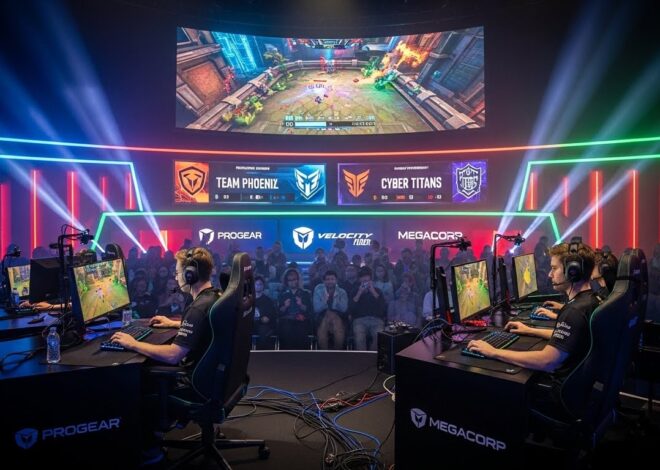
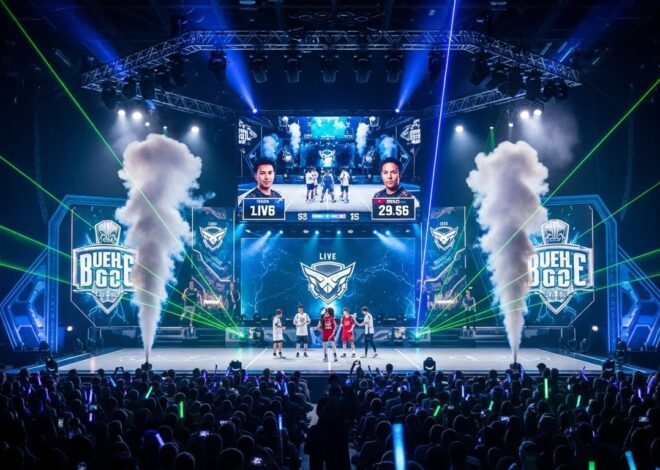
In the last two decades, esports has grown from small gatherings in dimly lit arcades to massive international tournaments filling entire stadiums. What was once seen as a casual pastime is now a billion-dollar global industry. Players are treated like professional athletes, fans travel across continents to watch their favorite teams, and the excitement around each competition rivals that of traditional sports. Esports is no longer the future — it’s the present, shaping how people view entertainment, competition, and community.
This blog dives deep into the world of esports: how it began, how it evolved, and what makes it one of the most fascinating cultural phenomena of modern times.
The Origins of Esports
The concept of competitive gaming started long before the word “esports” existed. The first known video game competition dates back to 1972 at Stanford University, where students played Spacewar! for a year’s subscription to Rolling Stone magazine. During the 1980s, the popularity of arcade games like Pac-Man, Donkey Kong, and Space Invaders sparked a new wave of competitive spirit. Players would chase high scores, and gaming magazines published leaderboards featuring the best players across the country.
However, it wasn’t until the 1990s that competitive gaming began taking a recognizable shape. With the introduction of multiplayer PC games like Doom and Quake, players could compete directly rather than comparing scores. Internet cafes and local area network (LAN) parties became hotspots for early gaming tournaments. The birth of fighting game tournaments, such as those around Street Fighter and Tekken, also contributed to a growing competitive culture.
The Evolution into Modern Esports
As the internet became faster and more accessible in the 2000s, gaming transformed from local competitions to online global battles. Games like Counter-Strike, StarCraft, and Warcraft III gave rise to structured tournaments and professional players. South Korea, in particular, became the epicenter of this movement. The country’s strong internet infrastructure and cultural acceptance of gaming helped esports flourish faster than anywhere else.
Television networks in Korea began broadcasting matches, and professional gaming teams started forming. Players gained sponsorships, salaries, and fanbases similar to footballers or cricketers. By the mid-2000s, esports had become an organized ecosystem, with teams, coaches, analysts, and professional commentators.
The Western world soon followed. With the launch of platforms like Twitch, YouTube Gaming, and later, Facebook Gaming, the accessibility of live-streaming esports made it possible for anyone with an internet connection to watch or even participate. Tournaments such as The International (for Dota 2) and League of Legends World Championship began offering multi-million-dollar prize pools, pushing esports into mainstream consciousness.
The Key Genres That Define Esports
Esports isn’t confined to one type of game. It encompasses a variety of genres, each with its own set of fans and styles of competition.
1. MOBA (Multiplayer Online Battle Arena):
Games like League of Legends and Dota 2 dominate the esports landscape. They combine strategy, teamwork, and fast reflexes, making them highly entertaining for both players and spectators. The complexity of these games means that each match can unfold in countless ways, keeping the excitement alive.
2. FPS (First-Person Shooter):
Titles like Counter-Strike 2, Valorant, and Call of Duty define this category. FPS games rely heavily on accuracy, map awareness, and communication. The thrill of quick decision-making and clutch moments has made this genre one of the most popular in esports.
3. Battle Royale:
Games like Fortnite, Apex Legends, and PUBG took the world by storm, offering a last-man-standing format that blends survival with shooting mechanics. Their unpredictable outcomes make for thrilling competitions.
4. Sports Simulation:
Esports isn’t limited to fantasy or combat. Games like FIFA, NBA 2K, and Rocket League mimic real sports, attracting both gamers and traditional sports fans.
5. Fighting Games:
Titles like Street Fighter, Mortal Kombat, and Super Smash Bros. continue to be staples in the esports scene. They emphasize precision, timing, and psychological warfare, creating electric one-on-one battles.
Each genre appeals to different audiences, and that diversity is what makes esports so unique.
The Culture Behind Esports
What sets esports apart from traditional sports isn’t just the digital medium—it’s the culture. Esports fans are often more interactive, using platforms like Discord, Reddit, and Twitch chat to engage directly with players and other fans. The relationship between pro gamers and their communities is personal. Fans can watch their favorite player stream live, comment in real time, and even play alongside them.
Cosplay, fan art, memes, and digital celebrations have become integral parts of the esports world. The gaming community thrives on creativity and inclusivity. While there’s still progress to be made regarding representation and diversity, esports continues to expand its reach across demographics, cultures, and continents.
The Professionalization of Esports
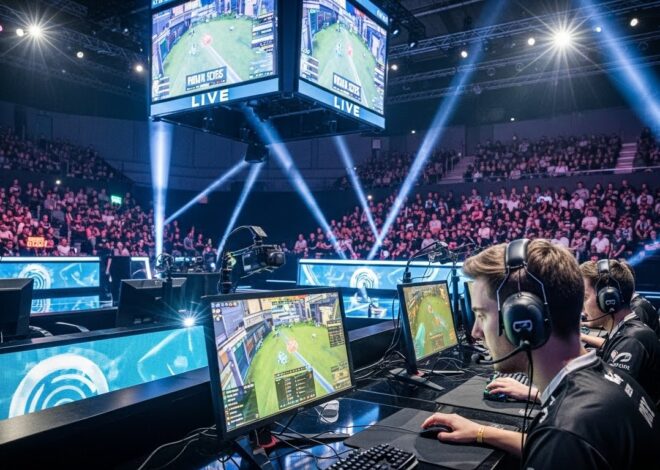
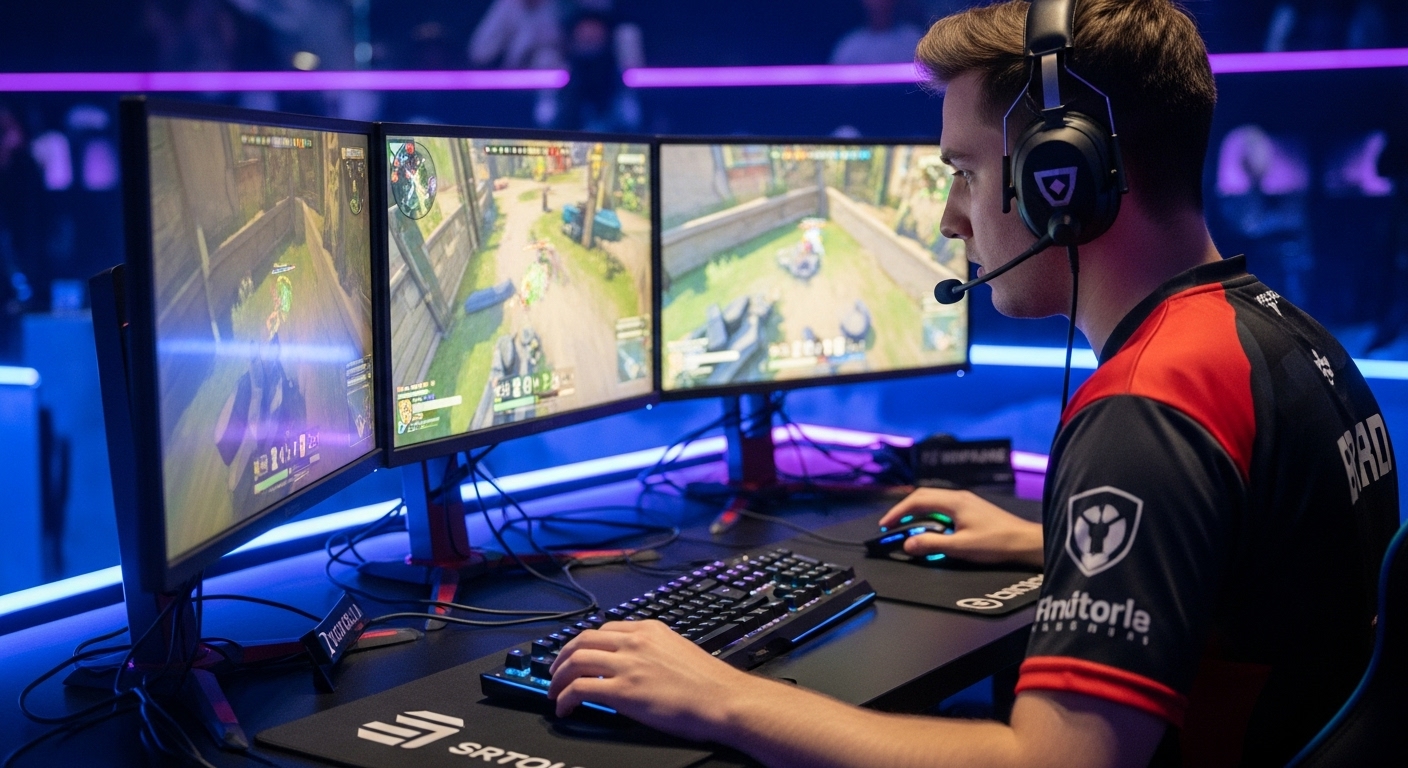
In the early days, professional gaming was viewed as a hobby. Now, it’s a career path. Many players train eight to twelve hours a day, work under strict schedules, and follow health and diet regimens. Teams hire psychologists, physical trainers, and nutritionists to ensure peak performance.
Organizations like Team Liquid, Fnatic, and T1 operate like major sports franchises. They manage multiple teams across various games, handle sponsorships, and maintain fan engagement through social media. Major esports leagues, such as the Overwatch League and Call of Duty League, even have franchised systems similar to the NBA or Premier League.
Players sign contracts, transfer between teams, and earn millions through tournament winnings, brand deals, and streaming revenue. It’s no longer a fringe activity—it’s a structured, financially stable industry.
Esports and Technology
The growth of esports wouldn’t be possible without advancements in technology. High-speed internet, powerful gaming PCs, and advanced streaming platforms have created a seamless experience for both players and audiences. Virtual reality (VR) and augmented reality (AR) are also starting to make an impact, introducing new ways to play and watch competitive games.
Cloud gaming, artificial intelligence, and improved graphics engines have made esports more accessible and visually stunning. Fans can experience near-real-time gameplay with minimal lag, and organizers can host global tournaments where players from different continents compete as if they were in the same arena.
The Impact of Streaming
Streaming is the lifeblood of esports. Platforms like Twitch, YouTube, and Kick have changed how people consume gaming content. Viewers don’t just watch matches—they participate in them through chat, donations, and community discussions.
Streamers, many of whom are professional players, have built massive audiences. This has blurred the line between entertainment and competition. A streamer can pull in millions of views, rivaling traditional TV ratings. Sponsors and brands have quickly recognized this value, investing heavily in influencer marketing and esports partnerships.
The Global Reach of Esports
Esports has achieved what few industries have—true global connectivity. From North America to Europe, Asia to the Middle East, and Africa to South America, gaming unites people across language barriers and time zones.
South Korea and China lead the industry in infrastructure and talent development. North America focuses heavily on production quality and marketing, while Europe has produced some of the best all-around teams across multiple titles. Meanwhile, emerging regions like the Middle East and South Asia are witnessing explosive growth thanks to mobile esports titles like PUBG Mobile and Free Fire.
This global appeal has made esports a universal language of competition. Whether it’s a teenager in Pakistan or a professional player in Sweden, the thrill of the game remains the same.
The Role of Sponsors and Brands
One of the key driving forces behind esports’ rise is corporate investment. Major brands like Coca-Cola, Intel, Red Bull, and BMW have entered the space, sponsoring teams and events. Even traditional sports organizations like FC Barcelona and Paris Saint-Germain have launched their own esports divisions.
For these companies, esports offers access to a younger, tech-savvy audience that traditional advertising struggles to reach. For players and teams, sponsorships provide financial stability and legitimacy. This symbiotic relationship has fueled rapid industry growth.
Education and Esports
Surprisingly to some, esports has made its way into educational institutions. Many universities now offer esports scholarships, degrees in game design, and even dedicated arenas for students. Esports teaches valuable skills such as teamwork, communication, strategy, and leadership.
Students involved in esports programs often pursue careers not only as players but also as coaches, analysts, broadcasters, or event organizers. It’s a growing academic field that bridges technology and creativity, preparing young people for a range of digital careers.
Challenges Facing Esports
Despite its success, esports faces challenges. One major concern is player burnout. The intense schedule and mental stress can lead to short careers. Many players retire in their early twenties.
There are also issues with regulation and governance. Unlike traditional sports with established global bodies, esports operates across multiple organizations, each with different rules. Cheating, match-fixing, and doping scandals have occasionally surfaced, raising questions about integrity.
Additionally, while the audience continues to expand, maintaining consistent revenue models outside of sponsorships remains a challenge. Esports organizations are exploring new ways to monetize content, such as pay-per-view events, exclusive memberships, and digital merchandise.
Esports and Traditional Sports: A Changing Relationship
Once considered rivals, esports and traditional sports are now finding ways to collaborate. Many athletes have invested in esports teams, and sports leagues have launched gaming counterparts. For example, virtual versions of football and basketball tournaments attract professional athletes and fans alike.
The pandemic also accelerated the crossover. With stadiums closed, many sports organizations turned to esports to engage fans. Racing drivers competed in virtual Grand Prix events, and footballers played in online tournaments. This merging of physical and digital sports showed the potential for hybrid entertainment.
The Future of Esports
Looking ahead, esports is set to grow even further. Analysts predict that viewership will soon rival or surpass that of major sports leagues. Emerging technologies like 5G and virtual production will enhance the spectator experience, making esports more immersive than ever.
Mobile esports, in particular, is expected to dominate in regions with high smartphone penetration. Games like Mobile Legends, PUBG Mobile, and Arena of Valor are drawing massive audiences in Asia and Africa.
Esports could also play a major role in the metaverse, blending virtual worlds with real-life social interaction. The idea of fans attending digital stadiums or owning virtual team merchandise as NFTs could redefine fandom itself.
Conclusion
Esports is more than just gaming — it’s culture, competition, and connection rolled into one. What began as a niche hobby has evolved into a global spectacle, redefining how people perceive sports and entertainment. It’s about skill, teamwork, strategy, and passion.
Whether you’re a casual gamer or a die-hard fan, there’s no denying the power of esports in shaping modern culture. The arenas may be digital, but the excitement, rivalry, and sense of community are as real as any traditional sport.
As technology advances and new generations embrace gaming, the rise of esports is far from over. In fact, it’s only getting started — and the next decade could very well belong to the gamers.