The Rise and Revolution of Esports: A New Era of Competitive Gaming
Introduction: The Birth of a Digital Arena
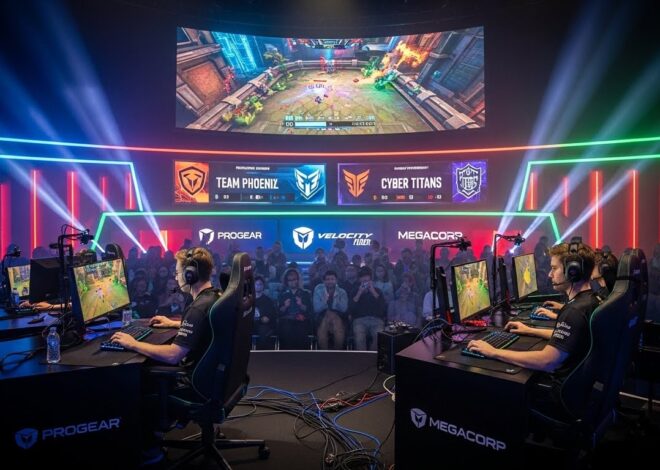
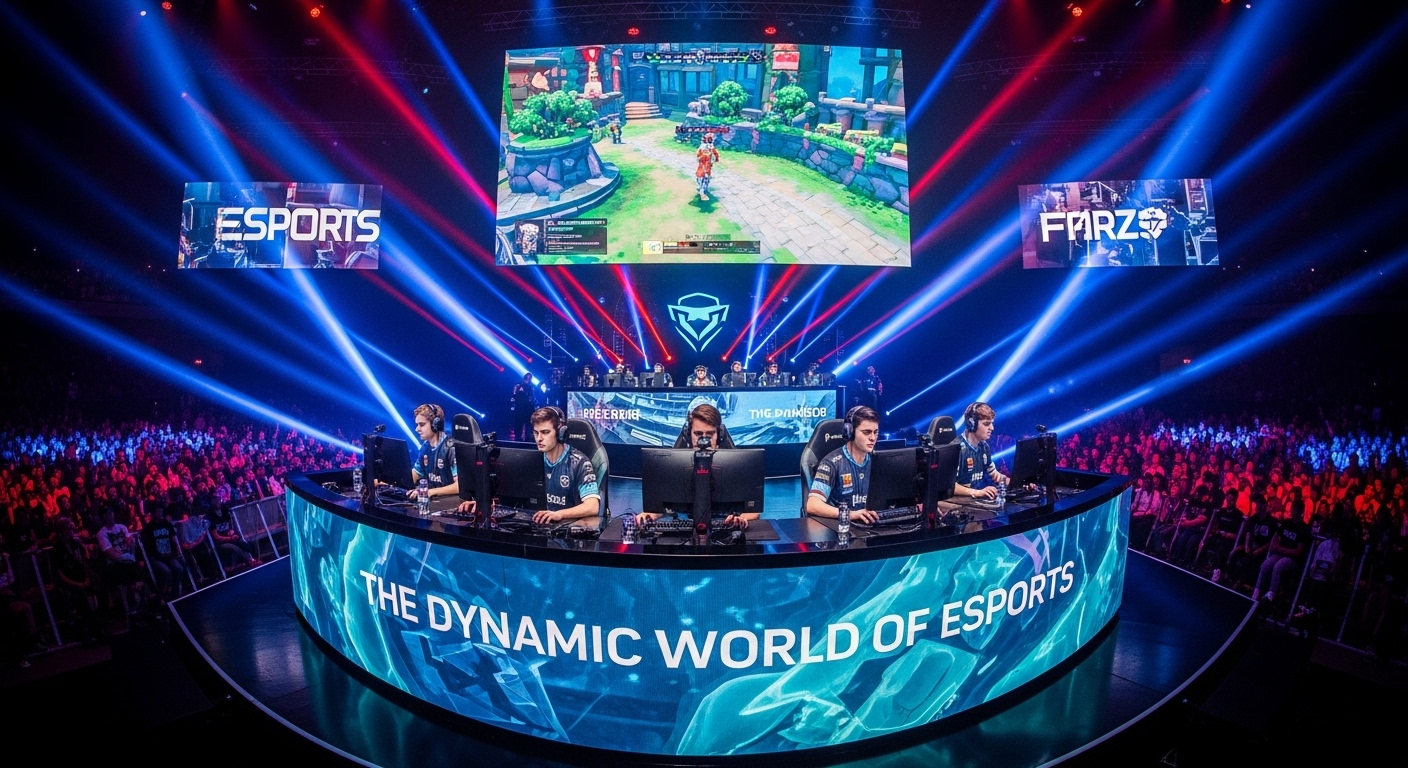
In the past few decades, the world has witnessed an extraordinary transformation in the way people perceive and engage with games. What was once considered a casual pastime has evolved into a global phenomenon known as Esports, short for electronic sports. Esports refers to organized, competitive video gaming where professional players, often grouped in teams, compete against each other in various game titles for prestige, sponsorships, and massive prize pools.
Unlike traditional sports that depend on physical prowess, Esports rely on mental agility, strategy, teamwork, and reaction speed. From humble beginnings in arcades and local LAN tournaments, Esports has become a billion-dollar industry with millions of fans watching online and in massive stadiums worldwide. It has turned gaming into not only a form of entertainment but also a viable career path for players, commentators, analysts, and content creators.
Early Days of Competitive Gaming
The story of Esports begins in the 1970s when video games first became widely accessible. One of the earliest known gaming competitions took place in 1972 at Stanford University, where students competed in the game Spacewar! for a prize of a year’s subscription to Rolling Stone magazine. Though modest by today’s standards, this event marked the first step toward organized video game competition.
In the 1980s, video game arcades were at the heart of gaming culture. Games like Pac-Man, Donkey Kong, and Space Invaders drew large crowds, leading to high-score competitions across the world. The 1980 Space Invaders Championship, organized by Atari, attracted over 10,000 participants, showing the growing appetite for competitive play.
As technology advanced, the rise of personal computers and gaming consoles in the 1990s opened new possibilities. LAN (Local Area Network) parties became popular, allowing friends and enthusiasts to connect their computers and compete in multiplayer games like Quake, Doom, and StarCraft. The late 1990s also saw the birth of online multiplayer gaming, a shift that would forever change the landscape of competition.
The 2000s: The Foundation of Modern Esports
The early 2000s marked the true foundation of what we now recognize as Esports. The introduction of broadband internet allowed gamers to compete from anywhere in the world. Titles like Counter-Strike, Warcraft III, and StarCraft: Brood War became household names in the competitive scene.
South Korea emerged as the epicenter of Esports during this period. The government and broadcasting networks recognized the potential of competitive gaming and began airing matches on dedicated television channels. StarCraft, in particular, became a cultural phenomenon, with players like Lim “BoxeR” Yo-hwan reaching celebrity status. The Korean Esports Association (KeSPA) was established to regulate and promote professional gaming, turning it into a legitimate career.
In the West, the Cyberathlete Professional League (CPL) and Major League Gaming (MLG) began organizing large-scale tournaments that attracted international attention. Gaming clans and teams were formed, sponsorships began to flow, and gaming slowly transitioned from a hobby to a professional pursuit.
This decade laid the groundwork for the infrastructure of today’s Esports industry — including team organizations, professional leagues, and global tournaments.
The 2010s: Esports Goes Mainstream
The 2010s were the decade when Esports exploded into the mainstream. Streaming platforms such as Twitch and YouTube Gaming revolutionized how audiences consumed gaming content. For the first time, fans could watch their favorite players live, interact with them in chat, and feel part of the gaming community.
This era also saw the rise of some of the most popular Esports titles that still dominate today — League of Legends, Dota 2, Counter-Strike: Global Offensive, Overwatch, and Fortnite. Each of these games developed its own ecosystem of professional leagues, global tournaments, and dedicated fanbases.
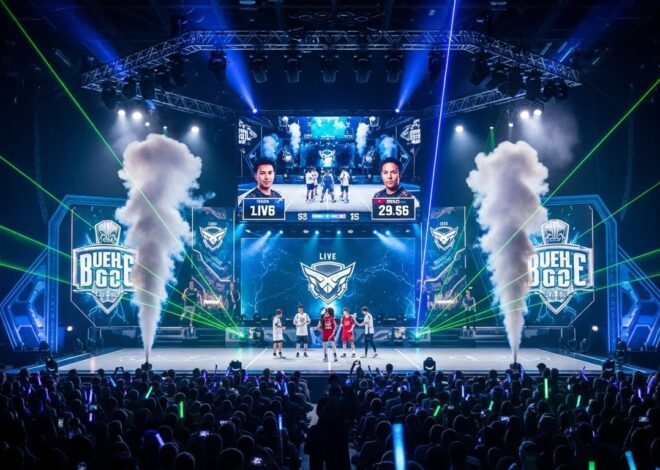
The League of Legends World Championship, organized annually by Riot Games, attracted millions of viewers worldwide, rivaling traditional sports events. Similarly, The International, the premier Dota 2 tournament hosted by Valve Corporation, set new records with multi-million-dollar prize pools crowdfunded by the gaming community.
Esports organizations like Fnatic, Team Liquid, Cloud9, and T1 became household names, managing multiple rosters across different games. These teams gained major sponsorships from brands outside the gaming industry, such as car manufacturers, beverage companies, and tech giants, signifying a new level of legitimacy.
The Growth of Esports Audiences
One of the defining factors behind the success of Esports is its immense global audience. Unlike traditional sports that are often regionally concentrated, Esports transcends geographic barriers. Fans from Asia, Europe, North America, and even Africa can all tune in to the same broadcast simultaneously.
According to industry studies, the global Esports audience grew from a few million viewers in the early 2000s to over half a billion by the 2020s. This growth was fueled by accessibility — anyone with an internet connection could watch tournaments live and engage with content. The fan experience is interactive, with viewers able to chat, follow player streams, and even donate to support their favorite teams.
The community-driven nature of Esports also contributed to its rise. Unlike traditional sports, where players and fans are often separated by layers of media and management, Esports players maintain direct connections with their followers through social media and live streaming. This personal interaction creates a strong sense of loyalty and identification among fans.
The Economics of Esports
Behind the glamour of big tournaments and star players lies a sophisticated business ecosystem. The Esports industry today is worth billions of dollars and continues to grow rapidly. Revenue streams come from various sources including sponsorships, advertising, media rights, ticket sales, in-game purchases, and merchandise.
Sponsorship is the largest contributor, with companies investing heavily to associate their brands with Esports teams and events. Traditional sports giants and global brands such as Nike, Adidas, and Red Bull have entered the scene, recognizing the marketing potential of reaching young, tech-savvy audiences.
Esports teams operate similarly to traditional sports franchises. They recruit talent, sign contracts, and manage training facilities. Many organizations even provide psychological coaching, nutrition plans, and fitness programs to ensure players perform at their best. The professionalism in team management has increased dramatically, solidifying Esports as a legitimate sporting industry.
Prize pools for major tournaments can be enormous. The International 2019 in Dota 2 had a prize pool exceeding $34 million, with the winning team taking home more than $15 million. These numbers not only highlight the financial scale of Esports but also showcase the support and engagement of global gaming communities.
Esports and Technology
Technology is at the heart of Esports. From high-performance gaming PCs and consoles to ultra-fast internet connections, the advancement of technology has made competitive gaming smoother, more immersive, and more accessible.
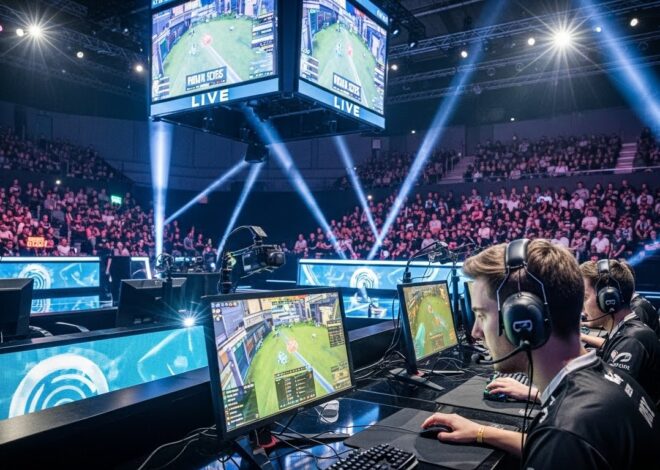
Game developers are continuously optimizing their titles for competitive play, ensuring balance, fairness, and spectator-friendly features. Esports broadcasts often feature high-definition streaming, real-time statistics, replays, and commentary that rival professional sports coverage.
Virtual reality (VR) and augmented reality (AR) are also beginning to influence Esports, offering new forms of interactive gaming. Additionally, artificial intelligence is being used to analyze gameplay, helping players and teams refine strategies based on data-driven insights.
The rise of mobile Esports has further expanded the audience. Games like PUBG Mobile, Mobile Legends: Bang Bang, and Free Fire have made competitive gaming accessible to people who may not own a gaming PC or console. This inclusivity has led to a surge in popularity across regions such as Southeast Asia, India, and Latin America.
The Cultural Impact of Esports
Beyond competition, Esports has become a significant part of modern culture. It has shaped how younger generations view entertainment, competition, and community. Professional gamers are now celebrated as influencers and celebrities, often boasting millions of followers on social platforms.
Esports has also played a vital role in bridging cultural and linguistic barriers. Players from diverse backgrounds come together on global stages, united by their love for the game. Events like the League of Legends Worlds or Overwatch League Finals serve as international festivals of culture, technology, and entertainment.
The popularity of Esports has even influenced traditional sports organizations. Major teams such as Manchester City, Paris Saint-Germain, and Golden State Warriors have established Esports divisions, acknowledging the growing overlap between traditional sports and gaming culture.
Moreover, Esports has encouraged discussions around mental health, diversity, and inclusivity. Many organizations now emphasize creating safe and supportive environments for players, both online and offline. This shift reflects the maturity of the industry as it continues to grow responsibly.
Esports in Education
In recent years, educational institutions have recognized the potential of Esports as a learning and career development tool. Universities across the world have introduced Esports programs and scholarships, training students not only in competitive play but also in game design, event management, marketing, and broadcasting.
High schools are forming Esports clubs to teach teamwork, strategic thinking, and digital literacy. These programs demonstrate that Esports can foster skills relevant to many professional fields. The inclusion of Esports in education also helps challenge outdated stereotypes about gaming being an unproductive activity.
By promoting discipline, communication, and problem-solving, Esports is showing that success in gaming requires the same dedication and mental focus as any traditional sport or academic pursuit.
Challenges and Criticisms
Despite its success, Esports faces several challenges. One major concern is player burnout. Professional gamers often train for long hours daily, leading to physical and mental strain. The pressure to perform at a high level, combined with the rapid pace of game updates and competitive schedules, can take a toll on their well-being.
Another challenge is maintaining integrity and fairness. Issues such as cheating, match-fixing, and exploitation by unregulated organizations have occasionally tarnished the reputation of Esports. However, the industry has made significant progress in creating governing bodies and regulations to combat such problems.
Toxicity in online communities remains another concern. As Esports grows, ensuring respectful and inclusive behavior among fans and players becomes crucial. Developers, teams, and tournament organizers are actively working to create safer environments for all participants.
Additionally, the rapid commercialization of Esports raises questions about sustainability. While sponsorships and media deals drive growth, the industry must balance financial interests with the integrity of competition and the well-being of players.
The Future of Esports
The future of Esports looks incredibly promising. With continuous technological innovation and global interest, the industry is expected to expand further in both scale and diversity. Emerging technologies like 5G will make high-quality gaming more accessible worldwide, while advancements in virtual reality and artificial intelligence will introduce new gaming experiences.
Esports may soon become a regular feature in global sporting events. Discussions about including Esports in the Olympic Games highlight the growing recognition of competitive gaming as a legitimate sport. Although traditionalists remain skeptical, the sheer scale of Esports audiences and participation makes it impossible to ignore.
The next decade will likely see Esports integrating even more deeply with mainstream entertainment. Crossovers between gaming, film, and music are already common, and virtual events and concerts within games hint at a new era of digital convergence. Esports athletes will continue to inspire millions, proving that success can come from passion, skill, and dedication in the virtual arena.
Conclusion: A Legacy in the Making
Esports has evolved from a niche hobby into one of the most dynamic and influential industries of the modern age. It represents a fusion of technology, entertainment, and human competitiveness unlike anything seen before. What began as small competitions among friends has become a global spectacle watched by millions and driven by innovation, community, and creativity.
As the industry continues to mature, Esports will undoubtedly leave a lasting legacy on culture, economy, and technology. It is not merely a digital pastime but a movement that reflects the evolving relationship between humans and technology — a symbol of how passion, skill, and collaboration can thrive in the virtual world just as they do in the physical one.
The rise of Esports is a story of transformation, empowerment, and global connection. It demonstrates how the boundaries of competition are expanding beyond traditional definitions, creating new opportunities for generations to come. The digital arena has become the new frontier of athleticism, where reflexes meet strategy, and players become legends not on the field, but on the screen.