
The Rise and Evolution of Esports: From Basement Battles to Global Arenas
Introduction
Esports, short for electronic sports, has transformed from a niche hobby into a global phenomenon. Once limited to small groups of friends competing in video games, esports now attracts millions of viewers, boasts multi-million-dollar prize pools, and has created careers for professional gamers, commentators, and event organizers. The industry blends technology, entertainment, and sports in a unique way, creating a new cultural ecosystem that spans continents.
In the last two decades, esports has grown at an unprecedented rate. Competitive gaming is no longer confined to bedrooms or internet cafes; it fills stadiums, dominates streaming platforms, and receives sponsorship from some of the world’s biggest brands. This blog explores the history, evolution, and impact of esports, examining the industry’s infrastructure, its players, and its future.
The Early Days of Competitive Gaming
Esports has roots that go back to the 1970s and 1980s. Early video games like Pong and Space Invaders offered opportunities for informal competition. The 1980s saw the first organized tournaments, with games such as Pac-Man and Donkey Kong. Arcades became community hubs where players could compete for high scores, and the concept of leaderboard rankings emerged.
The 1990s brought a wave of multiplayer PC games that would lay the foundation for modern esports. Titles like Doom, Quake, and StarCraft introduced competitive environments where skill, strategy, and reflexes determined outcomes. LAN parties, where players brought their computers together for tournaments, became a key social and competitive phenomenon.
By the late 1990s, professional gaming was beginning to take shape. South Korea, in particular, embraced esports with StarCraft tournaments, creating professional leagues and televised competitions. This early investment in infrastructure and culture laid the groundwork for esports as a legitimate career path.
The Rise of Online Gaming and Streaming Platforms
The 2000s marked a pivotal moment for esports with the widespread availability of high-speed internet. Online gaming allowed players to compete from anywhere in the world, connecting communities across continents. Multiplayer games like Counter-Strike, World of Warcraft, and League of Legends gained massive followings, with organized competitions and online rankings attracting serious attention.
Streaming platforms such as Twitch and YouTube Gaming revolutionized how esports was consumed. Fans could watch live matches, follow their favorite players, and interact in real time. This not only increased accessibility but also created entirely new revenue models through subscriptions, donations, and sponsorships. The combination of global connectivity and streaming laid the foundation for esports’ explosive growth.
Major Esports Titles and Their Impact
Several games have become pillars of the esports industry, each contributing to its popularity and evolution. League of Legends, developed by Riot Games, has become one of the most watched esports titles in the world, with its annual World Championship drawing millions of viewers. Dota 2 is famous for The International, an annual tournament with one of the largest prize pools in esports history.
First-person shooters like Counter-Strike: Global Offensive and Overwatch have cultivated dedicated fan bases and professional leagues. Fighting games, including Street Fighter and Super Smash Bros., foster niche communities with passionate competitors. Sports simulations like FIFA and NBA 2K bridge traditional athletics and gaming, appealing to both fans of video games and traditional sports.
These games not only provide competitive platforms but also influence gaming culture, community engagement, and sponsorship opportunities. Each title requires distinct skill sets, strategies, and teamwork, highlighting the diversity within the esports ecosystem.
Professional Players: From Hobbyists to Celebrities
Esports has created a new generation of professional athletes. Top players train extensively, often dedicating eight to twelve hours a day to practice, strategy, and teamwork. They study opponents, review gameplay footage, and maintain physical and mental health regimens to perform at the highest level.
Professional gamers are not just competitors—they are influencers, content creators, and brand ambassadors. They build personal brands through social media, streaming, and endorsements. Stars like Faker in League of Legends or N0tail in Dota 2 are global icons, inspiring fans and shaping the next generation of players.
The professionalization of esports also includes coaching, analysts, managers, and support staff. Teams operate like traditional sports organizations, with structured training facilities, nutrition plans, and performance tracking. This infrastructure demonstrates that esports requires not only talent but also rigorous organization and investment.
Esports Tournaments: The New Spectacles
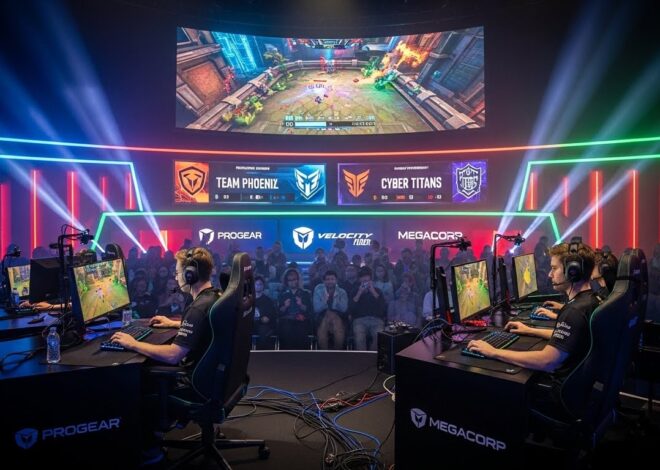
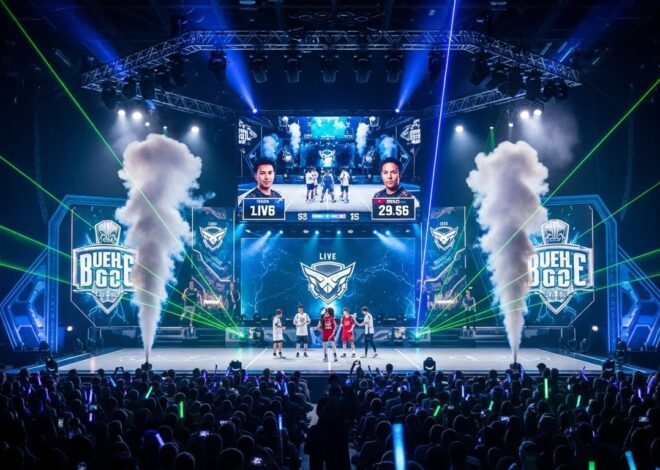
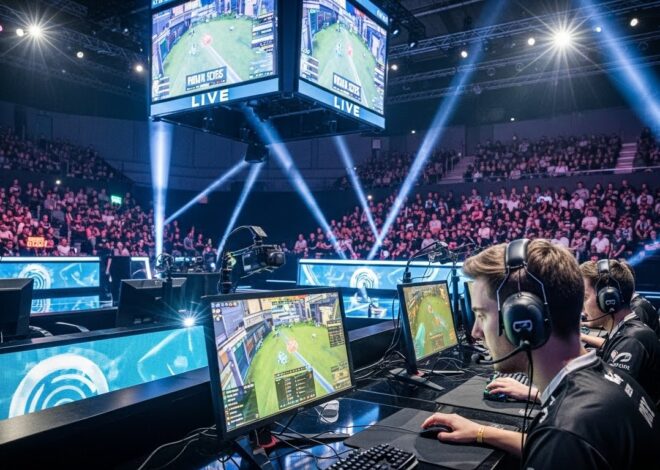
Competitive esports has moved from small local events to massive international tournaments. Events like the League of Legends World Championship, The International for Dota 2, and the Fortnite World Cup attract tens of thousands of live spectators and millions of online viewers. Stadiums, arenas, and convention centers now host these events, complete with elaborate production, lighting, and commentary teams.
Prize pools for these tournaments have reached astronomical figures. Dota 2’s The International, for example, has offered more than thirty million dollars in a single year. The size of these events underscores the economic and cultural significance of esports as an entertainment medium. Beyond prize money, tournaments generate revenue through sponsorships, merchandising, and media rights.
Esports and Sponsorship: A Booming Industry
Sponsorships and partnerships are essential to esports’ growth. Major brands from technology, energy drinks, apparel, and even automotive sectors invest heavily in teams, tournaments, and individual players. These partnerships provide financial stability for teams and offer companies access to highly engaged and often younger demographics.
Esports also intersects with traditional media and advertising in innovative ways. Streaming platforms allow integrated product placements, interactive ads, and co-branded content that engages audiences more directly than conventional advertising. The combination of passionate fans and digital engagement makes esports a lucrative marketing opportunity.
The Globalization of Esports
Esports has become a truly global phenomenon. South Korea and China are recognized as powerhouses due to extensive infrastructure, government support, and a strong culture of gaming. North America and Europe host professional leagues, teams, and tournaments, attracting international talent. Emerging markets in Southeast Asia, Latin America, and the Middle East are expanding rapidly, further diversifying the esports community.
Globalization also means diverse playstyles and strategies. Regional differences in gameplay and culture create unique competitive dynamics. International tournaments become arenas not just of competition but of cultural exchange, highlighting how esports transcends language, geography, and social boundaries.
Esports and Education: A Growing Connection
Universities and schools have begun embracing esports as a legitimate field of study and competition. Collegiate leagues provide scholarships, career opportunities, and a structured environment for aspiring professionals. Educational programs offer courses in game design, management, and digital marketing, preparing students for careers within the esports industry.
Esports also teaches essential skills such as teamwork, strategic thinking, communication, and discipline. These transferable skills make esports not only an entertainment activity but also a platform for personal development and education.
The Mental and Physical Demands of Esports
Competitive gaming requires more than fast reflexes—it demands mental resilience, strategic planning, and physical well-being. Players face intense pressure in high-stakes tournaments, requiring focus, stress management, and emotional control. Fatigue, repetitive strain injuries, and burnout are common challenges.
Teams now employ mental coaches, physical trainers, and nutritionists to support player health. Mindfulness exercises, ergonomic equipment, and structured practice schedules are increasingly standard. Recognizing that esports is not just a hobby but a professional athletic endeavor has led to a more holistic approach to player wellness.
Streaming, Content Creation, and Community Engagement
Beyond tournaments, esports thrives through content creation and community interaction. Platforms like Twitch, YouTube, and TikTok allow players to stream games, offer tutorials, and engage fans directly. This interactive experience strengthens the bond between players and audiences, creating vibrant communities around games and personalities.
Streaming is a career in itself. Many professional players supplement tournament earnings through subscriptions, donations, and sponsorship deals. This diversification of revenue has helped stabilize careers and expand the ecosystem beyond competition alone.
Community engagement also fuels game development. Developers monitor feedback, balance gameplay, and introduce updates to maintain competitiveness and player satisfaction. This continuous interaction between players, developers, and audiences is a defining feature of esports culture.
Challenges Facing the Esports Industry
Despite its success, esports faces challenges. The rapid growth of the industry has outpaced regulation, creating issues around player rights, contract fairness, and fair competition. Gender representation is another concern, with women and minorities still underrepresented in professional leagues.
Cheating and match-fixing also threaten the integrity of competitions. Advanced anti-cheat systems, player education, and regulatory oversight are essential to maintain trust within the community. Sustainability is another focus, as tournaments and online platforms consume significant resources. The industry must balance growth with ethical responsibility and long-term viability.
The Future of Esports
The future of esports is bright and expansive. Emerging technologies like virtual reality, augmented reality, and artificial intelligence promise new forms of competitive gaming. VR esports could allow players to physically immerse themselves in virtual arenas, creating unprecedented experiences for participants and viewers. AI can assist in training, game analysis, and even matchmaking, further professionalizing the ecosystem.
The potential for global expansion remains immense. As internet connectivity improves worldwide and mobile gaming continues to grow, esports will reach new audiences in regions previously untapped. Integration with mainstream media, sports, and entertainment industries will continue to elevate its profile.
Esports is also likely to become more inclusive. Initiatives to support female gamers, diverse talent, and grassroots development programs will foster a richer, more representative competitive environment.
Conclusion
Esports has evolved from humble beginnings to a worldwide industry with cultural, economic, and social significance. It is more than a form of entertainment—it is a professional sport, a platform for creativity, and a global community. From early arcade competitions to massive international tournaments, esports reflects human innovation, passion, and connectivity.
As technology advances and audiences continue to grow, esports will remain a dynamic and influential part of global culture. Its ability to unite people through