The New Age of Competition: Exploring the Global Phenomenon of Esports
Esports has rapidly risen from a small subculture into one of the most influential entertainment industries of the modern era. What was once viewed as casual gaming among friends has transformed into a structured, competitive ecosystem where skilled players, professional teams, and global audiences come together to celebrate digital competition. This article dives deep into the world of esports, exploring its history, culture, economic power, and future potential.
The Beginning of a Digital Revolution
Esports did not emerge overnight. Its origins can be traced back to the earliest days of video gaming. During the 1970s and 1980s, arcades and game rooms were filled with players challenging each other for high scores on machines like Space Invaders and Pac-Man. These early contests planted the seeds of competitive gaming, although the idea of esports as we know it today was still far from reality.
With the rise of home computers and internet connectivity in the 1990s, multiplayer gaming introduced new possibilities. Games like StarCraft, Quake, and Counter-Strike allowed players to compete against others in different locations. LAN parties became popular gathering spots where gamers could test their skills. These small events laid the foundation for organized tournaments and professional competition.
The Rise of Major Esports Titles
As technology advanced, new games were developed that encouraged deeper strategy, teamwork, and skill-based gameplay. These titles became the backbone of modern esports. Games such as League of Legends, Dota 2, and Counter-Strike: Global Offensive established themselves as staples of competitive gaming. They offered dynamic environments, constant updates, and balanced mechanics that kept the community engaged.
Fighting games, racing simulators, and sports games also found their place in the esports arena. Titles from a wide range of genres contributed to the industry’s expansion. The diversity of games allowed players of different interests and skill sets to participate, ensuring esports reached a broad audience.
The Spectator Experience and Global Appeal
One of the biggest factors in the growth of esports is its accessibility to spectators. Unlike traditional sports, esports competitions can be watched from anywhere with an internet connection. Fans follow tournaments, match highlights, and player streams from their phones, laptops, or smart TVs.
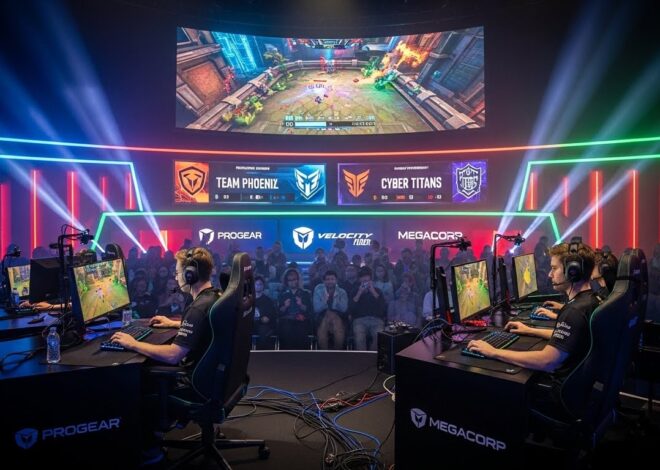
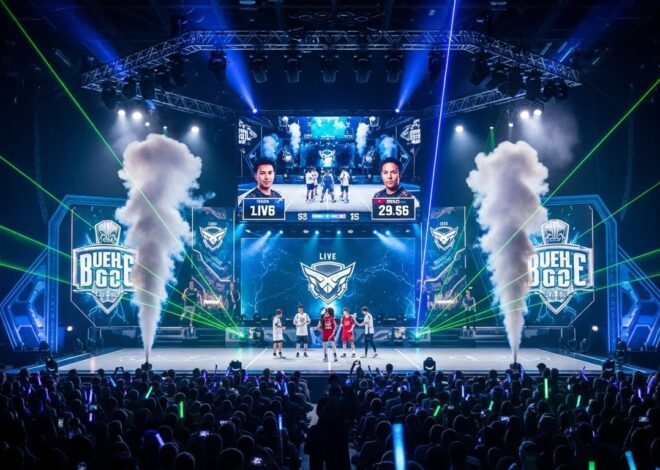
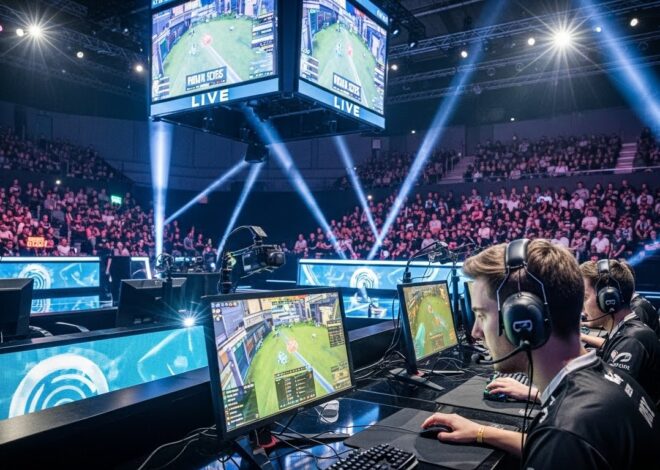
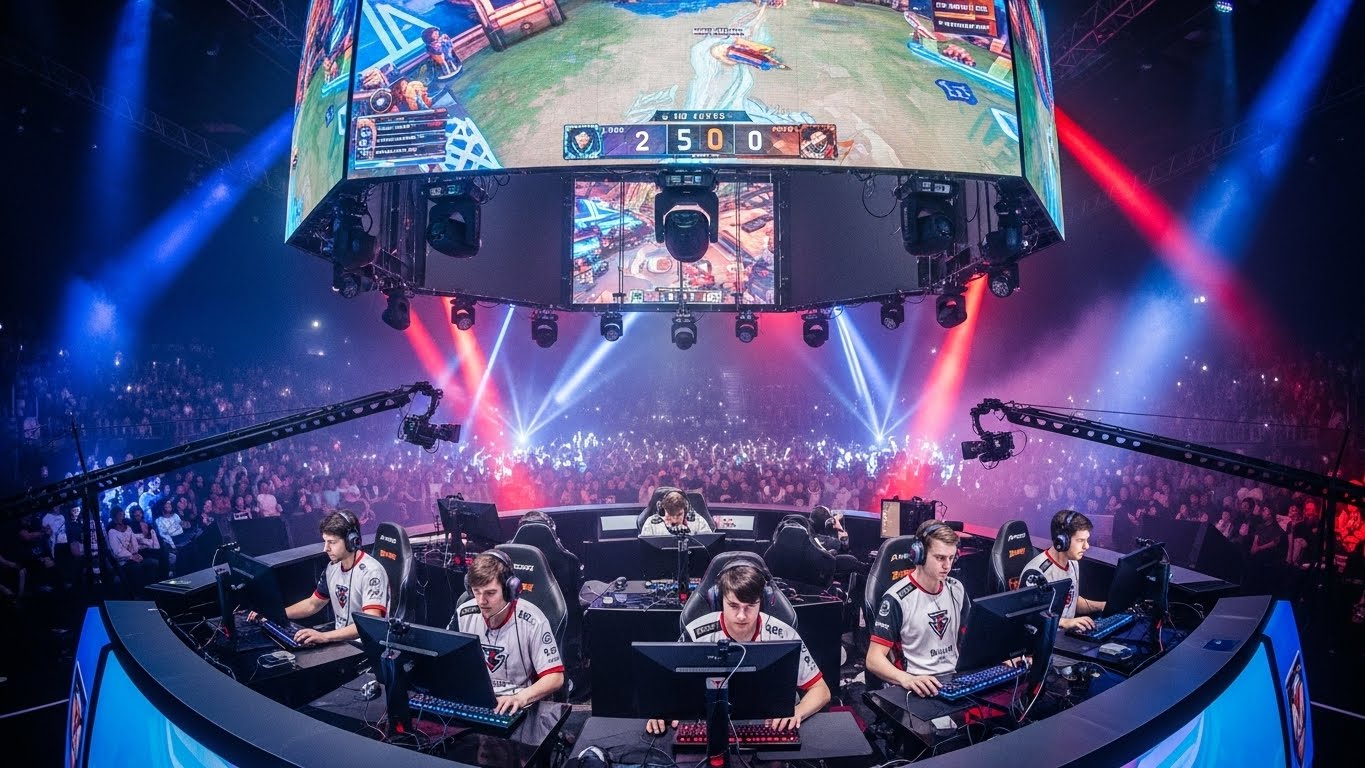
The excitement of esports lies not only in the gameplay but also in the production. High-quality broadcasts, energetic commentators, instant replays, and creative storytelling enhance the viewer experience. Fans can see every strategic decision, every moment of pressure, and every highlight-worthy play. The accessibility and engagement of esports have helped it reach audiences of all ages and backgrounds, turning it into a global phenomenon.
The Professionalization of Esports Teams
Modern esports teams operate much like professional sports organizations. They recruit talented players, hire coaches, and integrate analysts, fitness trainers, and strategists into their operations. Players sign contracts, receive salaries, and compete in structured leagues and tournaments. This professional environment allows players to focus on developing their skills and achieving peak performance.
Many teams have training facilities equipped with advanced technology, gaming stations, physical conditioning areas, and mental wellness resources. These spaces ensure athletes are prepared both physically and mentally for the intense competition they face. The growth of these organizations highlights the seriousness and professionalism of the esports industry.
Training, Discipline, and the Life of an Esports Athlete
The life of an esports player requires tremendous dedication. Elite players spend hours each day practicing mechanics, reviewing strategies, and coordinating with teammates. They analyze their gameplay to identify weaknesses and develop solutions. The mental aspect is just as important as the physical one. Focus, decision-making, and emotional resilience are critical to performing under pressure.
Players also need to take care of their physical health. Long gaming sessions can lead to fatigue, eye strain, or posture issues, so esports organizations often incorporate fitness routines and health programs into their training. Nutrition, rest, and mental wellness are essential components of maintaining peak performance.
The Economic Growth of the Esports Industry
Esports has become a global economic powerhouse. Revenue is generated through sponsorships, media rights, merchandise, advertising, and live event ticket sales. Technology companies, beverage brands, and major corporations invest heavily in the industry, recognizing its potential to reach millions of enthusiastic fans.
Prize pools for major tournaments often reach millions of dollars, attracting top-tier talent from around the world. Careers in esports extend far beyond playing. Broadcasters, event organizers, designers, marketers, social media managers, and analysts all play key roles in the thriving ecosystem. The industry has created countless opportunities and continues to grow each year.
Esports as a Cultural Movement
Esports is more than just competition; it is a cultural force reshaping entertainment. Players become influencers with massive fanbases. Teams build identities that fans proudly support. Entire communities form around games, sharing strategies, cheering for favorite players, and attending events.
Esports has also influenced fashion, music, and pop culture. Collaborations between game developers, musicians, and clothing brands bring unique projects to life. The digital nature of esports allows for constant creativity and innovation, resulting in a culture that evolves rapidly and reflects the interests of modern audiences.
Educational Opportunities and Academic Integration
Esports has made significant strides in the world of education. Many schools and universities have formed official esports teams, offering scholarships and academic programs focused on gaming and digital media. Students learn not only gameplay skills but teamwork, leadership, communication, and critical thinking.
Academic institutions have recognized the value of esports as a career pathway. Courses in game design, broadcasting, event management, and sports marketing prepare students for roles in the industry. This integration strengthens esports as a respected discipline and opens new opportunities for aspiring professionals.
Community Building and Social Interaction
One of the greatest strengths of esports is its ability to connect people. Online gaming communities foster friendships and collaboration. Players from different countries and cultures come together through shared interests. Esports events offer fans opportunities to meet one another, celebrate victories, and engage in conversations.
Streaming platforms add another layer of interactivity. Fans can chat with their favorite players, watch live gameplay, and participate in community events. This level of engagement creates lasting bonds and makes esports more immersive and social than many other forms of entertainment.
Challenges Facing the Esports Industry
Despite its success, esports faces several challenges that could affect its future growth. Player burnout remains a serious issue, as the pressure to train and perform can be overwhelming. Many players retire at a young age due to the physical and mental strain of competition.
Maintaining competitive integrity is another challenge. Cheating, unauthorized software, and match-fixing threaten fair play. Developers and organizations must invest in strict regulations and monitoring systems to protect the credibility of esports.
Toxic behavior in online communities is also a concern. Efforts must be made to promote positive engagement, inclusivity, and sportsmanship. Addressing these challenges is essential for ensuring a healthy and sustainable esports environment.
The Future of Esports
The future of esports looks incredibly promising. Advancements in technology will continue to push the boundaries of what is possible. Virtual reality and augmented reality may introduce entirely new forms of competitive gaming. Cloud gaming will make esports more accessible, allowing players to compete without expensive hardware.
The global audience is expected to grow, creating more opportunities for players, creators, and businesses. Esports may also merge more closely with traditional sports, forming collaborations, shared events, and new hybrid competitions. As esports continues to expand, its influence on entertainment, culture, and technology will only increase.
Conclusion
Esports has transformed from a simple recreational activity into a worldwide industry that captures the attention and passion of millions. Its growth is driven by technology, talent, community, and an ever-evolving competitive spirit. The digital arena has become a place where players showcase skill, determination, and creativity while fans unite in excitement and support.
As esports continues to rise, it represents not only the future of gaming but the future of entertainment itself. Whether you are a dedicated gamer, a casual fan, or a curious observer, the world of esports offers something for everyone. It stands as a powerful example of how passion, innovation, and community can reshape an entire industry.