The Explosive Growth of Esports: The Future of Competitive Gaming
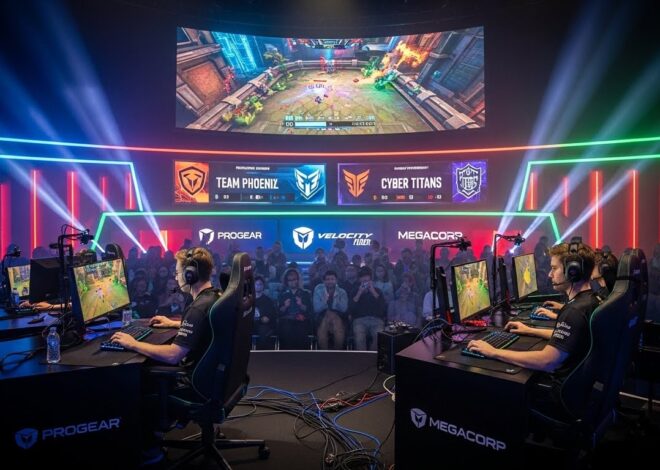
Esports, short for electronic sports, has evolved from a niche hobby into a global phenomenon. Once viewed as a pastime for gamers, esports has now become a multi-billion-dollar industry, with professional leagues, sponsorships, and millions of viewers tuning in to watch top players battle it out. In this blog post, we’ll explore the rise of esports, its impact on gaming culture, the business side of the industry, and where esports might be headed in the future.
The Origins of Esports: From Casual Competitions to Global Phenomenon
Esports’ roots can be traced back to the early days of video games. In the 1970s and 1980s, competitive gaming existed in small, local settings, with games like “Pong” and “Space Invaders” sparking the first competitions. However, it wasn’t until the 1990s that competitive gaming began to take shape on a larger scale. Games like “Street Fighter” and “Quake” saw players competing in local tournaments, but it wasn’t until the launch of games like “StarCraft” and “Warcraft III” in the late ’90s and early 2000s that esports truly began to take off.
The South Korean esports scene, in particular, played a crucial role in the industry’s development. In the early 2000s, StarCraft became a cultural phenomenon in South Korea. The country’s government recognized the potential of esports as a form of entertainment and backed the growth of esports infrastructure. By 2000, Korea had already established the first professional gaming league, the “Korean e-Sports Association” (KeSPA), and broadcasting networks began airing live esports events. This led to the emergence of the first esports superstars and established the foundation for competitive gaming worldwide.
The Rise of Professional Leagues and Streaming Platforms
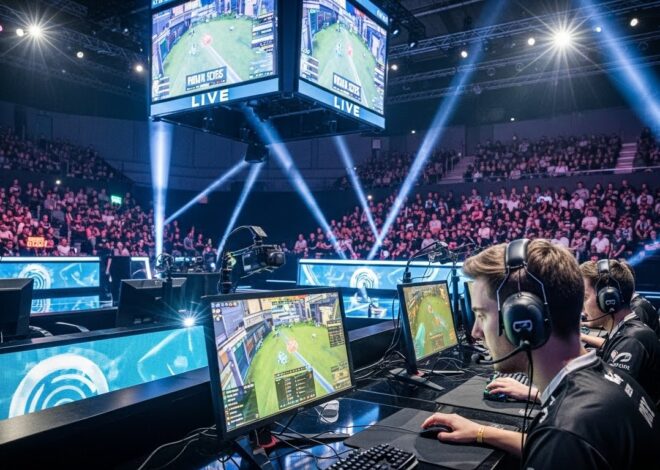
As esports grew in popularity, the introduction of live-streaming platforms like Twitch in 2011 and YouTube Gaming in 2015 allowed fans from across the globe to watch and interact with professional players in real-time. This shift in how audiences consumed esports content was a game-changer, as it allowed viewers to watch tournaments live, follow their favorite players, and even chat with them during streams. The interactivity between fans and players helped solidify the personal connection many fans feel with esports.
Simultaneously, the creation of major esports leagues helped professionalize the industry. The “League of Legends Championship Series” (LCS), for example, was founded in 2013 and quickly became one of the most-watched esports events globally. The Overwatch League (OWL), launched in 2018, followed the same model of creating city-based franchises. These leagues offered players salaries, sponsorships, and the chance to play in front of massive audiences, further legitimizing esports as a viable career for gamers.
The increased visibility of these events has drawn in massive investment from traditional sports organizations, tech companies, and even non-endemic brands like Coca-Cola and Red Bull. This infusion of capital has enabled esports to develop further, with prize pools growing to millions of dollars for games like “Dota 2” and “Fortnite.”
Esports as a Legitimate Career Path
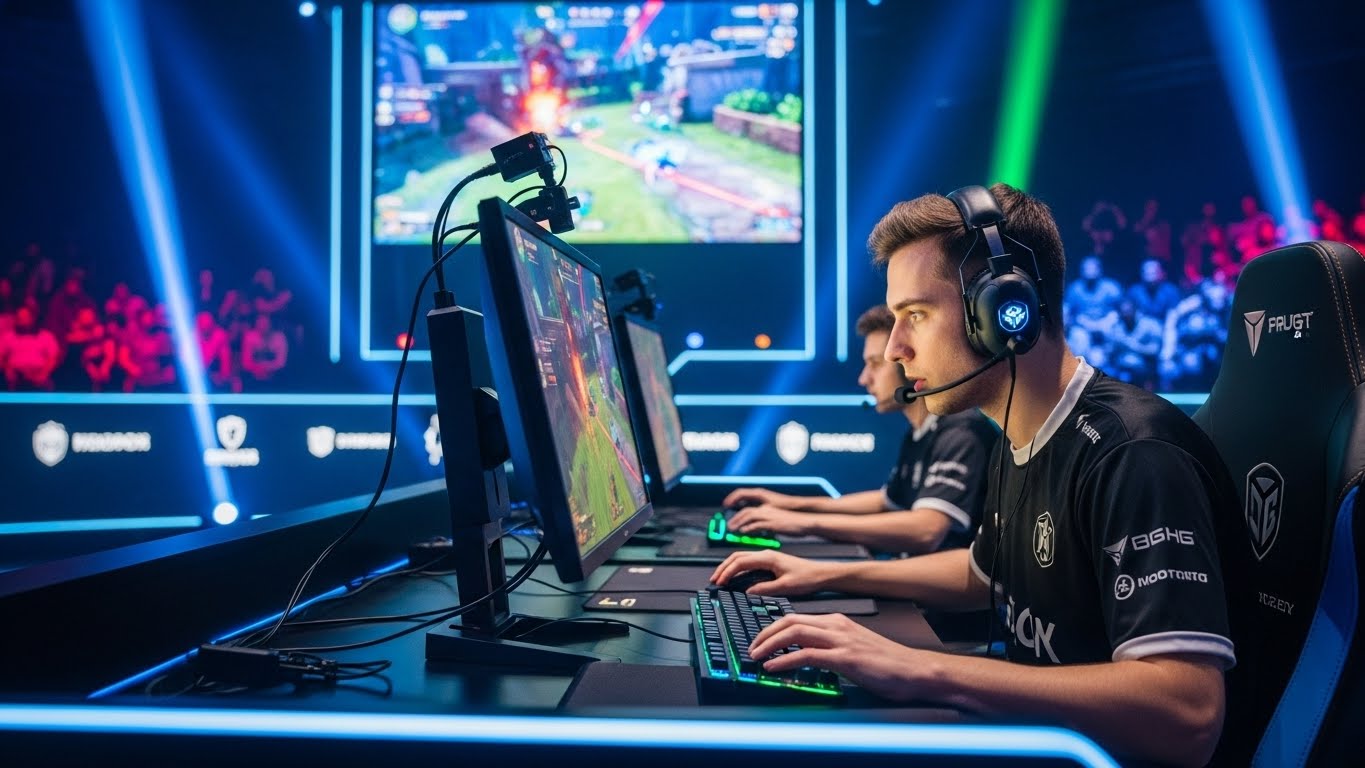
One of the most significant changes esports has brought about is the creation of a legitimate career path for professional gamers. In the early days, competitive gamers were often seen as hobbyists or outcasts, but that perception has drastically changed in the past decade. Today, esports athletes can earn substantial salaries, endorsements, and prizes. The rise of esports as a career option has also created a new ecosystem, which includes coaches, analysts, broadcasters, event organizers, and even psychologists who help players with their mental health and performance.
Professional gamers often spend years training for tournaments, perfecting their skills in specific games, and building their personal brands through social media. They may also stream on platforms like Twitch, where they can monetize their content through ads, subscriptions, and donations from viewers. Top players can earn salaries comparable to those in traditional sports, with some players making hundreds of thousands of dollars a year. For example, in 2019, “The International” Dota 2 tournament awarded over $34 million in prize money, a staggering figure that highlights the immense financial potential of esports.
The Cultural Impact of Esports
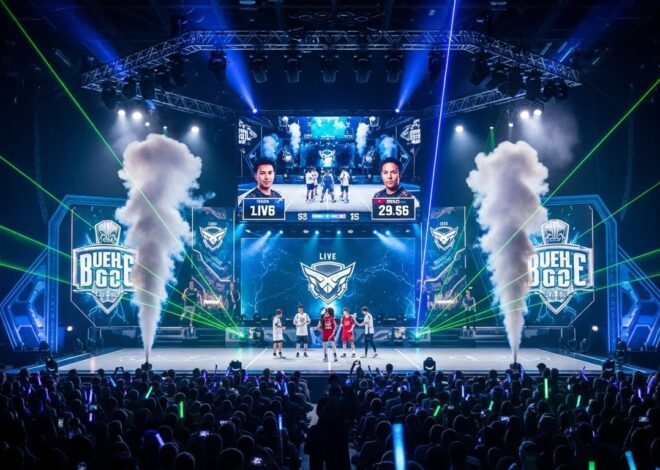
Esports has also had a significant impact on gaming culture. Where gaming was once considered a solitary or antisocial activity, esports has transformed it into a highly social, community-driven experience. Players interact with fans and fellow gamers on social media, Twitch chats, and during live events. Esports tournaments, especially the major ones, have become social gatherings, with fans flying from around the world to watch their favorite teams compete.
Additionally, esports has led to the rise of gaming influencers and content creators. These individuals, often streamers or YouTubers, have become stars in their own right, attracting millions of followers and making a living off their content. These influencers often serve as a bridge between the professional esports scene and the wider gaming community, allowing fans to stay up-to-date with news, tips, and entertainment related to their favorite games.
Esports has also entered mainstream media, with televised events and documentaries being produced about the lives of professional players. Gaming-centric documentaries like “The Smash Brothers” and “Free to Play,” which follows players during The International 2011 Dota 2 tournament, have shed light on the behind-the-scenes world of esports. As gaming continues to grow as an industry, it’s no longer relegated to the realm of niche subcultures but has firmly entered popular culture.
Esports in Education and Scholarships
Another aspect of esports that has garnered attention in recent years is its integration into education. Colleges and universities across the United States and around the world have begun offering esports scholarships, formalizing gaming as a part of the academic experience. Several schools now offer esports management programs, where students can study the business and organizational aspects of esports, while others have even established competitive esports teams that compete in collegiate tournaments.
These scholarships and programs are helping to legitimize gaming as a serious pursuit, offering talented players the opportunity to pursue higher education while continuing their competitive gaming careers. Esports in education also provides students with the chance to develop transferable skills, such as teamwork, communication, and strategic thinking, which are useful both in and out of the gaming world.
The Future of Esports: What’s Next?
Esports is still a relatively young industry, and its future holds immense potential. The continued growth of streaming platforms and the increased investment from traditional sports organizations suggest that esports will continue to expand and diversify. Here are some key trends to watch in the future of esports:
1. Global Expansion and Localization
Esports is expected to continue expanding across the globe, with new markets opening up in regions like Southeast Asia, Latin America, and the Middle East. As the infrastructure for esports grows in these areas, more local tournaments, leagues, and events will emerge, increasing the global appeal of the industry.
2. Virtual and Augmented Reality Esports
With the rapid advancements in virtual reality (VR) and augmented reality (AR) technology, we may see a shift towards VR esports in the future. VR gaming offers an immersive experience that could take competitive gaming to a whole new level. If VR esports becomes mainstream, it could attract a new generation of players and fans.
3. Integration with Traditional Sports
There is potential for further integration between esports and traditional sports. Many sports organizations are already dipping their toes into esports, with NBA teams owning esports franchises or football clubs creating their own competitive gaming divisions. In the future, we may see more crossovers, where esports events are held alongside traditional sports competitions, further blurring the lines between the two.
4. Increased Focus on Mental Health and Well-Being
As esports continues to grow, there will likely be a stronger emphasis on player well-being. The mental and physical demands of professional gaming can take a toll on players, and organizations are beginning to invest in psychologists, nutritionists, and coaches to help players cope with the stress of competition. In the coming years, mental health awareness may become a core part of the esports industry’s culture.
5. Esports as an Olympic Event?
One of the most exciting possibilities for the future of esports is its inclusion in the Olympic Games. With esports’ rapid rise in popularity and the increasing interest from international sports organizations, there have been discussions about including competitive gaming as an official Olympic event. If this happens, it would cement esports as a mainstream form of entertainment and competition on par with traditional sports.
Conclusion
Esports has come a long way since its humble beginnings in local arcades and basement tournaments. Today, it stands as a multi-billion-dollar industry, with millions of fans and players across the globe. Its rapid growth has been fueled by advancements in technology, the rise of streaming platforms, and the increasing acceptance of gaming as a legitimate form of competition. As we look to the future, it’s clear that esports will continue to evolve and expand, offering new opportunities for players, fans, and businesses alike. With the potential for even greater global reach, VR gaming, and potential Olympic recognition, the future of esports looks brighter than ever.