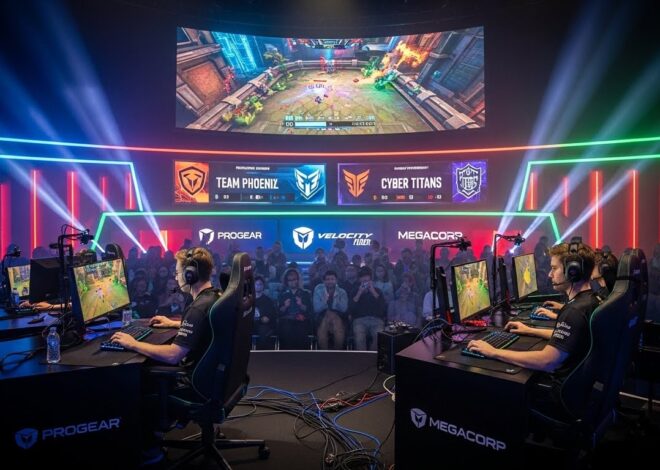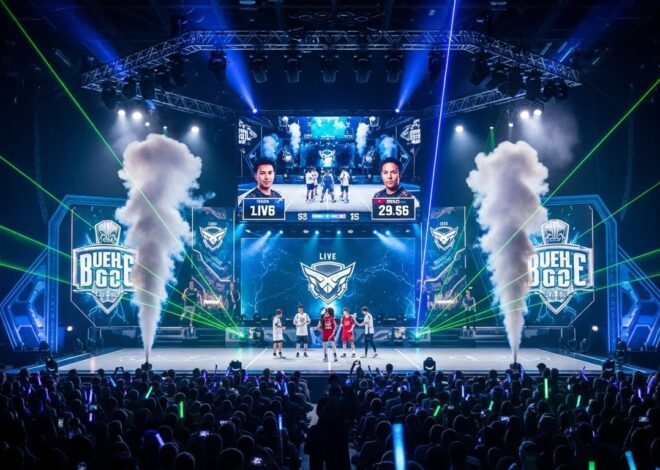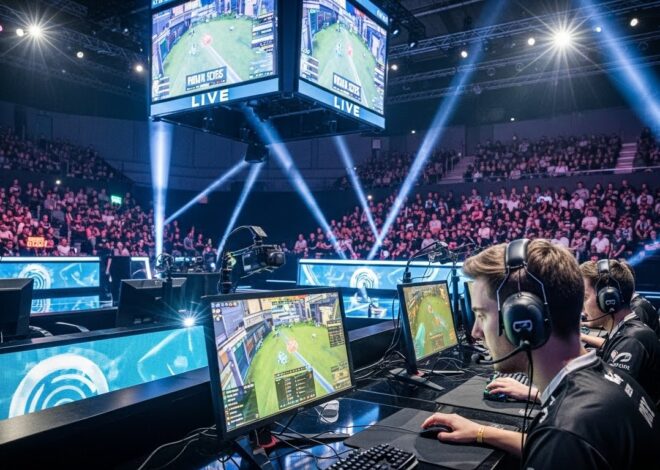
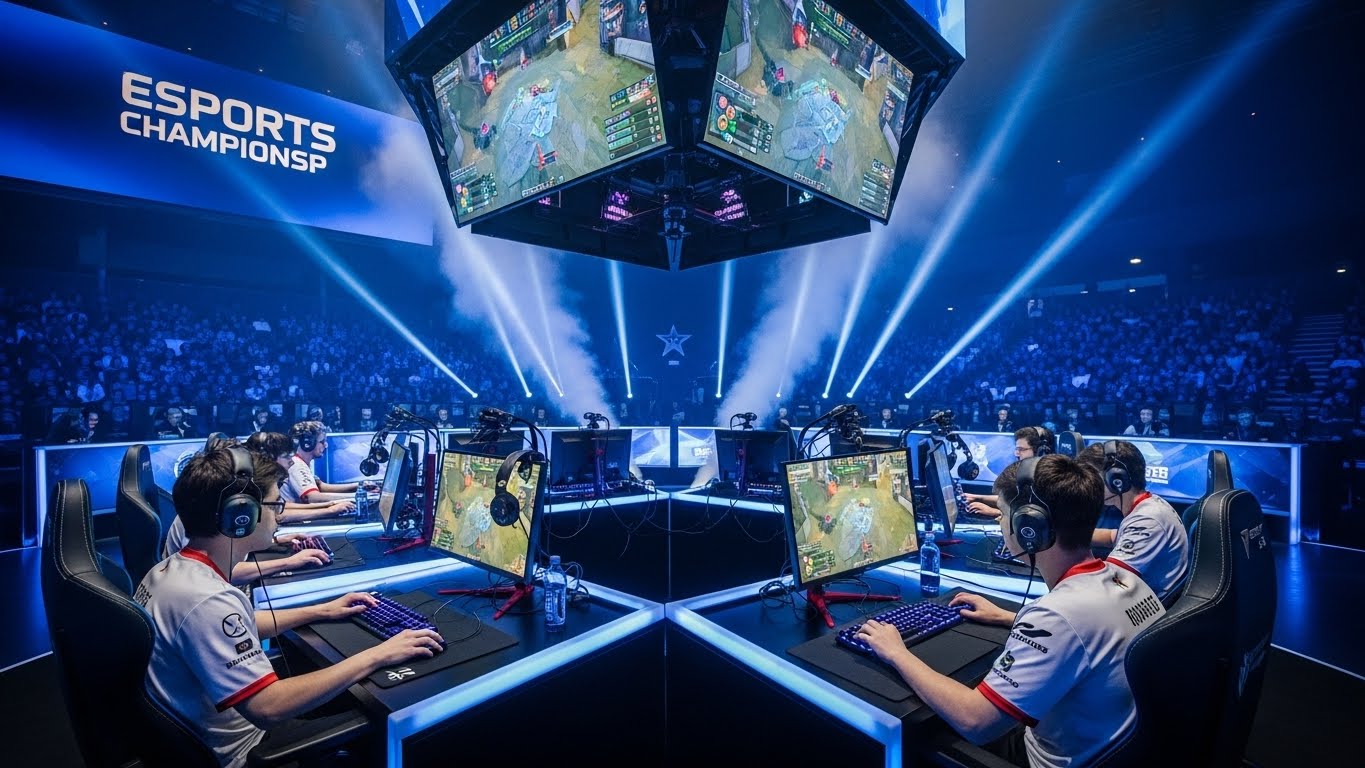
The Enduring Spirit of Sports: How Athletic Competition Shapes Lives and Communities
Sports have been a cornerstone of human culture for centuries, evolving from simple recreational activities to organized, professional, and globally celebrated events. They transcend borders, languages, and cultures, serving as a universal language of passion, discipline, and teamwork. From local community games to international tournaments, sports have the power to inspire, unite, and challenge both participants and spectators alike. In today’s world, sports are more than just a form of physical activity—they influence culture, economy, technology, and personal development.
The Origins of Sports
Sports trace their roots back to ancient civilizations. Early societies organized games to demonstrate physical skill, courage, and endurance. Ancient Egypt, Greece, and China held competitions that combined athleticism with cultural rituals. The Olympic Games in ancient Greece are among the most notable examples, showcasing not only competition but also the values of excellence, honor, and community. These early forms of sports laid the groundwork for modern athletic competitions, emphasizing the importance of physical prowess, strategic thinking, and fair play.
The Evolution of Organized Sports
The transformation of sports into organized competitions began during the 19th and 20th centuries. Standardized rules, formal leagues, and governing bodies allowed games to be played consistently and fairly. Sports such as soccer, cricket, basketball, and athletics grew rapidly, drawing large audiences and creating professional opportunities for athletes. Educational institutions also played a crucial role by integrating sports into their curricula, promoting teamwork, discipline, and character development. This era marked the birth of modern sports as a structured, global phenomenon.
Sports as Entertainment
Sports are among the most popular forms of entertainment worldwide. From packed stadiums to millions of viewers watching live broadcasts, sports captivate audiences with drama, competition, and emotion. Fans become emotionally invested in their favorite teams and athletes, celebrating victories and enduring defeats together. Major events such as the FIFA World Cup, the Olympics, and the Super Bowl generate excitement that extends beyond the games themselves, influencing fashion, music, and popular culture. Sports entertain, inspire, and create shared experiences that connect people across generations and geographies.
Physical and Mental Benefits of Sports
Engaging in sports promotes physical health by enhancing cardiovascular fitness, flexibility, strength, and endurance. Regular activity helps prevent chronic diseases, improves body composition, and boosts overall well-being. Sports also provide significant mental benefits. Participation fosters resilience, self-discipline, and goal-setting. Athletes develop critical thinking skills, adaptability, and the ability to perform under pressure. The combination of physical exercise and mental training makes sports an invaluable tool for holistic personal development.
The Role of Sports in Education
Schools and universities have long recognized the value of sports in education. Participation in athletics teaches students teamwork, leadership, and time management. Competitive sports instill discipline, perseverance, and a sense of responsibility. School sports programs also provide opportunities for scholarships, fostering academic and athletic growth. Coaches serve as mentors, guiding students not only in performance but also in personal development. By integrating sports into education, institutions create well-rounded individuals prepared for challenges both on and off the field.
Building Teamwork and Community
Sports play a crucial role in fostering teamwork and community engagement. Team sports, in particular, require cooperation, communication, and mutual trust to succeed. Playing with others teaches individuals how to work toward a common goal while respecting different perspectives and abilities. Communities rally around local teams, creating bonds through shared support and celebration. Sports provide a platform for social interaction, cultural exchange, and community pride, demonstrating their power to bring people together beyond competitive boundaries.
Sports and Cultural Identity
Sports often reflect the cultural identity of a community or nation. International tournaments showcase not only athletic skill but also national pride, traditions, and values. Athletes become cultural ambassadors, representing their countries and inspiring citizens. Rituals, chants, and symbols associated with sports events contribute to a sense of belonging and shared heritage. In many societies, sports are intertwined with history, politics, and social movements, highlighting their significance beyond physical performance.
The Economic Impact of Sports
Sports have evolved into a significant economic driver. Professional leagues, tournaments, sponsorships, and merchandise generate billions of dollars globally. Cities invest in infrastructure such as stadiums, training facilities, and tourism to support sports-related activities. Sports-related industries include fitness equipment, apparel, broadcasting, and digital media. Athletes themselves often serve as brand ambassadors, attracting sponsorships and endorsements. The economic impact of sports extends beyond revenue generation, creating employment, stimulating local economies, and influencing global business trends.
The Influence of Media on Sports
Media has transformed how sports are consumed and celebrated. Television, radio, and online streaming bring live events to millions of viewers worldwide. Coverage extends beyond games to include analysis, interviews, and behind-the-scenes content. Social media allows fans to interact with athletes, discuss games, and participate in online communities. Media amplifies the reach of sports, turning local competitions into global spectacles and enabling fans to engage with the athletic experience in real time.
Technology in Modern Sports
Technological advancements have revolutionized sports performance and fan engagement. Wearable devices monitor athletes’ fitness levels, track progress, and prevent injuries. Video replay systems ensure fair play and accurate decisions during competitions. Data analytics guide coaching strategies, player development, and team management. Virtual reality and augmented reality enhance training and fan experiences, creating immersive environments for both athletes and audiences. Technology continues to shape the way sports are played, viewed, and appreciated.
Challenges in Sports
Despite their benefits, sports face several challenges. Issues such as doping, corruption, and match-fixing threaten the integrity of competition. Mental health pressures, especially for professional athletes, have gained attention as the demands of training and performance intensify. Inequality in access to facilities and opportunities limits participation in many communities. Additionally, gender disparities, representation, and fair compensation remain critical issues. Addressing these challenges is essential to ensuring sports remain inclusive, ethical, and respected.
Promoting Inclusivity and Diversity
Inclusivity in sports has become a major focus in recent years. Efforts to increase participation among women, people with disabilities, and marginalized communities have gained momentum. Adapted sports programs, inclusive tournaments, and community initiatives provide equal opportunities for all athletes. Promoting diversity strengthens the sports ecosystem by introducing new perspectives, talents, and fan engagement styles. Inclusivity ensures that sports can truly reflect the global population they represent.
Youth Sports and Lifelong Benefits
Youth sports programs are vital for developing future generations of athletes and leaders. Children and teenagers gain essential life skills such as discipline, resilience, and teamwork through participation. Early exposure to competitive sports encourages healthy habits, social development, and self-confidence. Mentorship from coaches and senior athletes provides guidance and inspiration. The lessons learned in youth sports often extend into adulthood, shaping careers, character, and lifelong engagement in physical activity.
The Future of Sports
The future of sports promises innovation and continued growth. Emerging technologies such as artificial intelligence, virtual reality, and performance analytics will redefine training, competition, and fan engagement. Globalization will introduce diverse talent and expand audiences, bringing new cultural perspectives to traditional sports. Sustainability initiatives will focus on eco-friendly stadiums, responsible event management, and reducing environmental impact. As society evolves, sports will remain a unifying and transformative force in entertainment, culture, and personal development.
Conclusion
Sports are more than games—they are a reflection of human potential, resilience, and creativity. From ancient competitions to modern global events, sports inspire individuals, unite communities, and influence cultures worldwide. Their impact extends beyond physical activity, shaping personal growth, social identity, and economic development. As technology advances and society continues to change, sports will remain a timeless and enduring part of human life, offering opportunities for achievement, connection, and inspiration for generations to come.