
The Digital Arena: How Esports is Revolutionizing Competitive Entertainment Worldwide
Esports, or electronic sports, has evolved from humble beginnings into a cultural and economic powerhouse that rivals traditional sports. Over the past two decades, competitive video gaming has transformed into a global industry with professional athletes, passionate fans, massive tournaments, and lucrative business deals. This blog post dives deep into the rise of esports, its diverse game genres, the professional ecosystem, the business model driving its growth, the challenges it faces, and the exciting future ahead.
The Genesis of Esports: From Pixelated Pastimes to Professional Competition
Esports did not appear overnight. Its roots trace back to the early days of video games in the 1970s and 1980s, when simple arcade games like Space Invaders and Pac-Man captivated players in local arcades. Competitive gaming initially took shape in informal contests where high scores were the measure of skill.
As home consoles and personal computers became widespread in the 1990s, games with multiplayer functionality such as Doom, Quake, and StarCraft introduced real-time player-versus-player combat, attracting dedicated communities. The arrival of the internet opened new possibilities for global competition, enabling players to challenge each other across continents.
The early 2000s witnessed the establishment of organized tournaments with cash prizes, turning casual gaming into a serious pursuit. Pioneering events like the Cyberathlete Professional League and World Cyber Games laid the foundation for professional esports leagues.
Exploring the Core Game Genres in Esports
Esports is not a single entity but a broad category encompassing multiple game genres, each with unique mechanics and fan bases.
Multiplayer Online Battle Arena (MOBA)
MOBA games, including League of Legends and Dota 2, are among the most popular and influential esports titles. They feature teams of five players controlling distinct heroes or champions, each with specific abilities. The primary goal is to destroy the enemy’s base while defending one’s own. These games demand exceptional teamwork, strategic planning, and quick reflexes. The complexity of MOBA gameplay makes it captivating for both players and spectators.
First-Person Shooters (FPS)
FPS games such as Counter-Strike: Global Offensive, Valorant, and Overwatch place players in fast-paced combat scenarios where precision aiming, movement, and teamwork are vital. These games often involve objective-based missions or team deathmatches, creating intense, adrenaline-fueled encounters. FPS esports enjoys a large global audience due to the combination of individual skill and cooperative play.
Real-Time Strategy (RTS)
RTS games like StarCraft and Age of Empires test players’ abilities to manage resources, build armies, and execute tactical maneuvers in real time. These games require multitasking and strategic foresight, offering a cerebral and challenging competition experience. Although RTS esports has declined in recent years compared to MOBAs and FPS games, it still holds a dedicated following.
Fighting Games
Fighting games such as Street Fighter, Tekken, and Super Smash Bros focus on one-on-one combat, emphasizing player reflexes, timing, and mastery of character moves. The genre has a passionate and tight-knit community, with tournaments that highlight individual skill and mental warfare.
Battle Royale
Battle Royale games like Fortnite, Apex Legends, and PUBG combine survival mechanics with last-player-standing competition. These games feature large numbers of players who scavenge for resources and fight in shrinking play zones. Their unpredictability and large-scale nature have made them popular additions to the esports scene.
Sports Simulations and Racing
Titles like FIFA, NBA 2K, and iRacing bring traditional sports into the digital world, allowing fans to compete virtually in their favorite sports. These simulations require both gaming skills and knowledge of real-world sports strategies, attracting a crossover audience.
The Professional Ecosystem: Players, Teams, and Support Structures
Esports operates on a highly professional level, mirroring many aspects of traditional sports organizations.
The Players: Digital Athletes
Professional esports players dedicate themselves to intense training regimes, often practicing for six to twelve hours daily. They focus on mastering game mechanics, strategies, communication, and physical health to maintain peak performance. Mental resilience is crucial as they face the pressures of competition and public scrutiny.
Teams and Organizations
Esports teams are formal organizations that recruit talented players, provide coaching, and manage logistics. These teams often have managers, coaches, analysts, and support staff who work together to optimize performance. Prominent teams often have dedicated training facilities and invest in player well-being.
Coaches and Analysts
Coaches develop game strategies, improve teamwork, and address player weaknesses. Analysts use data to assess opponents and refine tactics, making esports a highly data-driven field.
Support Staff and Infrastructure
Beyond the players and coaches, teams employ physical trainers, nutritionists, psychologists, and medical professionals. This comprehensive support helps players maintain physical and mental health in the demanding esports environment.
The Spectator Experience: How Esports is Consumed and Celebrated
Esports thrives not only as a competitive endeavor but also as a form of entertainment enjoyed by millions globally.
Streaming Platforms and Broadcasting
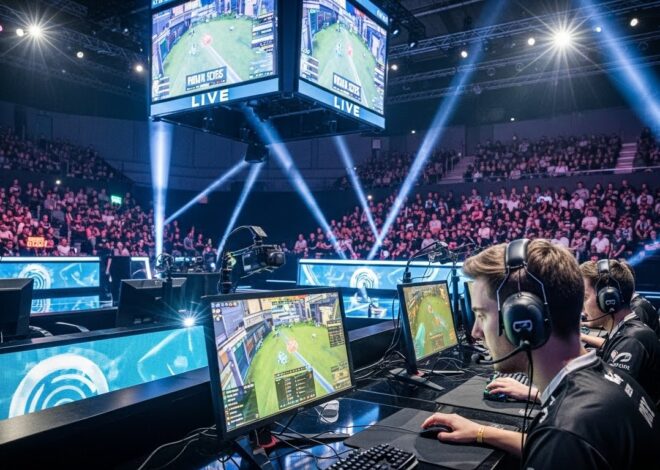
Live streaming services have revolutionized how esports is consumed. Platforms like Twitch, YouTube Gaming, and others offer real-time access to matches, allowing fans to watch their favorite teams and players from anywhere. High-quality production with expert commentary enhances the viewing experience.
Live Events and Tournaments
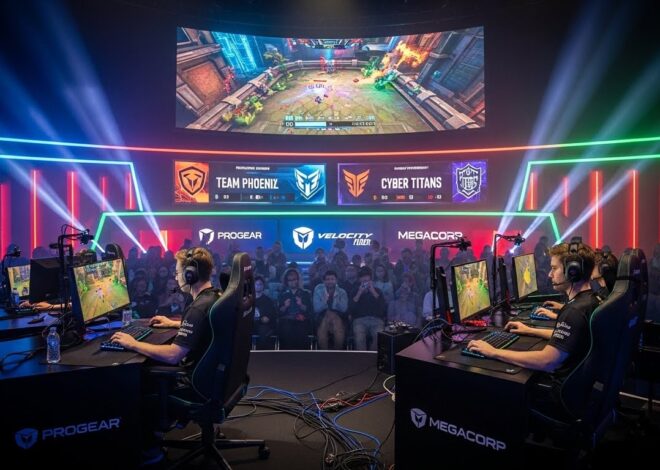
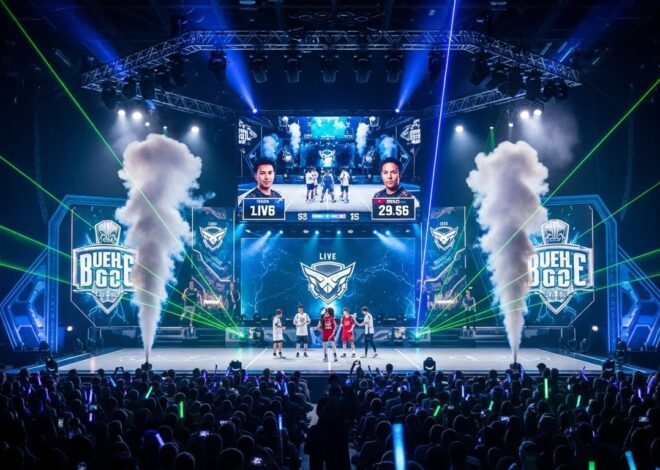
Major tournaments fill large arenas and convention centers, creating electrifying atmospheres comparable to traditional sports events. Fans gather to witness high-stakes matches, participate in cosplay, and engage in community activities.
Community and Fan Engagement
Esports communities are highly interactive, with fans connecting through social media, forums, and live chats. The shared enthusiasm fosters a strong sense of belonging and identity.
The Business of Esports: Revenue Streams and Market Growth
Esports is a multi-billion-dollar industry supported by diverse revenue sources.
Sponsorship and Advertising
Brands sponsor teams, tournaments, and individual players, leveraging esports’ reach to connect with a younger demographic. Sponsorship deals can include branded content, product placements, and endorsements.
Media Rights and Broadcasting Deals
Tournament organizers sell broadcasting rights to streaming platforms, generating significant income. Exclusive media deals help fund prize pools and production costs.
Merchandise and Ticket Sales
Sales of team merchandise such as jerseys, hats, and accessories contribute to revenue. Live event ticket sales also provide substantial income and fan engagement.
Prize Money and Player Earnings
Prize pools have grown exponentially, sometimes exceeding millions of dollars. Players also earn through salaries, streaming revenue, and sponsorships.
Game Publisher Involvement
Game publishers often organize and fund esports competitions, controlling intellectual property and shaping competitive ecosystems.
Challenges Facing the Esports Industry
Despite rapid growth, esports faces several challenges that could affect its sustainability.
Player Health and Burnout
The intense demands of training and competition can lead to physical and mental exhaustion. Addressing player well-being is critical.
Integrity and Fair Play
Cheating, doping, and match-fixing threaten esports’ credibility. Robust regulatory frameworks are necessary to uphold integrity.
Accessibility and Inclusivity
Barriers such as high costs, infrastructure limitations, and social stigma restrict participation. Promoting diversity and inclusion is vital for growth.
Market Saturation and Audience Retention
The abundance of tournaments and content can overwhelm viewers. Maintaining high-quality, engaging events is essential to keep audiences invested.
The Future of Esports: Innovation and Expansion
The trajectory of esports points toward continued innovation and global expansion.
Emerging Technologies
Virtual reality, augmented reality, and cloud gaming will enhance gameplay and viewing experiences, making esports more immersive and accessible.
Education and Career Pathways
More universities and institutions offer esports scholarships and programs, preparing students for diverse careers in the industry.
Global Market Growth
Developing regions in Southeast Asia, Latin America, and Africa represent significant growth opportunities due to increasing internet access and youthful populations.
Cross-Industry Collaborations
Partnerships between esports, traditional sports, entertainment, and technology sectors will create new experiences and revenue streams.
Sustainability and Social Responsibility
The industry is increasingly focusing on sustainable practices and positive social impact to ensure long-term success.
Conclusion: Esports as a Catalyst for a New Sporting Era
Esports has redefined competition and entertainment in the digital age. It combines the thrill of traditional sports with the innovation of technology, creating new ways for people to connect, compete, and engage. The industry’s growth presents opportunities and challenges, but its impact on culture, economy, and technology is undeniable.
As esports continues to evolve, it will foster talent, entertain millions, and influence how the world perceives sports and competition. The digital arena is here to stay, shaping the future of global entertainment.