How Twitch Revolutionized the Way the World Watches Esports
Introduction
In the last two decades, the world has witnessed a remarkable transformation in entertainment, competition, and digital culture. One of the most fascinating and rapidly growing phenomena to emerge from this technological era is Esports. What began as casual gaming among friends has evolved into a multibillion-dollar global industry, captivating millions of fans and players across continents. Esports, short for electronic sports, refers to organized video game competitions where professional players and teams battle for prestige, sponsorships, and massive prize pools. It is no longer just a niche hobby but a legitimate form of competitive entertainment that rivals traditional sports in viewership, excitement, and influence.
This blog delves deep into the dynamic world of Esports—its history, evolution, global impact, key games, careers, and the culture that surrounds it. From humble beginnings to stadium-packed events, Esports has redefined how we perceive competition and entertainment in the digital age.
The Early Beginnings of Esports
The story of Esports begins long before high-definition screens and global online platforms existed. The roots of competitive gaming can be traced back to the early 1970s when video games first emerged as a cultural phenomenon. In 1972, Stanford University hosted one of the earliest recorded gaming competitions for the game “Spacewar!” Students competed for a prize of a magazine subscription, marking the birth of what would later become Esports.
As the 1980s arrived, the popularity of arcade games like “Pac-Man,” “Donkey Kong,” and “Space Invaders” led to the creation of high-score competitions. Arcades became battlegrounds for gamers trying to achieve the top score, and gaming magazines began publishing leaderboards. These competitions were simple yet essential in shaping the foundation of competitive gaming culture.
By the early 1990s, with the rise of home consoles such as the Nintendo Entertainment System and Sega Genesis, competitive gaming expanded further. Games like “Street Fighter II” and “Mortal Kombat” brought the idea of player-versus-player competition into living rooms worldwide. Local tournaments and early gaming conventions provided platforms for enthusiasts to showcase their skills. Although technology was limited, the spirit of competition and community that defines Esports today was already alive.
The Internet Revolution and Online Gaming
The late 1990s and early 2000s marked a turning point for Esports. The advent of the internet transformed gaming forever. Multiplayer online games allowed players from around the world to compete in real-time without being in the same location. Titles such as “Quake,” “StarCraft,” and “Counter-Strike” became early Esports legends.
South Korea played a crucial role during this period. Fueled by advanced internet infrastructure and a passionate gaming culture, South Korea became the epicenter of professional gaming. Television channels began broadcasting matches, and players became national celebrities. Games like “StarCraft” established Esports as a serious profession. Teams were formed, sponsors emerged, and tournaments drew massive audiences.
Meanwhile, in the West, competitive scenes for games like “Halo,” “Call of Duty,” and “Counter-Strike” began to develop. The combination of faster internet, better gaming hardware, and online communities led to the formation of organized leagues. The dream of being a professional gamer started to become a reality for thousands.
The Explosion of Global Esports
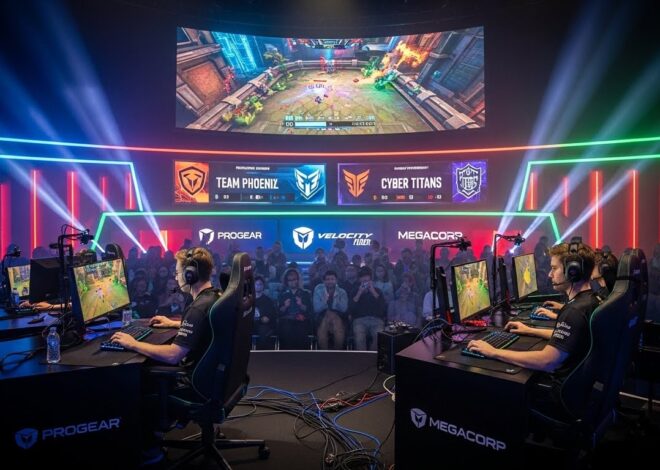
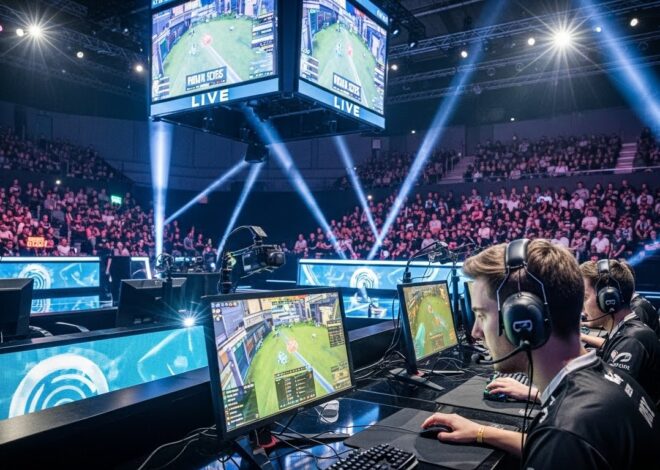
By the 2010s, Esports had evolved into a worldwide phenomenon. Live streaming platforms such as Twitch revolutionized the way people consumed gaming content. Suddenly, anyone could watch their favorite players and tournaments from anywhere in the world. Major Esports titles like “League of Legends,” “Dota 2,” “Overwatch,” and “Fortnite” began dominating the scene, each with millions of active players and viewers.
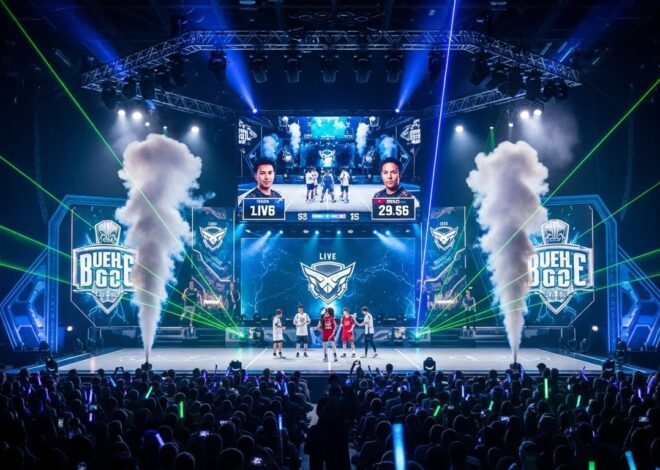
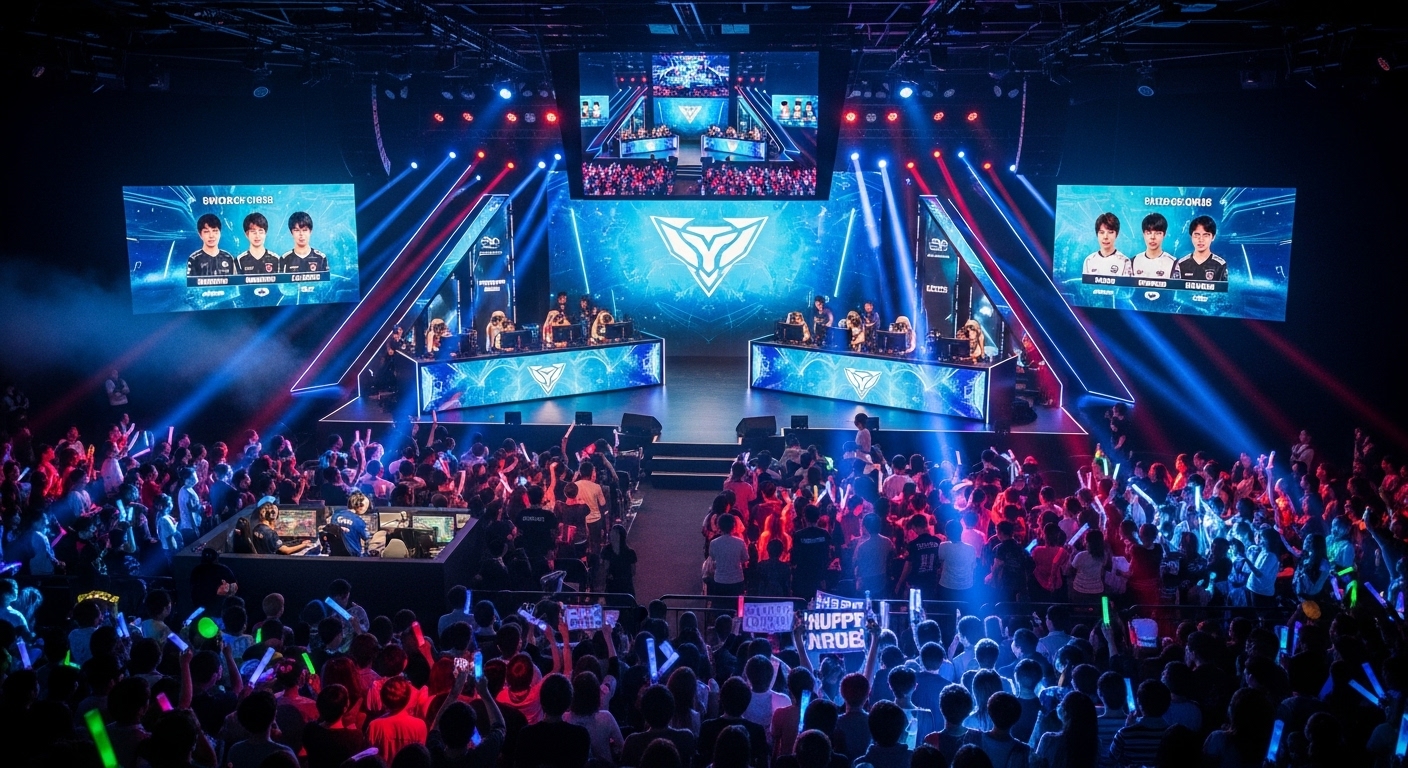
The scale of tournaments grew dramatically. Events like “The International” for Dota 2, “League of Legends World Championship,” and “Fortnite World Cup” attracted stadium-sized crowds and online audiences in the tens of millions. The prize pools reached staggering figures—sometimes surpassing the earnings of traditional sports tournaments. The 2019 Dota 2 International, for example, had a prize pool exceeding 30 million dollars.
Professional Esports organizations began to emerge, mirroring traditional sports teams with coaches, analysts, nutritionists, and sponsorship deals. Players signed contracts, received salaries, and became influencers with massive fan followings. Esports had entered the mainstream.
The Games That Defined Esports
The diversity of Esports titles reflects the wide range of gaming genres and audiences. Each game contributes uniquely to the Esports ecosystem.
1. League of Legends (LoL):
Developed by Riot Games, this multiplayer online battle arena game became one of the most iconic Esports titles in history. Its strategic depth, team coordination, and frequent updates have maintained its popularity for over a decade. The annual World Championship is a global spectacle, complete with grand ceremonies and millions of viewers.
2. Dota 2:
A spiritual successor to the “Warcraft III” mod Defense of the Ancients, Dota 2 is known for its complexity and massive prize pools. Its tournaments, particularly The International, have set records in the Esports world, both in terms of production and fan engagement.
3. Counter-Strike: Global Offensive (CS:GO):
A first-person shooter that has remained dominant for over two decades. Its simplicity, tactical depth, and thrilling gameplay make it one of the cornerstones of Esports.
4. Fortnite:
Blending battle royale gameplay with creativity and building mechanics, Fortnite became a cultural phenomenon. Its Esports scene, backed by huge prize pools, attracted both casual and professional players.
5. Valorant:
A newer title that combines tactical shooting with unique character abilities, Valorant quickly rose to prominence and became a major competitive title within a few years of release.
These games, among others, have shaped the identity of modern Esports and contributed to its widespread appeal.
The Esports Industry and Economy
Esports is not just a form of entertainment—it is a thriving industry. The global Esports market has grown exponentially, driven by sponsorships, advertising, ticket sales, and merchandise. Major brands like Coca-Cola, Intel, Red Bull, and Nike have invested heavily in Esports, recognizing its immense potential for reaching younger audiences.
Media rights have become another significant revenue stream. Esports events are broadcast on mainstream networks and digital platforms, bringing in millions of dollars in partnerships. Prize money is only one aspect of a professional player’s income; many also earn through streaming, endorsements, and content creation.
Cities around the world have started building dedicated Esports arenas, and universities now offer scholarships and degrees in Esports management and gaming studies. Governments, particularly in Asia and Europe, recognize Esports as an official sport, complete with regulations and national teams.
The economic ripple effect of Esports extends far beyond players and teams. Event organizers, casters, game developers, content creators, and even data analysts all contribute to a vast ecosystem that sustains the industry.
The Cultural Impact of Esports
Esports has become a cultural movement. It represents a new generation’s way of engaging with entertainment and competition. Unlike traditional sports that often require physical proximity and specific facilities, Esports transcends geography and physical limitations. Anyone with a computer or console and an internet connection can participate, whether as a player or a viewer.
The culture of Esports thrives on community. Online forums, fan art, memes, and social media interactions have created vibrant digital ecosystems where players and fans share strategies, stories, and humor. Esports events are celebrated with the same passion as traditional sports finals, complete with cheering fans, team jerseys, and chants.
The storytelling within Esports is also unique. Players often rise from obscurity, honing their skills at home before being discovered by teams. This underdog-to-hero narrative resonates deeply with fans, emphasizing dedication, talent, and perseverance.
Esports has also played a significant role in breaking stereotypes. It demonstrates that gaming is not just a pastime but a legitimate career path and a form of art and expression.
The Role of Technology in Esports
The progress of Esports is tightly interwoven with technological innovation. High-speed internet, powerful gaming hardware, and advanced graphics engines have made competitive gaming more accessible and immersive.
Streaming technology has democratized content creation, allowing fans to connect directly with their favorite players. Platforms have enabled real-time interaction between audiences and gamers, blurring the line between spectator and participant.
Virtual reality (VR) and augmented reality (AR) promise to add new dimensions to competitive gaming, potentially redefining how future Esports are experienced. Artificial intelligence and data analytics are also becoming vital in strategy development, player training, and audience engagement.
The continual evolution of technology ensures that Esports will remain at the forefront of digital entertainment for years to come.
Esports as a Career Path
What was once considered a hobby is now a viable career. Beyond professional players, there are countless roles within the Esports ecosystem. Coaches analyze gameplay and design strategies; commentators (known as casters) bring the excitement of matches to life; event organizers ensure tournaments run smoothly; and marketing professionals help teams grow their brands.
For aspiring players, the journey is rigorous. It demands dedication, discipline, and hours of daily practice. Many start young, competing in online ladders or amateur tournaments. As the scene becomes more competitive, scouting systems identify rising talents, similar to traditional sports academies.
Educational institutions have recognized this trend. Universities in several countries offer Esports scholarships and academic programs focused on business, management, and technology within the gaming industry. This formal recognition highlights Esports’ legitimacy as a professional field.
Challenges Facing Esports
Despite its rapid growth, Esports faces several challenges. Player burnout is a serious issue due to long training hours and mental pressure. Unlike traditional sports, the average career span of an Esports player is relatively short, often less than five years.
Toxic behavior and online harassment also plague the community, requiring stronger moderation and community management. Issues of fairness, such as cheating and match-fixing, have occasionally damaged the credibility of competitions.
Moreover, the lack of a unified global regulatory body creates inconsistencies in rules and standards across regions. As Esports grows, establishing fair play, transparency, and professionalism remains a top priority.
The Future of Esports
The future of Esports appears brighter than ever. With the continued expansion of digital entertainment, Esports is poised to become a dominant form of global competition. Major corporations, traditional sports organizations, and media networks are investing heavily, ensuring its long-term sustainability.
Esports may eventually be included in international sporting events such as the Olympics, signaling full recognition of its status as a legitimate sport. Advancements in virtual reality, artificial intelligence, and metaverse integration will further blur the line between gaming and reality, creating immersive and interactive experiences for players and fans alike.
As younger generations grow up with gaming as a normal part of their lives, Esports will likely hold the same cultural significance as football, basketball, or cricket. It is not just the future of gaming but a cornerstone of digital culture.
Conclusion
Esports has come a long way from its humble beginnings in university basements and arcades to filling arenas and capturing the attention of millions worldwide. It embodies the essence of modern entertainment—interactive, innovative, and inclusive. The rise of Esports signifies more than just the popularity of video games; it represents the merging of technology, creativity, and human competition.
In a world that increasingly values digital interaction, Esports stands as a powerful symbol of connection and achievement. It has created opportunities, communities, and careers that were unimaginable a few decades ago. Whether you are a player, a fan, or a casual observer, the world of Esports invites you to witness history in motion—a digital revolution reshaping how humanity competes, celebrates, and dreams.