
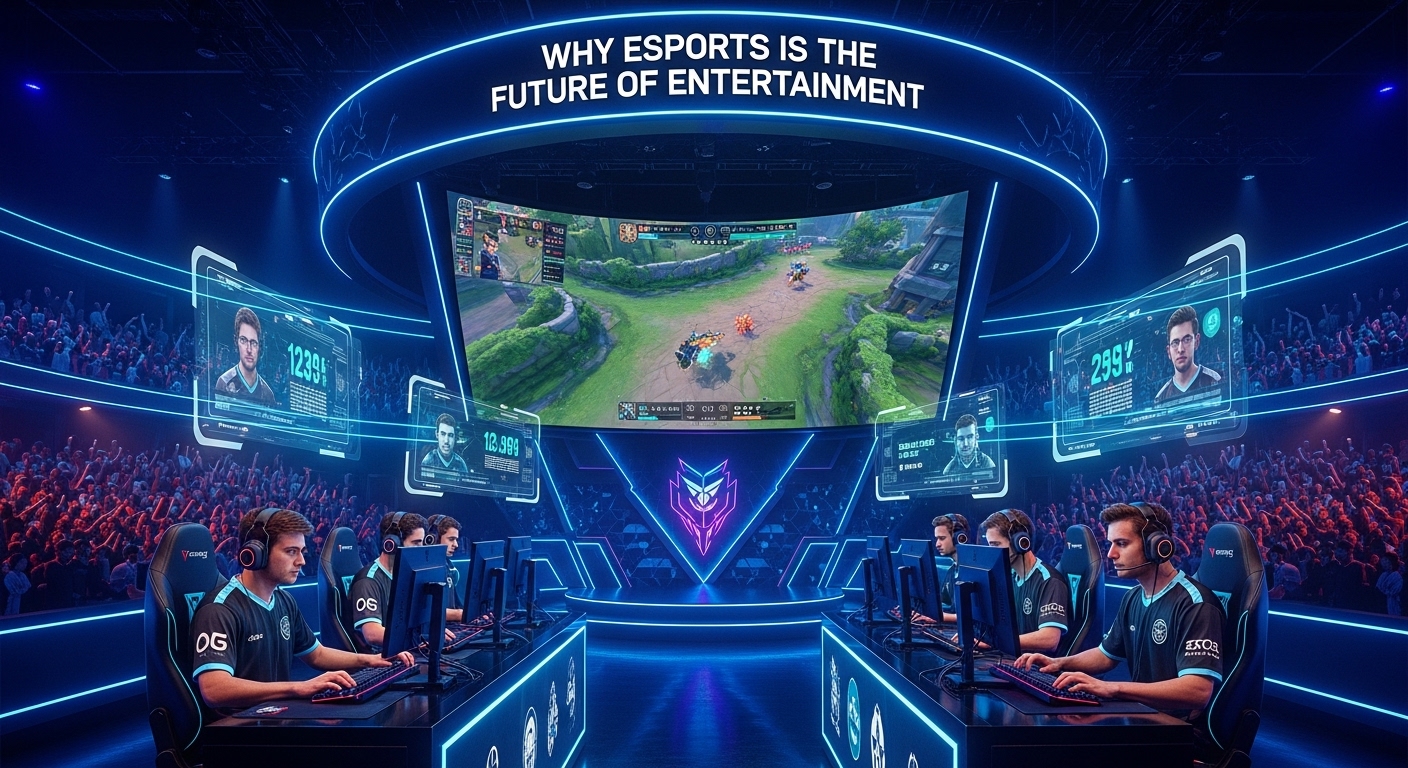
How Esports Changed the Gaming Industry Forever
Introduction
The gaming industry has gone through massive transformations over the past few decades. From the pixelated days of Pac-Man and Tetris to the hyper-realistic graphics of modern titles, video games have always been about entertainment and innovation. But one particular movement has reshaped the industry more than any technological advancement: Esports.
Competitive gaming, once a niche hobby, has exploded into a multi-billion-dollar industry that rivals traditional sports. With professional players, packed arenas, lucrative sponsorships, and millions of online viewers, esports has permanently changed how games are made, marketed, and consumed.
In this article, we’ll dive into the history of esports, its economic impact, cultural influence, technological advancements, and the way it has transformed gaming into a global phenomenon. By the end, you’ll understand why esports isn’t just a trend—it’s a revolution that changed the gaming industry forever.
The Origins of Esports
Esports may feel like a modern invention, but its roots go back decades. The first recorded video game competition took place in 1972 at Stanford University, where students competed in Spacewar! for a year’s subscription to Rolling Stone. Fast forward to 1980, Atari held the Space Invaders Championship, drawing 10,000 participants across the United States.
During the 1990s, the arrival of home consoles, faster PCs, and local multiplayer experiences allowed gamers to compete in titles like Street Fighter II and Quake. LAN parties became the breeding ground for competitive play, and tournaments like the Cyberathlete Professional League (CPL) paved the way for professional esports.
But the real explosion came in the 2000s, with the rise of the internet. Online play in games like StarCraft, Counter-Strike, and Warcraft III connected players globally, building communities and competitions that transcended geographical barriers. South Korea became the epicenter of esports, with televised matches, professional teams, and dedicated training facilities.
Esports and the Rise of Streaming Platforms
A pivotal shift in esports came with the growth of streaming platforms like Twitch and YouTube Gaming. For the first time, anyone could watch professional players, learn strategies, and follow tournaments live.
This democratized esports viewing in ways television never could:
- Accessibility: Fans could tune in from anywhere in the world.
- Community Interaction: Chat features allowed fans to connect in real time.
- Player Personalities: Streamers built their own fanbases, making esports more about personalities and entertainment than just competition.
By 2024, esports tournaments rival traditional sporting events in viewership. The League of Legends World Championship and The International (Dota 2) often attract tens of millions of viewers—comparable to the NBA Finals or the World Series.
Economic Impact: From Hobby to Billion-Dollar Industry
Esports has transformed gaming into a legitimate profession. Players, once mocked for spending hours in front of screens, now earn six- and seven-figure salaries. Revenue streams include:
- Sponsorships and Advertising
Global brands like Coca-Cola, Nike, and Intel invest heavily in esports sponsorships. These partnerships validate esports as mainstream entertainment. - Media Rights and Broadcasting
Platforms like Twitch, YouTube, and even ESPN broadcast esports tournaments. Exclusive streaming rights generate massive profits. - Merchandising and Ticket Sales
Just like traditional sports, esports teams sell jerseys, gaming gear, and tickets to live events. Packed arenas in Los Angeles, Seoul, and Shanghai prove its mainstream popularity. - Game Sales and In-Game Purchases
Esports has driven massive sales in games like League of Legends, CS:GO, and Fortnite. In-game purchases such as skins, battle passes, and exclusive cosmetics add billions in revenue.
According to Newzoo, the global esports market surpassed $1.5 billion in revenue in 2023 and continues to grow.
How Esports Changed Game Development
Before esports, developers primarily designed games for solo or casual play. Today, esports has influenced every aspect of game creation:
- Competitive Balance: Developers focus on fairness, ensuring no single character or weapon is too overpowered.
- Live Service Models: Games like Valorant and Apex Legends evolve constantly with patches, new characters, and balancing updates to maintain competitive integrity.
- Spectator Mode: Many games now include tools that enhance viewing, such as replays, camera angles, and overlays for broadcasting.
- Community Feedback: Esports communities shape development, as player feedback directly impacts updates and patches.
Esports has effectively turned game development into a collaboration between developers, pros, and fans.
The Professionalization of Gaming
Esports transformed gamers into athletes. Top players sign contracts, train for hours daily, and compete under structured organizations. Professionalization includes:
- Training Facilities: Teams like T1, Cloud9, and Fnatic have gaming houses with coaches, nutritionists, and analysts.
- Sponsorships and Endorsements: Just like traditional athletes, esports players land deals with brands like Red Bull, Adidas, and Logitech.
- Scholarships and Education: Universities worldwide now offer esports scholarships, legitimizing competitive gaming as a career path.
This professional ecosystem proves esports is no longer just a pastime but a structured career with global opportunities.
Esports as a Cultural Phenomenon
Esports has gone far beyond gaming—it’s now part of global pop culture.
- Mainstream Recognition
Esports events sell out arenas like Madison Square Garden and the Staples Center. In 2018, the League of Legends World Championship drew over 100 million viewers, comparable to the Super Bowl. - Celebrity Involvement
Stars like Drake, Post Malone, and Michael Jordan have invested in esports organizations, further legitimizing the industry. - Crossover with Traditional Sports
NBA teams like the Philadelphia 76ers and NFL owners like Robert Kraft own esports teams. The line between sports and esports is blurring. - Fashion and Lifestyle
Esports-inspired streetwear, collaborations with brands like Nike and Puma, and gaming-themed music concerts have cemented esports as part of lifestyle culture.
Technological Advancements Driven by Esports
Esports has also pushed innovation in technology:
- Hardware: Demand for high-performance PCs, monitors, and peripherals skyrocketed. Brands like Razer, Corsair, and Alienware thrive because of esports.
- Internet Infrastructure: Esports accelerated demand for high-speed internet and low-latency connections.
- Virtual Reality and Augmented Reality: While still emerging, VR esports events are on the horizon, promising immersive spectator experiences.
- Data Analytics: Teams use AI and big data to analyze player performance, optimize strategies, and gain competitive edges.
The industry’s growth fuels innovation not just in gaming but in broader tech sectors.
The Social Impact of Esports
Esports has redefined social interaction and community building:
- Global Connectivity: Players from different countries can compete, collaborate, and form friendships.
- Inclusion and Diversity: While challenges remain, more women, LGBTQ+ players, and people from diverse backgrounds are entering esports.
- Career Opportunities: Beyond playing, esports has created jobs in coaching, broadcasting, content creation, event management, and marketing.
- Youth Engagement: Esports gives younger generations new ways to compete, express themselves, and even pursue higher education.
Challenges Facing Esports
Despite its success, esports faces hurdles:
- Player Burnout: Intensive schedules often lead to physical and mental health issues.
- Regulation: Unlike traditional sports, esports lacks unified governing bodies, leading to inconsistent rules and tournament structures.
- Cheating and Integrity Issues: Hacking, match-fixing, and doping remain concerns.
- Diversity and Inclusion: Female players and marginalized groups still face harassment and underrepresentation.
Addressing these challenges will be key to ensuring esports continues to thrive long term.
The Future of Esports
Looking ahead, esports is poised for even bigger growth:
- Olympics and Global Recognition
The International Olympic Committee has already acknowledged esports. Future Olympics may feature esports as an official event. - Mobile Esports
Games like PUBG Mobile and Mobile Legends are making esports accessible to billions, especially in Asia and Latin America. - Virtual Reality Integration
VR could bring new genres of esports where physical movement and digital gaming merge. - Metaverse and Web3
Esports may expand into virtual worlds where fans can attend events as avatars, creating fully immersive experiences. - Educational Pathways
More universities will incorporate esports into curricula, offering degrees in gaming, event management, and digital media.
The future is limitless, and esports is leading the charge.
Conclusion
Esports has fundamentally reshaped the gaming industry. What began as small tournaments in arcades and college campuses has become a global entertainment powerhouse, rivaling traditional sports in viewership, revenue, and cultural relevance.
It has influenced how games are developed, created new careers, fostered global communities, and accelerated technological advancements. Esports is more than just a competition—it’s a movement that changed gaming forever.
