Esports Unleashed: The Rise of Competitive Gaming as a Global Phenomenon
In the last two decades, esports has transformed from a niche pastime into a global entertainment powerhouse. Competitive gaming, once confined to small tournaments and internet cafés, now fills stadiums, attracts millions of online viewers, and generates billions of dollars in revenue. Esports is no longer just a hobby—it is a legitimate career path, a cultural movement, and a rapidly evolving industry. This article explores the history, growth, cultural impact, and future of esports, highlighting why it has become one of the most influential forms of modern entertainment.
The Origins of Competitive Gaming
The roots of esports can be traced back to the early days of video gaming. In the 1970s, video games like Pong and Spacewar were not only entertainment but also opportunities for players to compete against each other. The first widely recognized video game competition took place in 1972 at Stanford University, where players competed in Spacewar for a modest prize. While primitive by today’s standards, these early competitions demonstrated that gaming could be competitive and social.
During the 1980s and 1990s, arcades and home consoles became central to competitive gaming. Games such as Pac-Man, Street Fighter, and Super Mario attracted enthusiastic players who competed locally for high scores or bragging rights. However, it wasn’t until the advent of the internet that competitive gaming began to scale globally. Online multiplayer games like Doom, Quake, and StarCraft allowed players from different locations to compete against one another, forming the foundations of modern esports leagues.
The Rise of Professional Esports
The 2000s marked a turning point for competitive gaming. In South Korea, StarCraft: Brood War became a national obsession, with professional leagues, televised matches, and player fanbases rivaling those of traditional sports. Players trained full-time, had dedicated coaches, and were often contracted to professional teams. This model of professionalization set the standard for esports worldwide.
In the West, competitive gaming was growing as well. Games like Counter-Strike, Warcraft III, and Halo attracted international players and formed the basis for organized tournaments. These competitions began to receive sponsorships from technology companies, energy drink brands, and hardware manufacturers. The combination of prize money, recognition, and media exposure encouraged more players to pursue esports seriously.
The release of League of Legends in 2009 marked another milestone. Riot Games, the developer, actively invested in creating a structured competitive environment with official leagues, global championships, and professional contracts. This approach not only attracted players but also established a dedicated fanbase that followed teams and tournaments with fervor.
Streaming: The Catalyst for Global Growth
One of the most transformative developments in esports was the rise of streaming platforms. Twitch, launched in 2011, provided a centralized platform for players and fans to engage in real time. Viewers could watch live matches, interact with players, and follow their favorite streamers around the clock. Platforms like YouTube Gaming further amplified esports’ reach, making competitive gaming accessible to millions worldwide.
Streaming not only increased the visibility of esports but also created new revenue streams. Professional players could monetize their content through subscriptions, donations, and sponsorships. Tournament organizers gained wider audiences, allowing for lucrative advertising and partnerships. The combination of accessibility, interactivity, and revenue generation helped esports grow into a sustainable global industry.
The Business of Esports
Esports is now a multi-billion-dollar industry with a diverse business model. Major corporations, including technology companies, sports brands, and beverage manufacturers, sponsor tournaments and teams. Professional organizations operate similarly to traditional sports teams, recruiting players, coaches, and analysts, and managing sponsorship deals and media relations.
Prize pools for major tournaments have grown exponentially. Events like The International for Dota 2 and the League of Legends World Championship offer millions of dollars in winnings, making esports a lucrative career for elite players. Additionally, esports organizations generate revenue from merchandise sales, content creation, and media rights. This commercial growth has attracted investors, further fueling the expansion of the industry.
Esports as a Career Path
Esports has created legitimate career opportunities beyond being a professional player. Commentators, analysts, event organizers, and content creators play vital roles in the ecosystem. Commentators provide insights, excitement, and storytelling during live matches, while analysts help teams develop strategies and improve performance. Event managers plan large-scale tournaments, ensuring smooth execution and engaging experiences for both players and fans.
The rise of esports education has also contributed to its professionalization. Universities worldwide now offer scholarships for esports athletes and academic programs in esports management, game design, and broadcasting. These initiatives provide students with the knowledge and skills needed to succeed in a rapidly growing industry.
The Cultural Impact of Esports
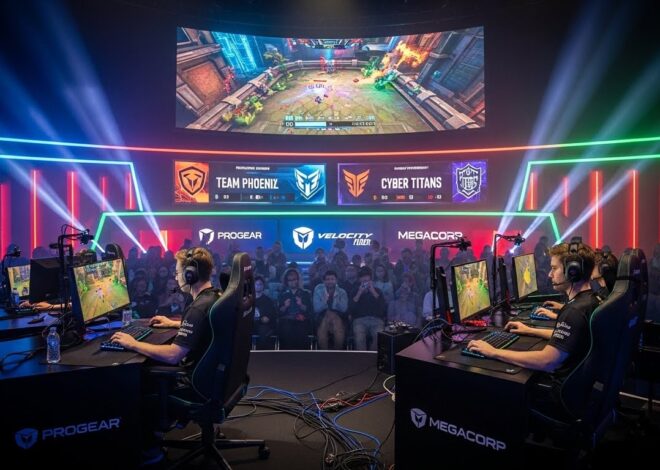
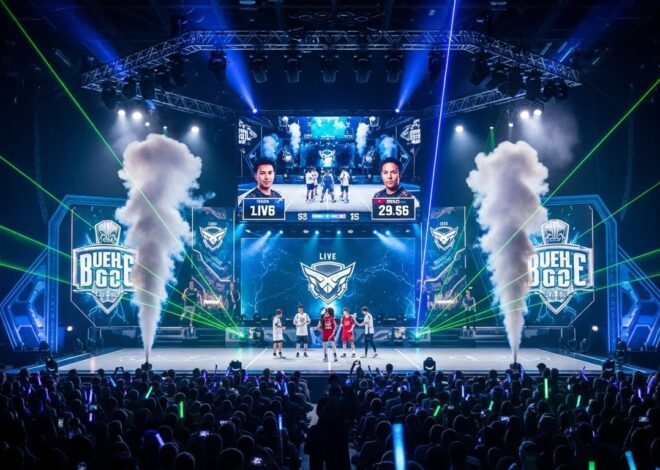
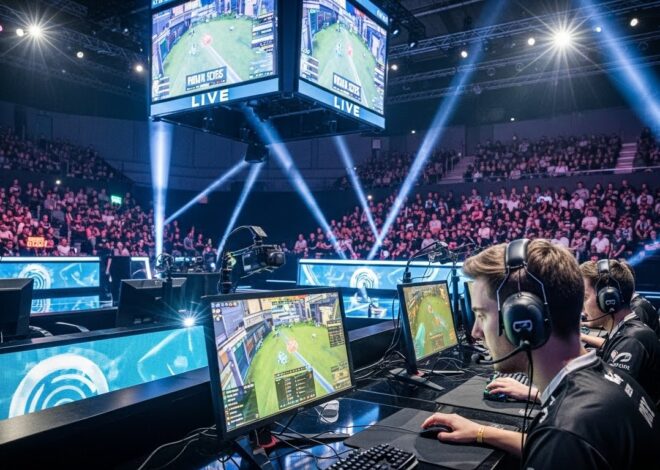
Esports has had a profound effect on popular culture. Gamers are no longer seen as solitary hobbyists; professional players are celebrated as athletes, influencers, and entertainers. Large-scale tournaments fill arenas, and millions more watch live online broadcasts, creating a global community of fans.
The social aspect of esports is particularly significant. Platforms like Discord, Reddit, and Twitch foster interaction among fans, enabling discussions about games, strategies, and players. Esports has also influenced music, fashion, and media, with artists performing at events, brands launching team apparel, and documentaries showcasing the lives of professional gamers.
This integration into mainstream culture has legitimized gaming as a career path and strengthened esports’ position as a cultural phenomenon. Younger generations now view gaming as a viable profession and a respected form of competition.
The Global Expansion of Esports
Esports has expanded far beyond its early hubs in North America, Europe, and South Korea. Countries across Asia, Latin America, and the Middle East are investing heavily in competitive gaming infrastructure. In China, esports is recognized as a legitimate sport, with government support, professional leagues, and massive fan engagement. Southeast Asia and India are seeing rapid growth due to increased access to smartphones, high-speed internet, and affordable gaming platforms.
Brazil has emerged as a major esports hub in Latin America, hosting large-scale tournaments and fostering homegrown talent. In the Middle East, nations like Saudi Arabia and the United Arab Emirates are creating esports academies and government-backed events to cultivate the next generation of players. This global reach demonstrates the universality of esports and its ability to connect people across cultures.
Challenges Facing Esports
Despite its rapid growth, esports faces challenges. Player health is a major concern, with long practice hours leading to physical strain, repetitive stress injuries, and mental fatigue. Burnout and stress are common among professional players, prompting organizations to provide wellness programs, psychological support, and structured practice schedules.
Regulation is another challenge. Esports lacks a centralized governing body, resulting in inconsistent rules, player contracts, and tournament standards. Cheating, match-fixing, and disputes over player rights remain ongoing issues. Standardization and governance will be essential to ensure fairness and long-term sustainability.
Inclusivity is also a critical consideration. While progress has been made, female players and underrepresented groups still face barriers in professional esports. Efforts to create inclusive tournaments, safe online environments, and equal opportunities are crucial for the continued growth and credibility of the industry.
The Future of Esports
The future of esports is bright, with technology and innovation driving new opportunities. Virtual reality and augmented reality are poised to transform gameplay and spectator experiences. Fans could soon watch matches in immersive 3D environments or experience the perspective of professional players firsthand.
Esports is also expected to continue integrating with traditional sports. Major leagues such as the NBA and NFL have already invested in esports teams and tournaments. Hybrid events combining physical and digital competition may become more common, further expanding the reach of competitive gaming.
Global expansion will remain a focus, as emerging markets adopt esports at a rapid pace. Governments, investors, and developers are recognizing the economic and cultural potential of esports, making it a key sector in digital entertainment worldwide.
Conclusion
Esports has evolved from a small-scale hobby into a global cultural and economic force. It has reshaped the perception of gaming, created career opportunities, and fostered international communities. With its professional leagues, large prize pools, and global fanbase, esports has firmly established itself as a legitimate form of competition and entertainment.
Challenges remain, including player health, governance, and inclusivity, but the industry continues to adapt and grow. With advancements in technology, increased global engagement, and continued mainstream acceptance, esports is poised to remain a defining element of modern entertainment. The digital arena has become a stage for athletes, entertainers, and legends, and the journey of esports is only beginning.