
Esports: The Rise of Competitive Gaming in the Digital Era
Introduction
Esports, or electronic sports, has emerged as one of the fastest-growing entertainment industries in the world. It is no longer just a hobby for gamers; it has become a professional arena where skill, strategy, and teamwork are celebrated on a global scale. From local tournaments to international championships, esports connects millions of players and fans, transforming gaming into a serious competitive sport.
The Evolution of Esports
Esports has a fascinating history that mirrors the growth of video games themselves. Early competitive gaming began in the 1970s and 1980s with arcade competitions and local tournaments. The rise of the internet in the 1990s introduced online multiplayer games, paving the way for global competitions. Today, esports includes professional leagues, sponsored teams, and live-streamed tournaments watched by millions, making it a mainstream phenomenon in the world of sports and entertainment.
The Appeal of Esports
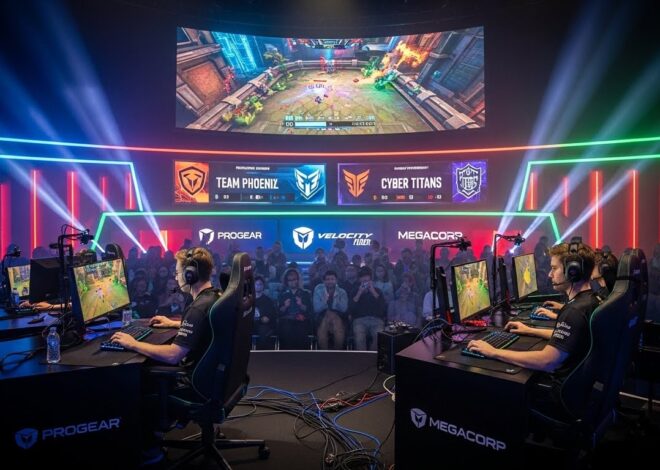
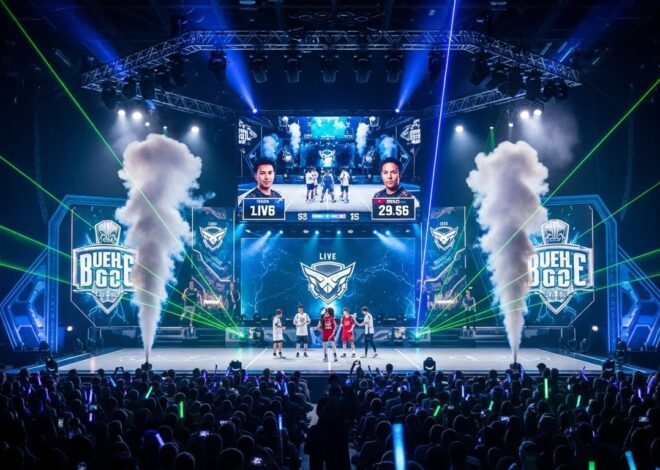
Esports attracts players and fans for several reasons. For players, it offers an opportunity to showcase skill, creativity, and strategy. For fans, it provides thrilling competition and a sense of community. Esports tournaments feature high-level gameplay, real-time strategy, and teamwork that rival traditional sports. The combination of entertainment, skill, and social interaction makes esports a unique and engaging experience.
Competitive Gaming and Skill Development
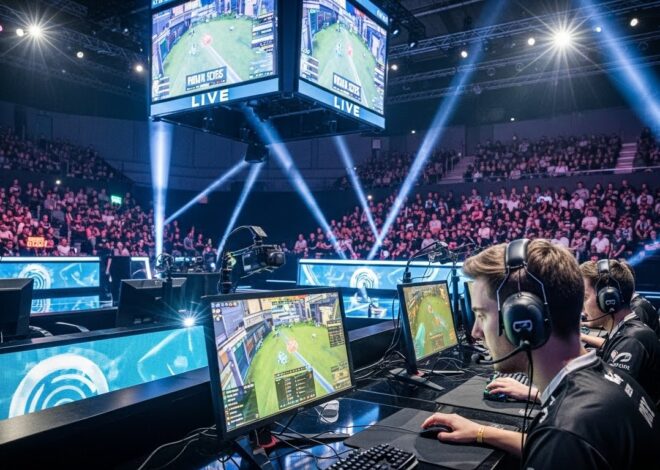
Esports is not just about playing games; it requires intense preparation and skill. Professional players spend hours practicing, studying opponents, and improving their strategies. Games like League of Legends, Dota 2, and Counter-Strike demand quick reflexes, critical thinking, and strong communication. Players develop discipline, focus, and teamwork skills, making esports both challenging and intellectually stimulating.
Esports as a Career
The professional esports industry has created numerous career opportunities. Players can earn salaries, sponsorships, and prize money through tournaments. Beyond playing, careers in coaching, game analysis, broadcasting, content creation, and event management have emerged. Esports has become a legitimate profession, proving that gaming can be both a passion and a sustainable career.
The Social and Cultural Impact of Esports
Esports fosters a global community, connecting players and fans from different countries and cultures. Online streaming platforms and live events allow people to watch, learn, and engage with their favorite players. Esports has also influenced pop culture, fashion, and media, bringing gaming into the mainstream. It encourages inclusivity and collaboration, showing that competition can unite rather than divide.
The Future of Esports
The future of esports is bright and full of potential. Advancements in virtual reality, artificial intelligence, and live streaming technology will create more immersive and interactive experiences. Esports is likely to continue growing as more educational institutions, businesses, and media platforms recognize its potential. The line between gaming, sports, and entertainment will continue to blur, offering endless opportunities for players and fans alike.
Conclusion
Esports has transformed gaming from a pastime into a global competitive phenomenon. It combines skill, strategy, and entertainment, while also providing career opportunities and fostering social connections. With its rapid growth and technological advancements, esports represents the future of digital competition and entertainment. For players and fans, it is not just a game—it is a world where talent, teamwork, and passion come together to create unforgettable experiences.