Esports Evolution: How Competitive Gaming Became a Global Phenomenon
Introduction
Esports, or competitive gaming, has transformed from a niche hobby into a worldwide entertainment and professional industry. Millions of players, fans, and organizations participate in tournaments, leagues, and live events across multiple genres of games. Esports is not just about playing video games; it represents competition, community, strategy, and innovation. From its humble beginnings in local gaming centers to massive arenas hosting international championships, esports has reshaped how we perceive sports, entertainment, and digital culture.
The Origins of Esports
The roots of esports can be traced back to the late 1970s and 1980s with arcade gaming competitions. Early events focused on high scores in popular arcade games, where players showcased skill, speed, and precision. As home computers and consoles became widespread, multiplayer games like Street Fighter, Mortal Kombat, and StarCraft introduced competitive play on a larger scale.
The late 1990s and early 2000s marked a turning point with the rise of online multiplayer games. Titles like Counter-Strike, Warcraft III, and Dota allowed players to compete globally through the internet, giving rise to organized tournaments and professional gaming communities. These developments laid the foundation for modern esports as a global industry.
The Growth of Professional Esports
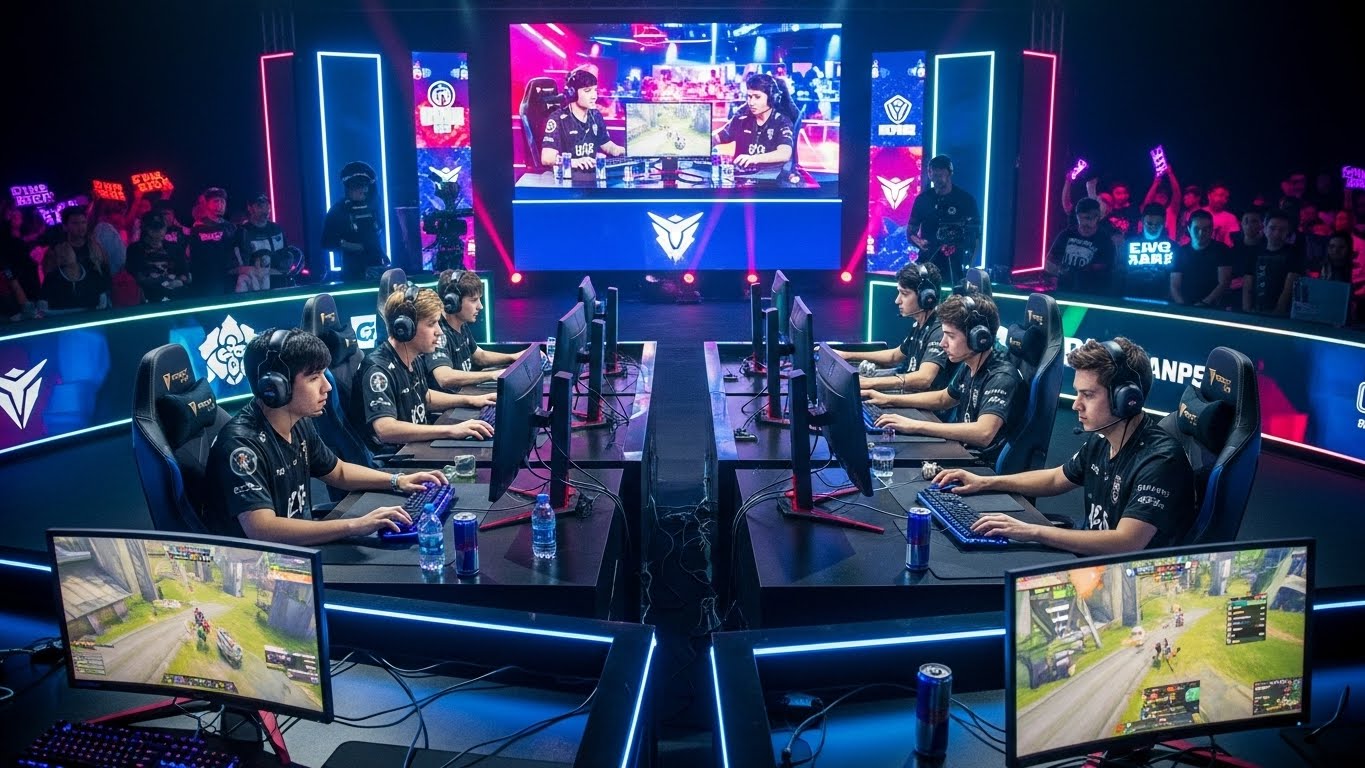
Esports has evolved into a structured, professional industry with players, teams, sponsors, and governing organizations. Professional esports athletes dedicate hours daily to training, strategy development, and team coordination. Leagues, tournaments, and championships offer prize pools in the millions, attracting top-tier talent from around the world.
Major esports organizations recruit, train, and manage players similarly to traditional sports teams. They provide coaching, nutrition guidance, performance analytics, and psychological support. The rise of esports has created career opportunities not only for players but also for coaches, analysts, commentators, content creators, and event organizers.
Popular Esports Genres and Games
Esports encompasses multiple genres, each with unique gameplay mechanics and competitive communities. Multiplayer Online Battle Arena (MOBA) games like League of Legends and Dota 2 focus on teamwork, strategy, and tactical execution. First-Person Shooters (FPS) like Counter-Strike: Global Offensive and Call of Duty test precision, reflexes, and coordination.
Fighting games such as Street Fighter and Tekken emphasize timing, skill, and prediction, while sports simulation games like FIFA and NBA 2K replicate real-world athletics in digital form. Battle royale games like Fortnite combine survival, strategy, and rapid decision-making. Each genre attracts different audiences and fosters specialized skills, contributing to the diversity and appeal of esports.
Esports Tournaments and Global Events
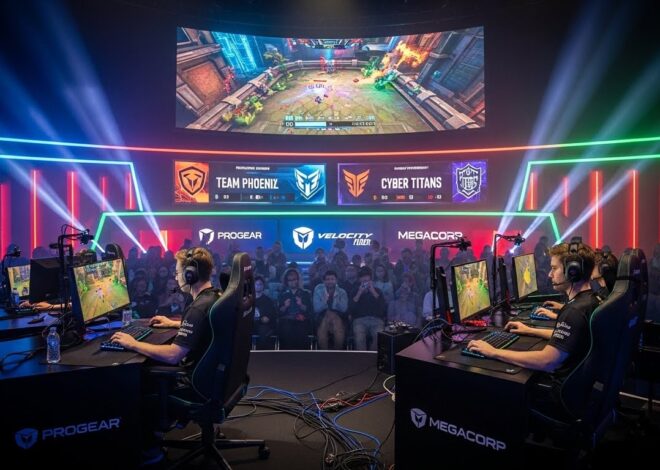
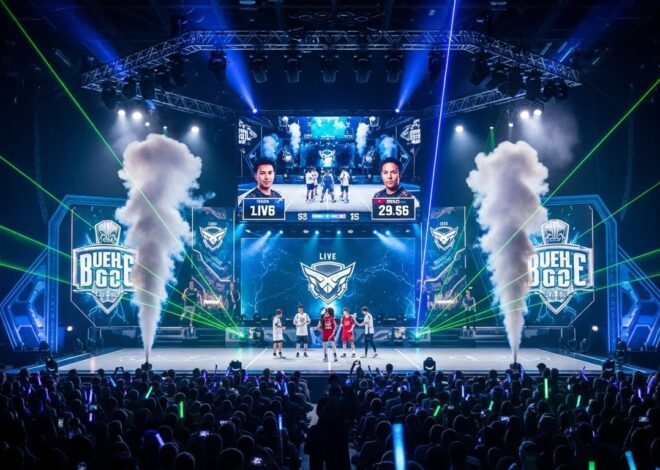
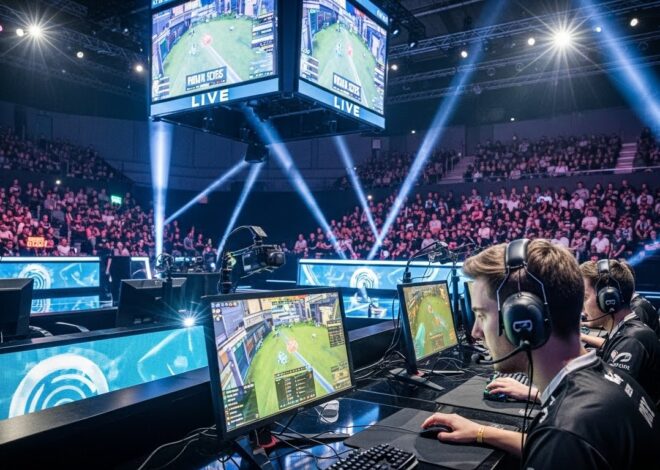
Tournaments and global competitions are central to the esports ecosystem. Events like The International for Dota 2, the League of Legends World Championship, and the Fortnite World Cup draw millions of viewers both online and in live venues. These competitions showcase the highest level of skill, teamwork, and strategy.
Esports events are broadcasted on streaming platforms, allowing fans worldwide to watch in real-time. Commentators and analysts enhance the viewing experience by explaining strategies, highlighting key moments, and building excitement. Global tournaments also foster a sense of community, connecting players and fans across cultures and continents.
The Role of Streaming Platforms
Streaming platforms have played a crucial role in the growth of esports. Platforms like Twitch, YouTube Gaming, and others enable players to broadcast gameplay, interact with fans, and build personal brands. Streamers engage audiences through live commentary, tutorials, and entertainment content.
Streaming not only supports professional players financially through subscriptions, donations, and sponsorships but also encourages grassroots participation in esports. It allows fans to learn strategies, study professional gameplay, and connect with like-minded communities. Streaming platforms have democratized esports, giving visibility to new talent and fostering global engagement.
Esports and Technology
Technology is at the core of esports. High-performance gaming hardware, fast internet connectivity, and advanced software are essential for competitive play. Gaming peripherals like precision mice, mechanical keyboards, and high-refresh-rate monitors enhance performance and responsiveness.
Artificial intelligence and analytics play a growing role in esports. Teams use data to analyze opponent strategies, improve individual skills, and develop game-specific tactics. Virtual reality and augmented reality are emerging technologies that may redefine esports experiences, creating immersive gameplay and interactive viewing opportunities. Technology ensures that esports continues to innovate and evolve alongside digital trends.
The Economic Impact of Esports
Esports is a multi-billion-dollar industry with significant economic impact. Revenue streams include sponsorships, advertising, media rights, merchandise, ticket sales, and streaming partnerships. Major brands from technology, apparel, and energy drinks actively sponsor teams and tournaments, recognizing esports as a lucrative marketing channel.
The economic influence extends beyond teams and tournaments. Event organizers, gaming hardware manufacturers, content creators, and digital platforms all contribute to job creation and revenue generation. The growth of esports demonstrates how digital entertainment can become a major economic driver while creating new professional opportunities worldwide.
Esports and Youth Engagement
Esports appeals to younger generations who have grown up in a digital environment. It promotes skills like strategic thinking, teamwork, communication, and quick decision-making. Unlike traditional sports, esports is accessible to people regardless of physical ability, creating an inclusive competitive space.
Many schools and universities now offer esports programs, scholarships, and competitive teams, recognizing its educational and developmental potential. Youth engagement in esports fosters digital literacy, collaboration, and critical thinking, preparing students for careers in gaming, technology, and related industries.
The Social and Cultural Influence of Esports
Esports has become a cultural phenomenon, influencing music, fashion, lifestyle, and media. Gaming culture shapes online communities, fan identities, and content creation. Professional players become influencers, role models, and public figures, inspiring millions of fans worldwide.
Esports also promotes social interaction, connecting players and audiences across borders. Online communities, forums, and fan groups facilitate discussions, collaborations, and shared experiences. The cultural impact of esports extends beyond gaming, influencing entertainment trends, social behavior, and digital interaction patterns.
Challenges Facing Esports
Despite its rapid growth, esports faces several challenges. Health and well-being are concerns, as players may experience physical strain, mental fatigue, and burnout. Long hours of practice and high-pressure competition require support systems and wellness initiatives.
Regulatory issues, such as fair play, match-fixing, age restrictions, and gambling integration, require oversight and governance. Additionally, inclusivity and diversity remain challenges, as esports communities continue to work toward equal representation and accessibility for all players. Addressing these challenges is essential for sustainable growth and credibility in the industry.
The Future of Esports
The future of esports is promising and dynamic. Emerging technologies like virtual reality, cloud gaming, and AI-driven analytics will continue to enhance gameplay and viewing experiences. Esports may increasingly merge with traditional sports, entertainment, and education, creating hybrid experiences for audiences.
Global adoption of esports will continue to expand, reaching new regions and demographics. Investments in infrastructure, player development, and professional leagues will strengthen the ecosystem. Esports is likely to gain further recognition as a legitimate competitive field, with potential inclusion in multi-sport events and international competitions.
Conclusion
Esports has evolved from small-scale gaming competitions into a global industry with cultural, economic, and social significance. It represents competition, strategy, skill, and community in the digital era. From professional athletes and global tournaments to streaming platforms and youth engagement, esports has redefined entertainment and competitive culture.
As technology advances and participation grows, esports will continue to shape the way people play, watch, and engage with games. Its impact reaches far beyond the digital screen, influencing culture, economy, education, and global communities. Esports demonstrates the power of play, strategy, and digital innovation in creating experiences that inspire, connect, and entertain millions of people worldwide.