Digital Arenas and New Champions: How Esports Is Redefining Competition
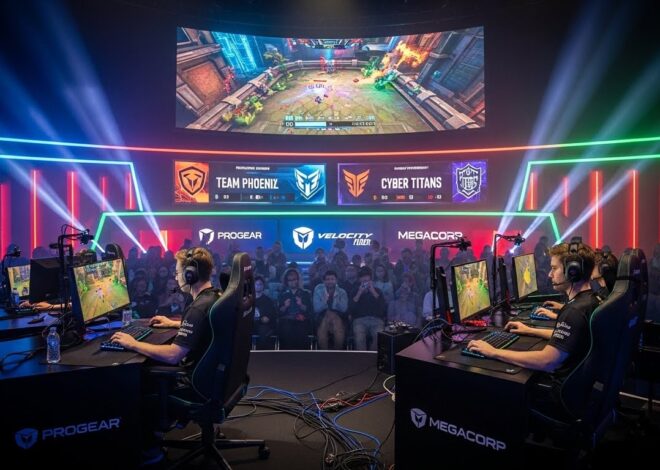
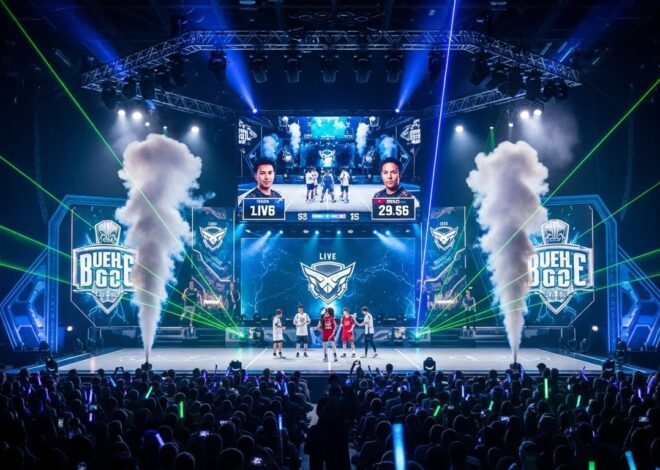
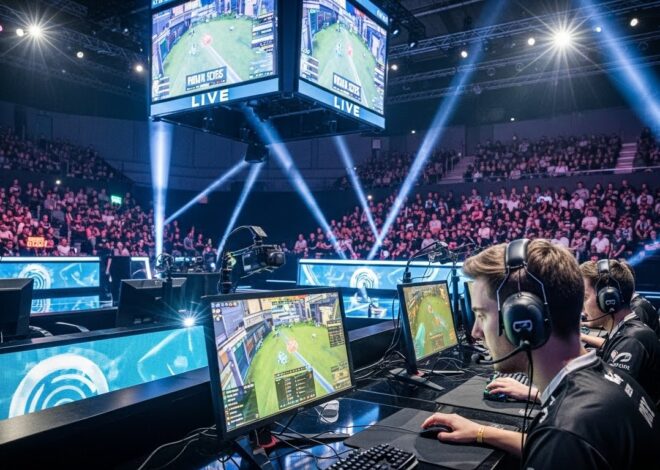
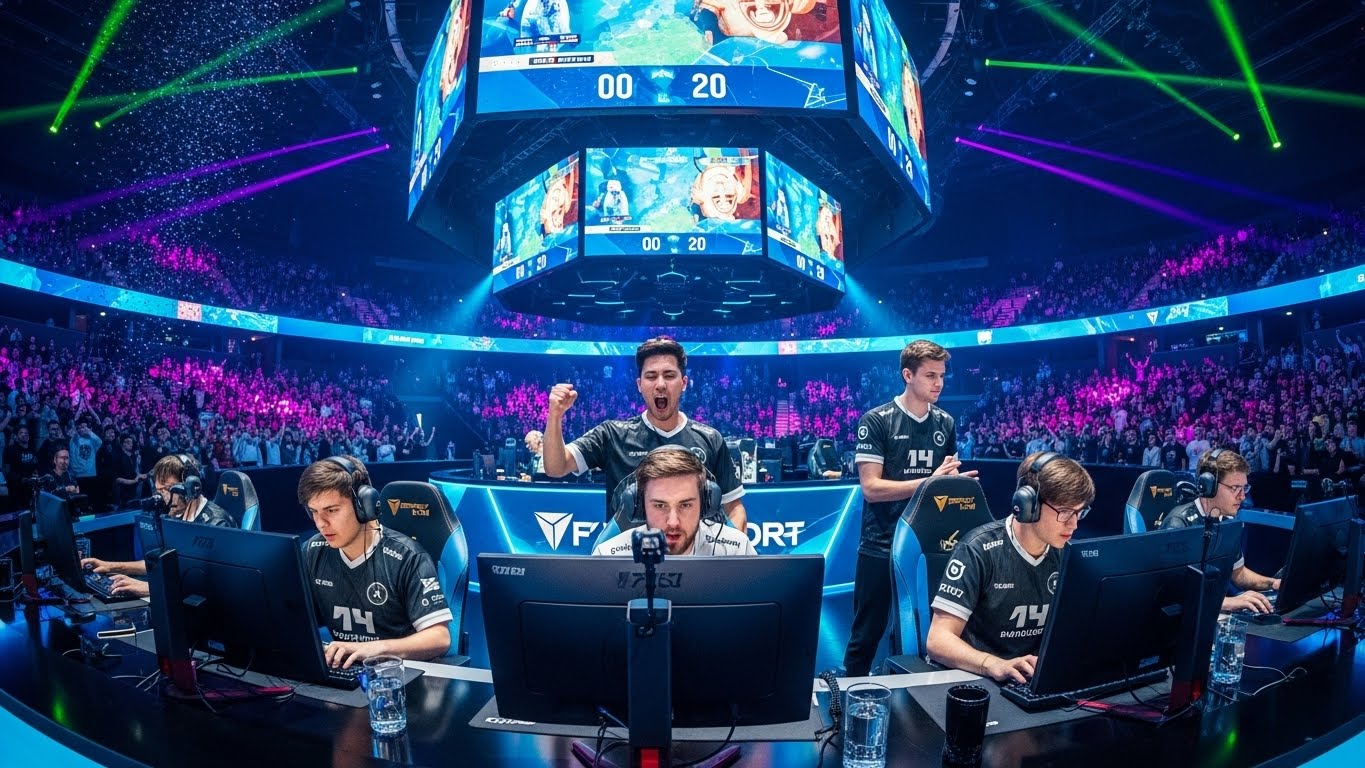
Esports has rapidly evolved from casual gaming sessions into one of the most influential forms of modern competition. What was once considered a pastime for hobbyists has transformed into a global industry featuring professional players, massive audiences, and high-stakes tournaments. Esports now stands at the intersection of technology, entertainment, and sport, reshaping how competition is defined in the digital age. This evolution is not only changing gaming culture but also influencing education, careers, and social interaction worldwide.
Understanding the Meaning of Esports
Esports, short for electronic sports, refers to organized competitive video gaming where individuals or teams compete in structured tournaments. These competitions can range from small local events to massive international championships watched by millions. Popular esports titles span multiple genres, including strategy, shooting, sports simulations, and battle arenas, each demanding unique skills and strategic thinking.
Unlike traditional gaming for leisure, esports emphasizes mastery, discipline, and performance under pressure. Players train rigorously, analyze gameplay data, and coordinate with teammates to achieve excellence. This structured and competitive nature is what elevates esports from casual play to a recognized form of sport.
The Early Journey of Competitive Gaming
The roots of esports can be traced back to the early days of video games, when players gathered in arcades to compete for high scores. As home consoles and personal computers became more accessible, competitive gaming moved into living rooms and local networks. Informal competitions gradually grew into organized events, driven by passionate communities and advancing technology.
The rise of online multiplayer gaming marked a turning point. Players could now compete across cities and countries, expanding the reach of competitive gaming. Over time, dedicated leagues, sponsorships, and professional teams emerged, laying the groundwork for the esports industry as it exists today.
Esports as a Professional Career
One of the most significant developments in esports is its recognition as a legitimate career path. Professional esports players dedicate countless hours to training, refining their mechanics, and studying opponents. Their schedules often resemble those of traditional athletes, including practice sessions, strategy meetings, and physical fitness routines.
Beyond players, the esports ecosystem offers diverse career opportunities. Coaches, analysts, broadcasters, event organizers, graphic designers, and content creators all play vital roles. This expanding professional landscape has made esports an attractive industry for individuals with skills in technology, media, management, and creative fields.
Skills and Discipline Behind the Screens
Success in esports requires far more than fast reflexes. Players must demonstrate strategic thinking, teamwork, adaptability, and emotional control. Competitive matches often demand split-second decisions that can determine victory or defeat. Maintaining focus during long tournaments tests mental endurance and resilience.
Team-based esports, in particular, emphasize communication and collaboration. Players must coordinate strategies, trust their teammates, and adapt to dynamic situations. These skills are highly transferable, benefiting players in academic, professional, and personal environments.
Mental and Cognitive Benefits of Esports
Esports contributes significantly to cognitive development. Competitive gaming enhances problem-solving abilities, spatial awareness, memory, and multitasking skills. Players constantly analyze patterns, predict opponents’ actions, and adjust strategies in real time.
Additionally, esports teaches emotional regulation. Players experience intense pressure, unexpected losses, and high expectations. Learning to manage stress, remain composed, and recover from setbacks builds mental strength. These psychological benefits challenge outdated assumptions that gaming is unproductive or harmful.
Community and Social Connection
One of the most powerful aspects of esports is its sense of community. Fans and players connect through shared passion, forming global networks that transcend geography and culture. Online discussions, live chats, and fan events create spaces where individuals can engage, learn, and celebrate together.
For many, esports provides a sense of belonging. Communities welcome newcomers, encourage improvement, and recognize achievement. This inclusive environment helps combat isolation and fosters meaningful social interaction, especially in a digitally connected world.
The Role of Technology in Esports Growth
Technology is the backbone of esports. Advances in computing power, internet speed, and software development have made competitive gaming more immersive and accessible. High-performance gaming equipment, advanced analytics, and sophisticated game design contribute to the professional quality of esports events.
Streaming technology has revolutionized viewership, allowing fans to watch competitions live from anywhere. Interactive features enable real-time engagement between audiences and players, creating a participatory entertainment experience. As technology continues to evolve, esports will benefit from even greater innovation and reach.
Economic Influence of the Esports Industry
Esports has become a major economic force. Revenue streams include tournament prizes, sponsorships, advertising, merchandise, and media production. Brands recognize esports as a powerful way to engage younger, tech-savvy audiences, leading to increased investment and commercial growth.
This economic impact extends beyond professional play. Esports events boost local economies through tourism, hospitality, and employment. Educational institutions and training programs also contribute to workforce development, preparing individuals for roles within the growing industry.
Education and Esports Integration
Educational institutions are increasingly embracing esports as a learning tool. Schools and universities offer esports clubs, scholarships, and academic programs focused on gaming and related fields. These initiatives teach teamwork, leadership, digital literacy, and strategic thinking.
Esports-based education also opens doors for students who may not connect with traditional sports or academic pathways. By aligning learning with students’ interests, esports programs promote engagement, motivation, and skill development in a modern educational context.
Inclusivity and Diversity in Esports
Esports has the potential to be one of the most inclusive competitive platforms. Since physical attributes are not the primary factor, players of different genders, abilities, and backgrounds can compete on equal footing. This accessibility has helped esports attract a diverse global audience.
Efforts to promote inclusivity are ongoing. Initiatives supporting underrepresented groups, including women and marginalized communities, are helping to create a more balanced and welcoming environment. Diversity strengthens the esports ecosystem by encouraging varied perspectives and innovation.
Challenges and Responsible Growth
Despite its success, esports faces challenges that must be addressed for sustainable growth. Player burnout, mental health concerns, and intense competition can take a toll on individuals. Responsible organizations are beginning to prioritize wellness, balance, and long-term development.
Another challenge lies in regulation and governance. Ensuring fair competition, preventing cheating, and maintaining ethical standards are essential for credibility. As esports continues to mature, clear structures and accountability will be critical to its future stability.
Esports and Global Culture
Esports has become a global cultural phenomenon. International tournaments bring together players and fans from different countries, fostering cultural exchange and mutual respect. Shared enthusiasm for competition creates connections that transcend language and borders.
This global reach also influences popular culture, inspiring fashion trends, media content, and digital creativity. Esports reflects the values of a digitally native generation, emphasizing innovation, collaboration, and adaptability.
The Future of Competitive Gaming
The future of esports is filled with possibility. Emerging technologies such as virtual environments, advanced analytics, and immersive experiences will continue to redefine how games are played and watched. New titles and formats will attract fresh audiences, ensuring ongoing evolution.
As society becomes increasingly digital, esports is well positioned to remain a central form of entertainment and competition. Its ability to adapt, innovate, and engage makes it a defining feature of modern culture.
Conclusion: A New Era of Competition
Esports represents a fundamental shift in how competition is understood and experienced. It combines skill, strategy, technology, and community into a powerful global movement. Far from being a passing trend, esports has established itself as a meaningful and influential part of contemporary life.
From professional careers and educational opportunities to cultural connection and personal growth, esports offers far-reaching benefits. It challenges traditional definitions of sport and proves that excellence can be achieved in digital arenas as well as physical ones.
As esports continues to grow, it will shape the future of competition, entertainment, and human interaction. In this new era, champions are not only forged on fields and courts, but also in digital arenas where intelligence, teamwork, and determination define success.