Beyond the Screen: The Unstoppable Rise of Esports in the Modern Era
Introduction
Esports has grown from a quiet corner of gaming culture into one of the fastest-rising entertainment industries in the world. What was once seen as a pastime for hobbyists has transformed into a global competitive phenomenon followed by millions. Episodes of competitive gaming now fill stadiums, generate massive online audiences, and attract sponsorships from major brands. This blog explores the dynamic world of esports, charting its evolution, its influence on global culture, its economic power, and the reasons behind its explosive popularity.
The Early Foundations of Competitive Gaming
Esports didn’t begin with massive arenas or international broadcasts. Its origins were humble. Early tournaments were organized in arcades, local game shops, and small community centers. Titles like Space Invaders, Street Fighter, and later StarCraft became playgrounds for early pioneers of competitive gaming. These events planted the seeds for what would eventually become a global industry.
The introduction of local area network gaming opened the door for more organized competitions. Players could now challenge competitors across larger areas, refining strategies and forming teams. As internet access became more widespread, competitive gaming extended beyond small gatherings and began to grow into a larger ecosystem.
The Turning Point of Online Multiplayer Games
The true transformation of esports began with the rise of online multiplayer titles. Games like Counter-Strike, Warcraft, and League of Legends introduced structured competition, balanced gameplay, and expansive communities. Online ranked systems, matchmaking features, and tournaments encouraged players to push their skills to higher levels.
What made online multiplayer so revolutionary was the global interconnectivity it offered. Gamers could now face opponents from different countries, strengthening the competitive spirit and opening paths to international recognition. This period marked the shift from casual play to serious competition.
The Emergence of Professional Esports
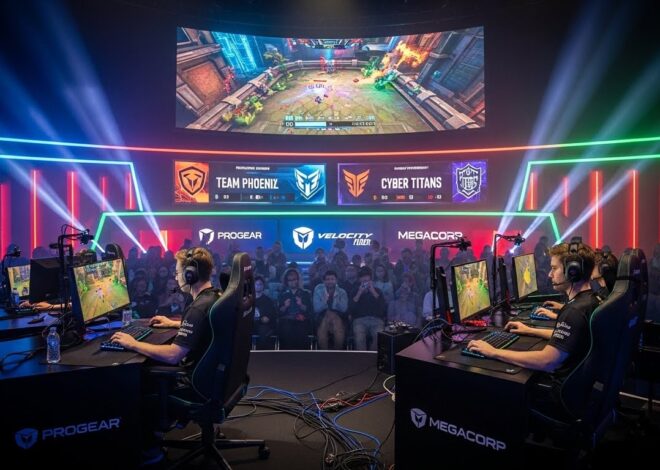
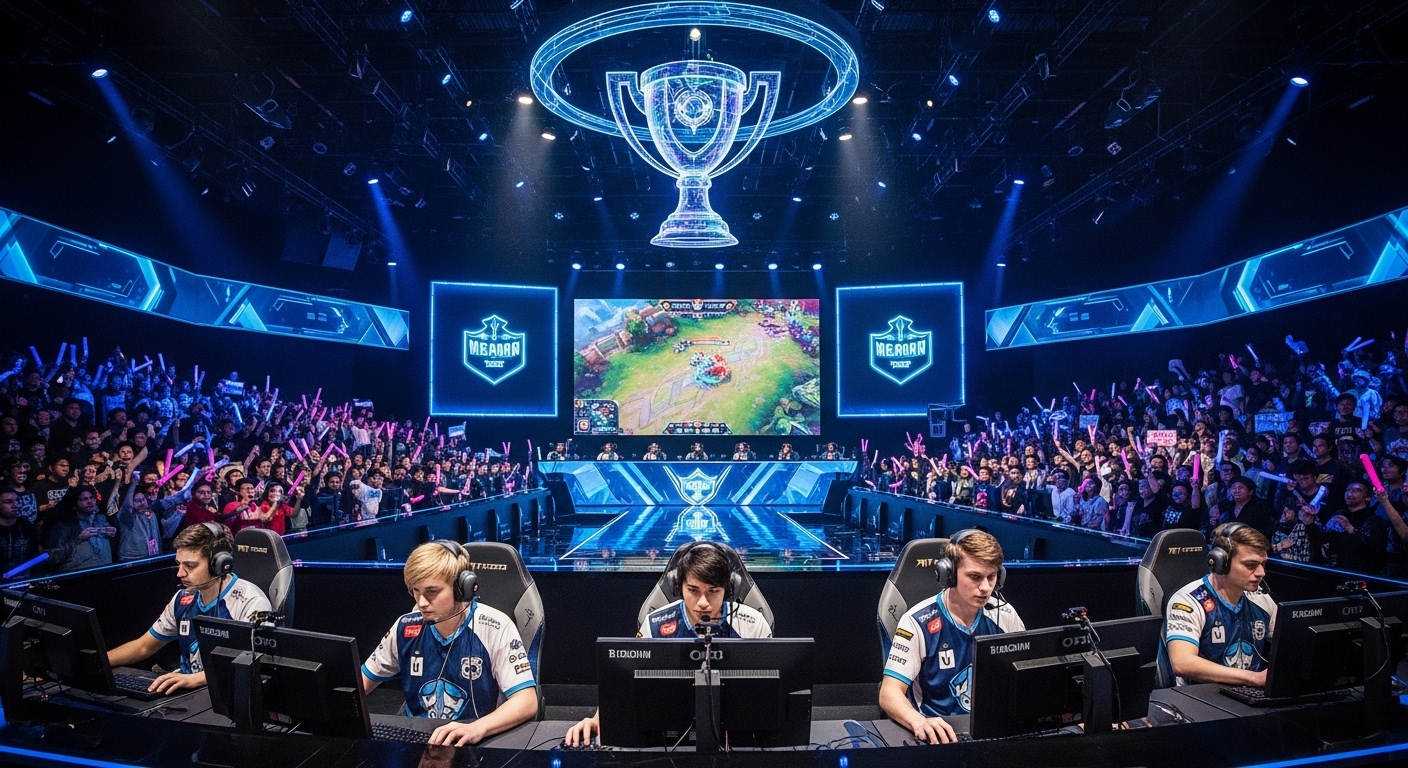
As competitive gaming gained momentum, talented players began to form teams, join leagues, and participate in organized tournaments. Professional organizations emerged, providing players with structured training, coaching, and financial support. Dedicated arenas, production crews, and commentators elevated esports from a hobby to a spectacle.
Professional gamers are now recognized athletes within their industry. They follow strict schedules, practice for hours each day, analyze strategies, and maintain physical and mental fitness. The discipline required for esports mirrors that of traditional sports, proving that competitive gaming demands much more than quick reflexes.
The Role of Streaming in Esports Growth
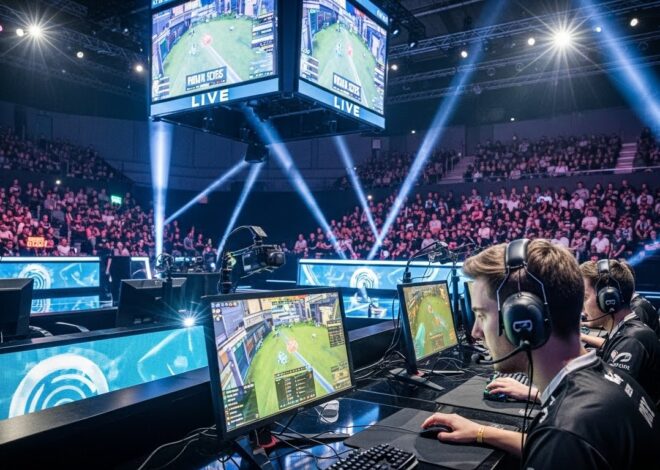
Streaming platforms changed everything. Suddenly, anyone with an internet connection could watch professional players compete, learn strategies, and follow tournaments in real time. Viewers weren’t limited by geography or ticket availability. They could join global communities, participate in chats, and interact with personalities they admired.
Streaming turned players into celebrities. Many professional gamers now maintain massive followings, blending live gameplay with entertainment and educational content. This visibility helped esports break into mainstream culture, bringing attention not only to players but also to the games themselves.
Esports as a Cultural Force
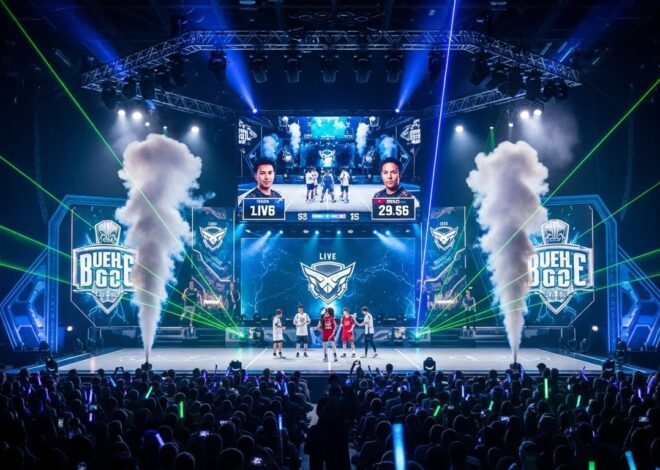
Culturally, esports has reshaped how society views entertainment, competition, and community. Fans follow teams with the same passion seen in traditional sports. Jerseys, merchandise, chants, and rivalries shape the esports identity. Large tournaments feel like festivals, complete with opening ceremonies, performances, and fan events.
Esports also influences fashion, music, and lifestyle trends. Game-inspired clothing, themed accessories, and creative art forms continue to expand the cultural footprint of competitive gaming. Cosplay communities celebrate characters and teams, further bridging the worlds of gaming and entertainment.
The Economic Boom of the Esports Industry
The financial impact of esports is massive. Tournament prize pools can reach millions. Sponsorships, team partnerships, ticket sales, merchandise, and streaming revenue contribute to a rapidly growing market. Entire careers have been built from esports, including roles such as analysts, coaches, commentators, event organizers, and content creators.
Major companies invest heavily in esports because it reaches younger, digitally engaged audiences. This investment fuels the growth of leagues, improves production quality, and ensures long-term sustainability. As a result, esports has become a cornerstone of modern entertainment and business.
The Global Expansion of Competitive Gaming
Esports is no longer limited to a few regions. It has become a worldwide movement. Asian countries play significant roles in shaping competitive gaming, with powerful leagues and dedicated infrastructure. Europe, North America, and South America have also embraced esports, nurturing local communities and hosting world-class events.
The global nature of esports allows diverse players to compete on the same stage, creating a unique blend of cultures and playstyles. International tournaments showcase this diversity, reinforcing esports as a truly global language.
The Importance of Teamwork and Strategy
Competitive gaming may appear fast-paced, but beneath the rapid action lies deep strategy. Successful teams rely on communication, coordination, and trust. Strategies are meticulously crafted, much like plays in traditional sports. Coaches analyze opponents, develop game plans, and help players refine their tactics.
Esports highlights the mental aspects of competition. Quick decision-making, adaptability, and strategic foresight often determine the outcome of a match. This combination of mental agility and mechanical skill makes esports a thrilling field to watch and participate in.
Mental and Physical Demands on Players
Contrary to misconceptions, esports athletes maintain rigorous routines to stay in top form. They undergo physical training to enhance endurance, posture, and reflexes. Nutrition and mental health support are essential parts of professional teams. Long practice hours and constant pressure make psychological stability crucial.
Esports emphasizes that digital competition still requires real-world discipline. Balancing training, lifestyle, and well-being is key to maintaining performance and longevity in the industry.
Esports Education and Career Opportunities
Educational institutions have begun offering scholarships, courses, and academic programs connected to esports. These programs focus on game design, media production, event management, and professional gaming. Students gain opportunities to enter a growing industry with a wide range of career paths.
Esports careers extend beyond playing professionally. Fields such as broadcasting, marketing, coaching, analysis, and content creation continue to grow. This expansion makes esports a viable and promising career landscape for future generations.
Challenges Faced by the Esports Industry
Despite its success, esports faces several challenges. Player burnout, inconsistent regulations, competitive integrity, and toxicity within online communities remain significant concerns. Creating fair and healthy environments is essential for long-term growth.
The industry must also address accessibility and inclusivity. Encouraging diverse participation ensures that esports remains a space for creativity, passion, and global unity.
The Future of Esports
The future of esports is filled with innovation. Advancements in technology may introduce new competitive formats, immersive virtual arenas, and enhanced viewing experiences. Artificial intelligence, augmented reality, and virtual reality hold the potential to redefine how games are played and enjoyed.
As more governments and organizations support esports, its integration into mainstream culture will deepen. Competitive gaming is poised to influence future entertainment, education, and digital interaction.
Conclusion
Esports is far more than a competition. It is a cultural revolution that blends technology, creativity, passion, and community. Its rise reflects how modern society embraces digital interaction and global connectivity. Through teamwork, strategy, innovation, and dedication, esports continues to inspire millions around the world.
The evolution of esports from small gatherings to worldwide competitions demonstrates the limitless potential of human creativity. As the industry continues to grow, it will shape the future of entertainment and redefine how we connect, compete, and celebrate achievements in the digital age.