Beyond the Screen: The Rise of Esports as a Global Phenomenon
The world of competitive gaming, or esports, has transformed from a niche hobby into a global industry that rivals traditional sports in viewership, revenue, and cultural influence. Once considered a pastime for a small group of dedicated gamers, esports now captivates millions of fans worldwide and offers opportunities for professional players, sponsors, and content creators. This blog explores the evolution, impact, and future of esports, highlighting why it has become a significant part of modern entertainment.
The Origins of Competitive Gaming
Esports, short for electronic sports, has roots that trace back several decades. Early competitive gaming began with arcade tournaments in the late 1970s and 1980s. Games like Space Invaders, Pac-Man, and later Street Fighter drew players into organized competitions, though these events were small and localized. With the rise of home gaming consoles in the 1990s, competitive gaming began expanding. Titles such as Doom and Quake offered multiplayer modes, which introduced the concept of player-versus-player competition in virtual spaces.
The real turning point came with the growth of the internet and online multiplayer games. The early 2000s saw the emergence of games like Counter-Strike, StarCraft, and Warcraft III, which fostered global online competitions. These games laid the foundation for modern esports, emphasizing strategy, skill, and teamwork. Small tournaments evolved into larger events with cash prizes, attracting more participants and audiences.
Esports as a Professional Career
Today, esports is no longer just a hobby; it has become a viable professional career path. Competitive players, often called pro gamers, train extensively, sometimes as rigorously as traditional athletes. Professional esports teams provide coaching, nutrition guidance, and mental health support to help players perform at their peak. Titles like League of Legends, Dota 2, Call of Duty, and Fortnite have created a structured competitive ecosystem, complete with leagues, seasonal tournaments, and championship events.
Earnings for professional esports players come from tournament prizes, team salaries, sponsorships, and streaming revenue. Top players can earn millions of dollars annually, similar to athletes in traditional sports leagues. The success of esports careers has also inspired aspiring players to pursue competitive gaming from a young age, demonstrating that esports is more than entertainment—it is a serious and lucrative industry.
The Cultural Impact of Esports
Esports has reshaped how people perceive gaming. Once stigmatized as an unproductive activity, competitive gaming is now celebrated for its strategic depth, teamwork, and skill. Esports tournaments are broadcast on major streaming platforms, attracting millions of viewers per event. The audience includes diverse demographics, with fans from different countries, age groups, and backgrounds coming together over their shared passion for games.
Additionally, esports has influenced popular culture in music, fashion, and media. Collaborations between game developers and celebrities, along with esports-themed merchandise, have created new revenue streams and increased visibility. Gaming conventions, fan meetups, and online communities further cement esports as a cultural force that extends beyond the screen.
Technology and Innovation Driving Esports
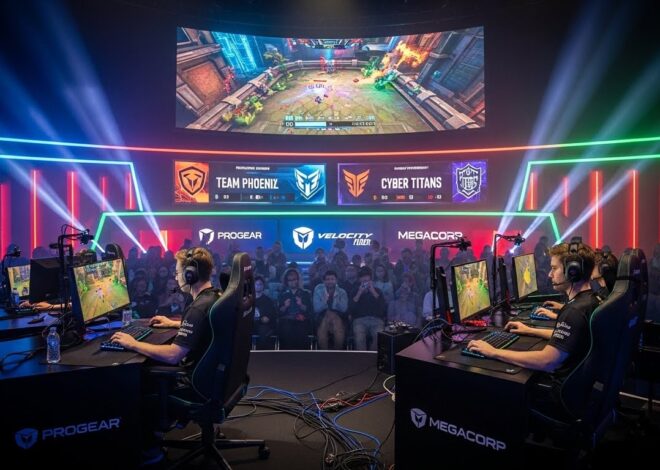
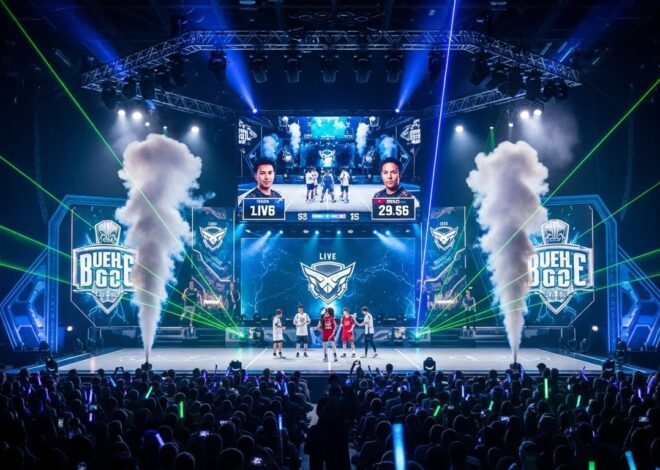
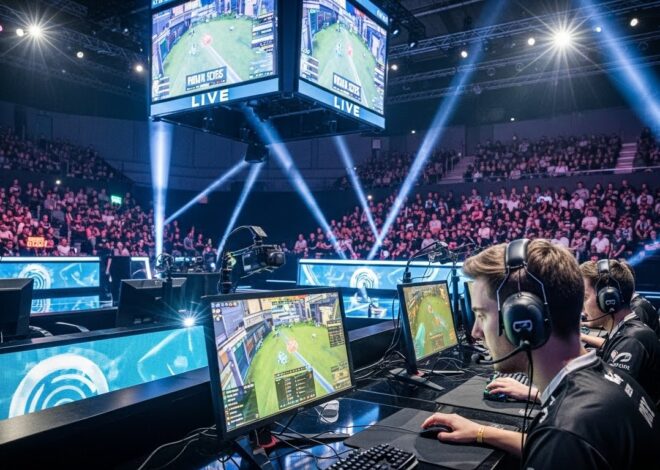
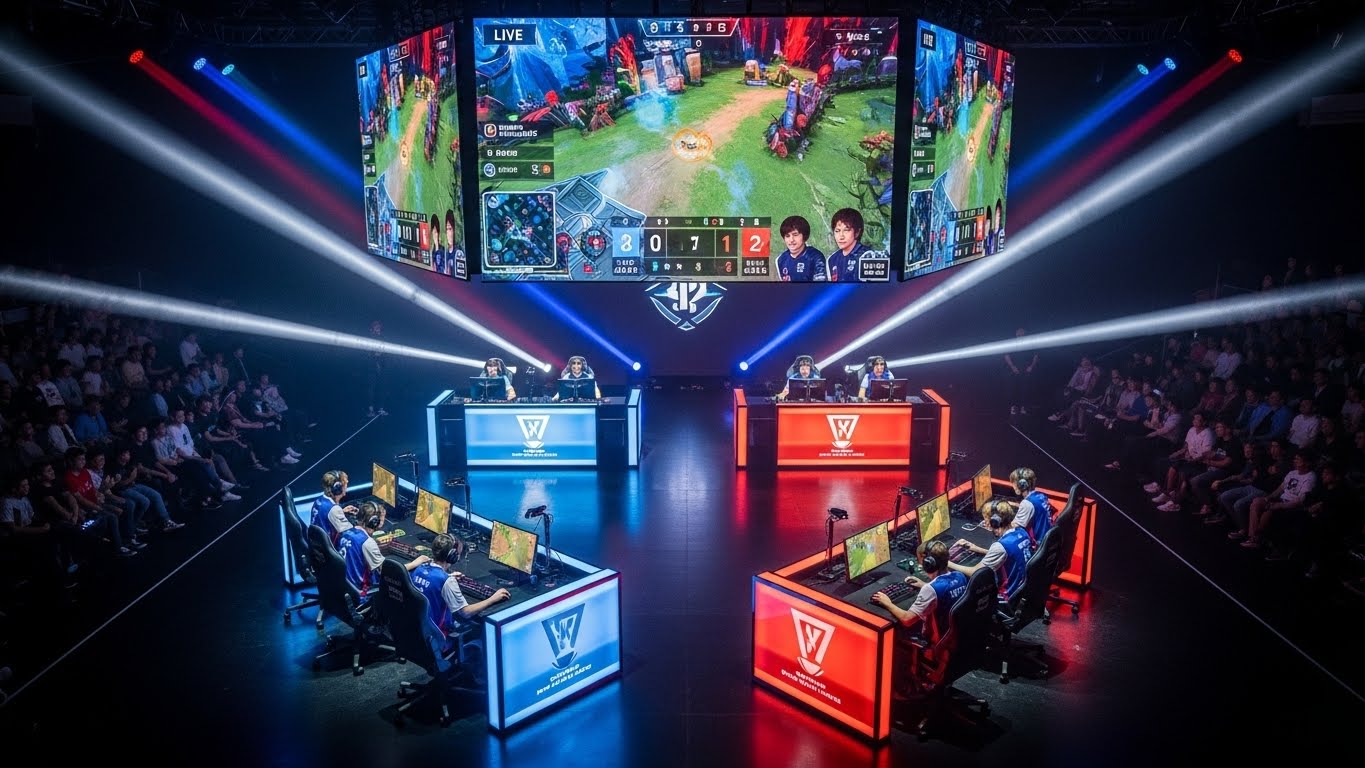
Technology has played a crucial role in the growth of esports. High-speed internet, advanced graphics, and powerful gaming hardware have made competitive gaming more immersive and accessible. Streaming platforms allow fans to watch live matches in real time, interact with players, and participate in virtual communities. Esports events often feature sophisticated production setups, including multiple camera angles, live commentary, and augmented reality elements, creating an experience comparable to traditional sports broadcasts.
Virtual reality and cloud gaming are also poised to impact the future of esports. These technologies may introduce new game genres, enhance audience engagement, and allow players from different regions to compete seamlessly. As technology continues to evolve, esports will likely continue to innovate and expand its reach.
Global Esports Ecosystem
Esports has developed into a global ecosystem with interconnected elements, including game developers, professional teams, tournament organizers, streaming platforms, and sponsors. Game developers play a critical role by designing games that are competitive, balanced, and spectator-friendly. Professional teams scout talent, manage players, and develop strategies, often with coaches and analysts supporting their efforts.
Tournament organizers host local, regional, and international competitions, providing prize pools, broadcasting infrastructure, and event promotion. Streaming platforms like Twitch and YouTube Gaming allow fans to watch matches live, interact with players, and participate in esports communities. Sponsors, ranging from technology brands to consumer goods companies, provide financial backing, advertising, and marketing opportunities. Together, these elements create a dynamic ecosystem that sustains and grows the esports industry.
The Psychology of Esports
Esports is not only physically demanding but also mentally challenging. High-level competitive gaming requires focus, quick decision-making, strategic thinking, and effective communication with teammates. Players often face intense pressure during tournaments, where split-second decisions can determine victory or defeat. Mental endurance, emotional control, and adaptability are essential skills for success.
Psychology also plays a significant role in team dynamics. Successful esports teams emphasize collaboration, trust, and effective communication. Coaches and sports psychologists help players manage stress, maintain motivation, and improve mental resilience. Understanding the psychology behind performance in esports is becoming increasingly important as the industry grows and competition intensifies.
Esports and Education
The rise of esports has also influenced education, with schools and universities recognizing its value in developing skills such as critical thinking, teamwork, and strategic planning. Many educational institutions now offer esports programs, scholarships, and dedicated facilities for competitive gaming. These programs provide students with opportunities to compete at collegiate levels, develop professional skills, and explore careers in game design, broadcasting, and management.
Esports education goes beyond gaming. It includes areas such as event management, marketing, coding, and media production. By integrating esports into educational programs, institutions are preparing students for careers in a rapidly growing and evolving industry.
Challenges Facing Esports
Despite its growth, esports faces several challenges. Player burnout is a significant concern, as intense training schedules and high-pressure competitions can lead to physical and mental exhaustion. Maintaining fair competition is another challenge, with issues such as cheating, performance-enhancing substances, and unequal access to resources impacting integrity. Additionally, some regions still lack infrastructure and support for professional esports, limiting opportunities for talented players.
Esports also faces the challenge of mainstream acceptance. While public perception is improving, some still view gaming as a leisure activity rather than a legitimate career. Overcoming stereotypes and demonstrating the strategic and professional aspects of esports is crucial for continued growth and recognition.
The Future of Esports
The future of esports is promising, with new technologies, expanding audiences, and evolving business models driving growth. Virtual and augmented reality, artificial intelligence, and cloud gaming will likely introduce new game genres and enhance the spectator experience. Esports may also continue to integrate with traditional sports, with collaborations, crossover events, and hybrid competitions becoming more common.
Globalization will play a significant role in shaping esports’ future. Emerging markets in Asia, Africa, and Latin America are experiencing rapid growth in gaming and esports participation. This expansion will create more opportunities for players, sponsors, and fans, making esports a truly worldwide phenomenon.
Conclusion
Esports has come a long way from its humble beginnings as arcade tournaments and online multiplayer games. It has evolved into a professional industry that attracts millions of viewers, generates significant revenue, and offers viable career paths. Beyond entertainment, esports influences culture, education, and technology, demonstrating its multifaceted impact on society.
As the industry continues to innovate and grow, esports will likely remain a major force in the global entertainment landscape. Its ability to combine competition, skill, and community ensures that esports is not just a passing trend but a transformative movement shaping the future of digital culture and sports.