Beyond the Screen: The Rise and Impact of Esports in Modern Culture
In recent years, esports has emerged from niche communities into a global phenomenon, capturing the attention of millions of players, fans, and investors around the world. What began as casual video game competitions has transformed into a multi-billion-dollar industry with professional leagues, sponsorships, and even international tournaments that rival traditional sports in both viewership and prestige. Esports is no longer just a hobby; it has become a cultural force that is reshaping the way we view competition, entertainment, and technology.
The Evolution of Esports
Esports has a history that stretches back decades, evolving alongside the growth of technology and gaming culture. In the 1970s and 1980s, early competitions were local or regional, often centered around arcade games such as Pong or Space Invaders. These early tournaments were small in scale, but they laid the foundation for organized competitive gaming.
The 1990s brought the rise of personal computers and networked gaming, enabling players to compete across cities and countries. Titles like StarCraft, Quake, and Counter-Strike became pillars of competitive gaming, attracting dedicated communities and setting the stage for professional esports. With the advent of high-speed internet in the 2000s, online tournaments became increasingly feasible, paving the way for the modern esports ecosystem.
The Professionalization of Esports
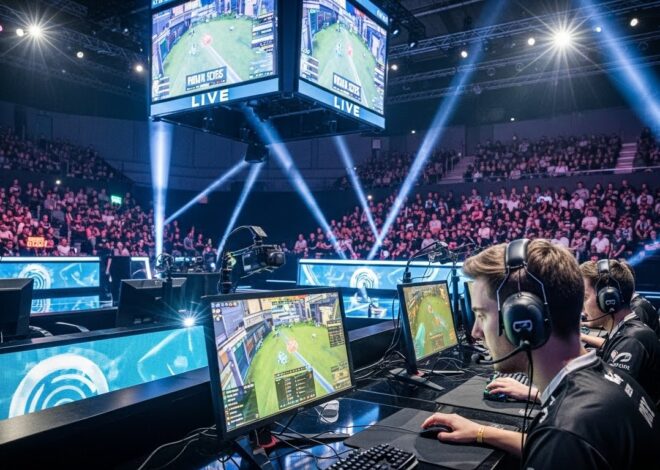
One of the defining aspects of contemporary esports is its professionalization. Today, esports athletes train, strategize, and compete with the same dedication and discipline as traditional sports players. Professional teams have coaches, analysts, nutritionists, and support staff to optimize performance. Players undergo rigorous training schedules that include gameplay analysis, physical conditioning, and mental preparation.
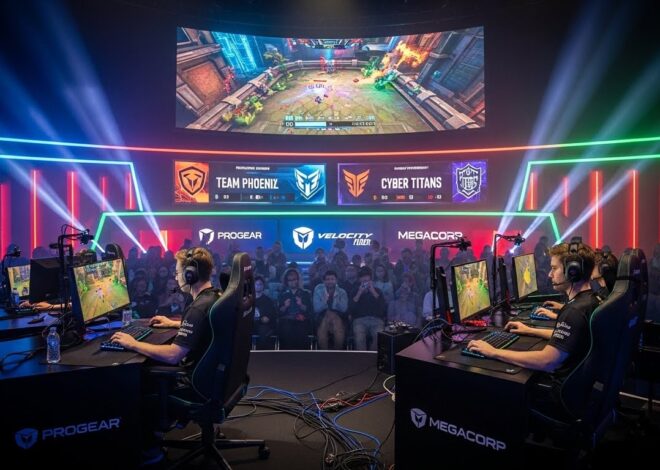
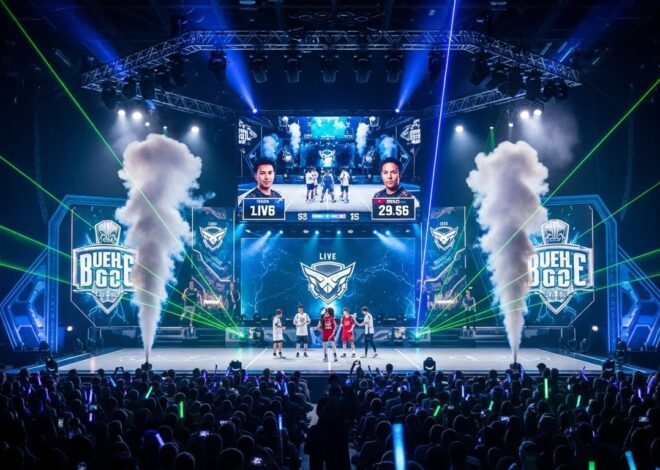
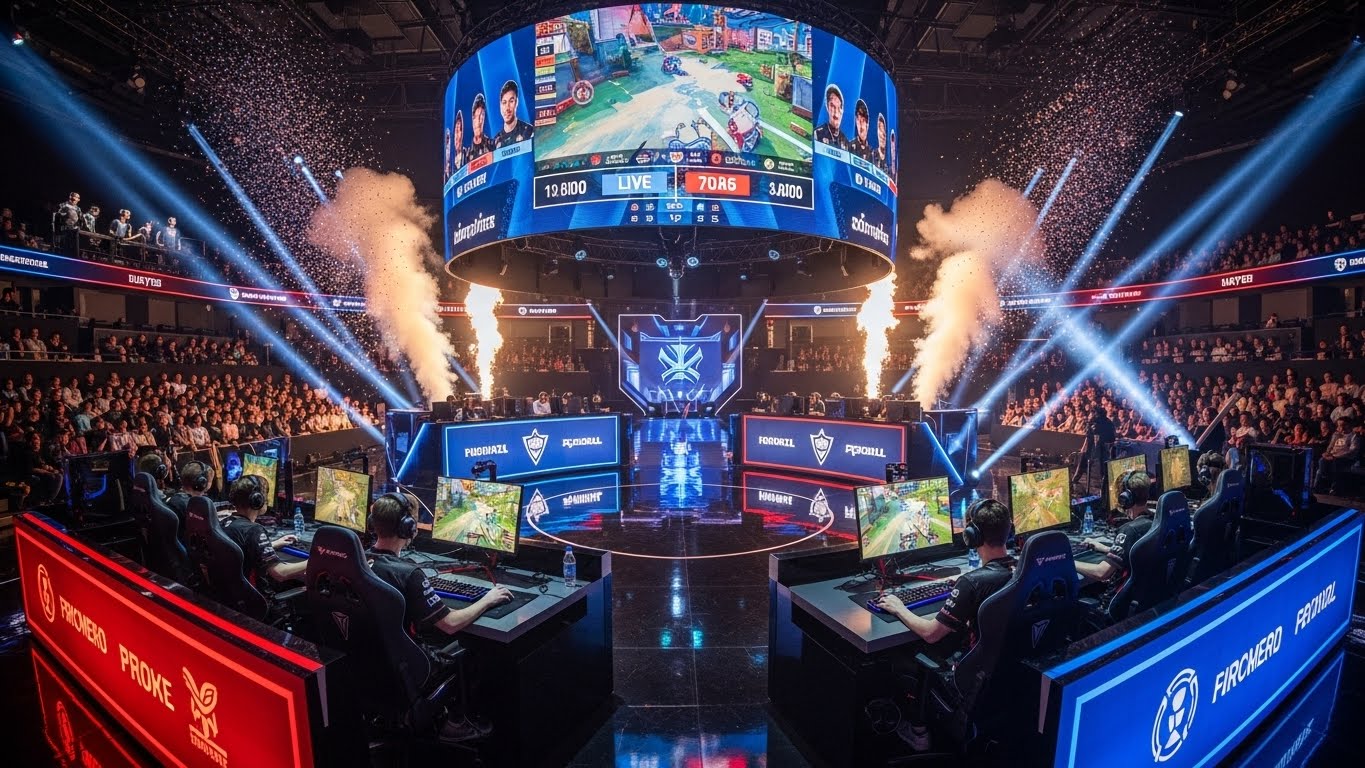
Esports leagues and tournaments are now highly organized and structured, offering substantial prize pools that rival traditional sporting events. Competitions such as the League of Legends World Championship, The International for Dota 2, and the Fortnite World Cup have become global spectacles, attracting millions of viewers from every corner of the world. The professionalization of esports has transformed it from a hobby into a legitimate career path for talented players.
The Cultural Impact of Esports
Esports is more than just competitive gaming; it is a cultural movement that influences entertainment, media, and social interaction. Streaming platforms and content creation have played a significant role in shaping the culture of esports. Fans can watch their favorite players in real time, follow gaming personalities, and participate in interactive online communities. This level of engagement fosters a sense of belonging and shared identity among fans.
Esports also promotes inclusivity and accessibility. Unlike many traditional sports, esports does not require physical attributes such as height, strength, or speed. People from diverse backgrounds, genders, and abilities can compete on an equal playing field. This inclusivity has contributed to the rapid growth of esports communities worldwide and has expanded the definition of what competitive sports can be.
The Economic Power of Esports
The economic impact of esports is substantial and growing rapidly. The industry encompasses not only player salaries and tournament prizes but also sponsorships, merchandise, broadcasting rights, and event management. Major corporations and brands invest heavily in esports as a marketing and engagement tool, recognizing the potential to reach younger and digitally savvy audiences.
Esports also drives technological innovation and entrepreneurship. Companies develop specialized gaming hardware, software, and analytics tools to enhance performance and fan experience. The industry creates jobs in coaching, event management, content creation, and marketing, contributing to a thriving global economy centered around gaming culture.
Mental and Cognitive Benefits of Esports
Contrary to the stereotype that video gaming is purely recreational or even detrimental, esports offers several cognitive and mental benefits. Competitive gaming requires strategic thinking, quick decision-making, multitasking, and teamwork. Players must process vast amounts of information under pressure, honing their problem-solving and analytical skills.
Esports also cultivates resilience and emotional regulation. Athletes experience highs and lows during intense competitions, learning to manage stress, overcome setbacks, and maintain focus. These skills are transferable to other areas of life, including education, careers, and personal development.
The Role of Community and Social Interaction
Community is at the heart of esports. Online forums, social media platforms, and live streams create spaces for fans and players to interact, share strategies, and celebrate achievements. Unlike traditional sports, where spectatorship is often passive, esports communities encourage active participation, discussion, and collaboration.
Esports communities also foster mentorship and learning. Experienced players often guide newcomers, sharing knowledge about game mechanics, strategies, and professional pathways. This mentorship contributes to skill development and strengthens the sense of belonging within the community.
Challenges Facing the Esports Industry
While esports has achieved remarkable growth, it also faces several challenges. One significant issue is player burnout. The intense training schedules and high-stakes competitions can lead to physical and mental fatigue, impacting long-term performance and health. Organizations are increasingly recognizing the need for balanced schedules, mental health support, and recovery time.
Another challenge is establishing standardized regulations and governance. With numerous games, leagues, and tournaments operating independently, creating uniform rules and fair play standards is complex. Ensuring integrity, preventing cheating, and managing disputes are ongoing concerns that the industry must address to maintain credibility.
The Rise of Women in Esports
Historically, esports has been male-dominated, but women are increasingly making their mark. Female players, streamers, and content creators are challenging stereotypes and breaking barriers, proving that skill and dedication are not gender-specific. Organizations and tournaments are promoting inclusivity through women-only leagues, scholarships, and mentorship programs, creating opportunities for female talent to thrive.
The rise of women in esports is not only changing perceptions but also expanding the fanbase and fostering diversity. By embracing inclusivity, the esports industry can continue to grow and reflect the broad spectrum of players and fans who contribute to its success.
The Technological Evolution of Esports
Technology is a driving force behind the growth of esports. High-speed internet, advanced graphics, and virtual reality have transformed the gaming experience, making competitive play more immersive and accessible. Artificial intelligence and data analytics are increasingly used to optimize strategies, track performance, and enhance fan engagement.
Streaming platforms and social media have revolutionized the way audiences consume esports content. Fans can watch live events from anywhere in the world, interact with players in real time, and participate in virtual communities. Technology has bridged the gap between players and spectators, creating a dynamic ecosystem that continues to evolve rapidly.
Esports as a Global Phenomenon
Esports is truly a global phenomenon, with thriving communities in Asia, North America, Europe, and beyond. Countries like South Korea and China have established professional esports infrastructure, with dedicated training facilities, leagues, and government support. In North America and Europe, esports has gained mainstream recognition, with universities offering scholarships and academic programs focused on competitive gaming.
The international reach of esports also fosters cultural exchange and collaboration. Players and fans from diverse backgrounds come together through tournaments, online communities, and global streaming platforms. This global connectivity strengthens cross-cultural understanding and promotes unity through shared passion.
Future Prospects of Esports
The future of esports is promising, with new opportunities emerging in technology, education, and entertainment. Virtual reality and augmented reality have the potential to create fully immersive competitive experiences. Educational institutions are incorporating esports into curricula, teaching skills such as teamwork, strategy, and digital literacy.
Esports is also expanding into mainstream media, with tournaments broadcast on traditional television channels and major sporting events featuring esports showcases. As the industry continues to grow, it is likely to become a staple of global entertainment, rivaling traditional sports in both influence and cultural significance.
Conclusion: Esports as a Cultural Force
Esports is more than just gaming; it is a cultural force that reflects the evolving landscape of competition, technology, and community. From professional leagues to local tournaments, esports creates opportunities for personal growth, social interaction, and economic development. It challenges traditional notions of sports, promotes inclusivity, and connects people across the globe through shared passion.
The rise of esports demonstrates the transformative power of digital culture, proving that competitive gaming is not only a form of entertainment but also a legitimate avenue for professional achievement, personal development, and cultural impact. As esports continues to evolve, it will shape the future of competition, redefine entertainment, and inspire millions of players and fans worldwide to push the boundaries of what is possible.
Esports is no longer confined to bedrooms or gaming cafes; it has entered the global stage as a phenomenon that combines skill, strategy, and spectacle. It represents the potential of human creativity, the importance of community, and the endless possibilities that arise when technology and passion intersect. In this new era, esports is not just a game—it is a movement that is reshaping culture, redefining success, and inspiring generations to come.