Beyond the Screen: The Rise of Esports as a Global Phenomenon
Introduction: From Hobby to Industry
What was once a niche hobby enjoyed in basements and internet cafés has now become a billion-dollar industry watched by millions across the globe. Esports, or competitive video gaming, has transformed from casual matches among friends into professional tournaments with prize pools rivaling those of traditional sports. The journey of esports is not just a technological success story—it’s a cultural revolution.
The Evolution of Competitive Gaming
The roots of esports trace back to the 1970s and 80s, when arcade games like Space Invaders and Pac-Man sparked the first competitive gaming events. Fast-forward to the 2000s, and games like Counter-Strike, StarCraft, and Warcraft III began forming structured tournaments. Today, titles such as League of Legends, Dota 2, Valorant, and Fortnite headline international events watched by millions.
A New Kind of Athlete
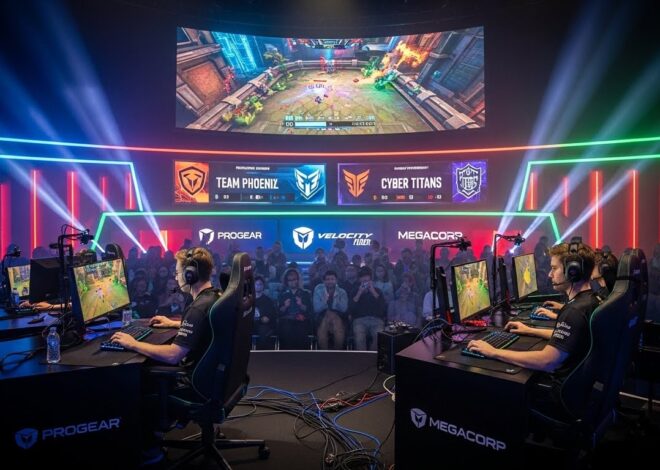
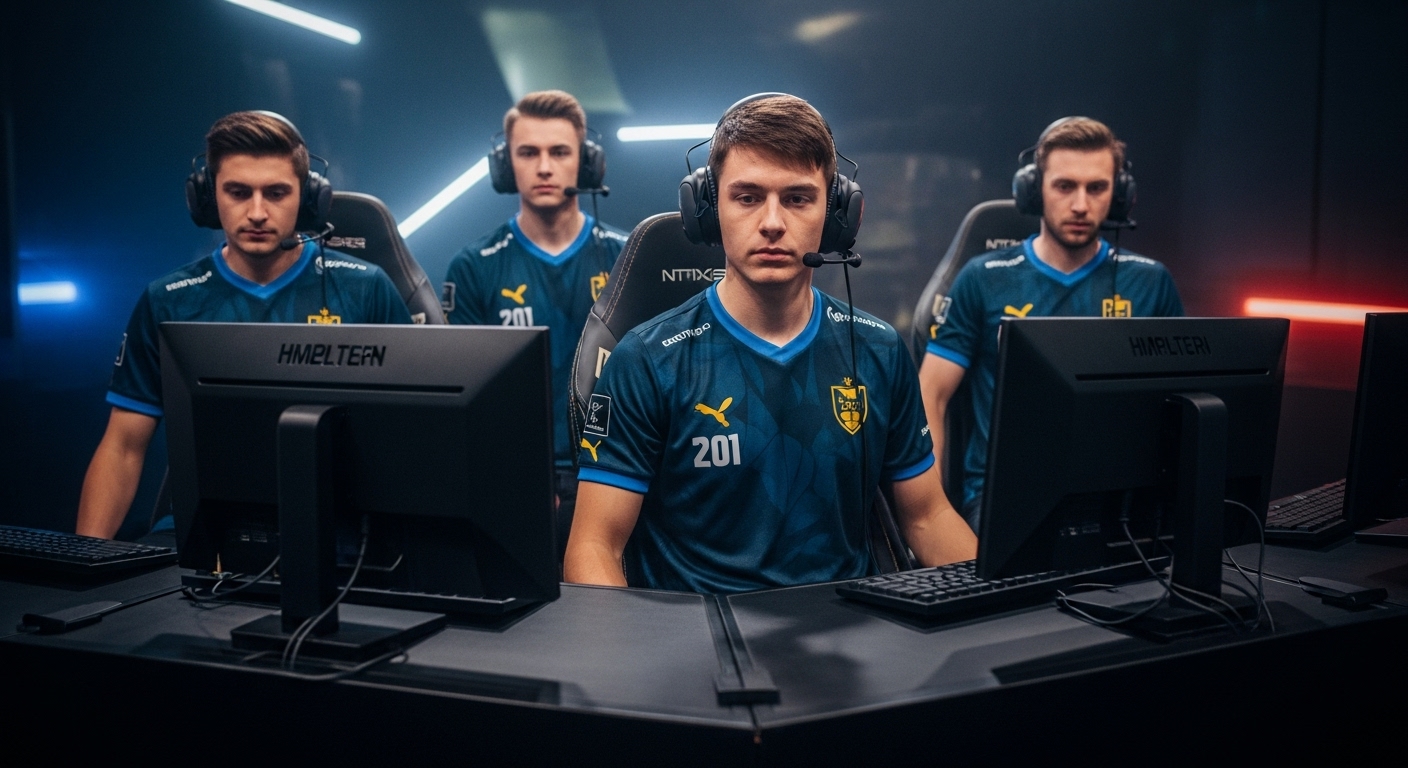
The modern esports player is not just a casual gamer—they are athletes in their own right. Professional esports players train for hours every day, focusing on mechanical skill, team coordination, reflexes, and strategic decision-making. Many are supported by coaches, analysts, and nutritionists, similar to traditional sports organizations. Their physical and mental endurance is honed over years, often starting in their early teens.
Global Tournaments and Massive Audiences
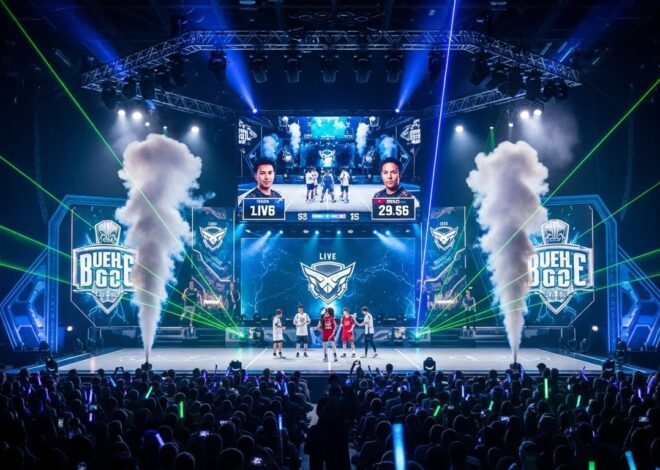
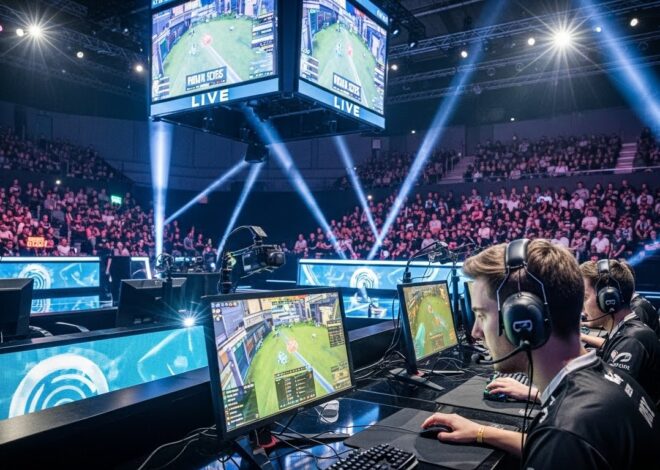
Events like The International (for Dota 2), the League of Legends World Championship, and the CS:GO Major attract tens of millions of viewers worldwide. Stadiums are filled with cheering fans, and the atmosphere mirrors that of football or basketball finals. With streaming platforms allowing fans to watch live matches from anywhere in the world, esports has become more accessible than ever.
Opportunities Beyond the Game
Esports has opened doors not only for players but for an entire ecosystem of professionals. Commentators, also known as shoutcasters, bring games to life with their energy and insight. Analysts break down strategies and statistics. Content creators, streamers, event organizers, and marketers all contribute to a thriving industry that employs thousands.
Esports in Education
An increasing number of schools and universities are offering esports programs, scholarships, and dedicated training facilities. These institutions recognize the value of teamwork, critical thinking, and communication skills that esports can teach. This educational approach is helping to legitimize gaming as a serious career path.
Challenges and Controversies
Despite its success, esports is not without challenges. Player burnout, lack of regulation, toxic behavior in communities, and issues around inclusivity are ongoing concerns. The fast pace of the industry sometimes leads to instability for players and organizations alike. However, many are working to address these issues through better support systems, codes of conduct, and industry-wide standards.
The Future of Esports
As technology continues to evolve, the future of esports looks promising. Virtual reality (VR), augmented reality (AR), and advancements in AI could redefine how games are played and experienced. Cross-platform competitions, mobile gaming growth, and increased sponsorships are likely to keep pushing the boundaries of what esports can achieve.
Conclusion: More Than Just a Game
Esports is more than a game—it’s a global movement that blends competition, entertainment, and community. It has redefined what it means to be an athlete, a fan, and a part of a digital culture that shows no signs of slowing down. As it continues to grow, one thing is clear: esports is here to stay, and the world is watching.