The Evolution of Esports: From Niche Hobby to Global Phenomenon
Esports, once a niche hobby for a select group of gamers, has blossomed into a global entertainment juggernaut. With millions of fans tuning in to watch their favorite teams compete, massive prize pools on the line, and sponsorships pouring in from top-tier brands, esports is now one of the fastest-growing industries in the world. In this blog post, we’ll explore the evolution of esports, its rise in popularity, and what the future holds for this exciting domain.
The Humble Beginnings of Esports
Esports didn’t always look like the sprawling empire it is today. In fact, its origins can be traced back to the late 1990s and early 2000s when competitive gaming began to find a niche audience. The first major esports event was held in 1997 with the Red Annihilation tournament for Quake, where professional players gathered to compete for the grand prize: a Ferrari.
While the scene was modest at first, with small communities of players engaging in online matches or LAN tournaments, the seeds of a broader esports movement were planted. Games like StarCraft, Warcraft, and Counter-Strike began to attract competitive players and fans, establishing a foundation for future growth.
Esports’ Surge in Popularity
The early 2010s marked a period of massive growth for esports. With the advent of platforms like Twitch, YouTube Gaming, and social media, gaming culture was able to reach an international audience. People no longer had to be physically present at a tournament to watch the action; they could now stream games from the comfort of their own homes.
Simultaneously, developers began to design games specifically with esports in mind. Titles like League of Legends, Dota 2, Overwatch, and Fortnite offered complex, team-based gameplay that appealed to both competitive players and fans alike. These games provided a consistent, evolving environment for esports tournaments to thrive in.
Tournaments like The International (Dota 2) and League of Legends World Championship attracted huge global audiences and offered multi-million-dollar prize pools, further establishing esports as a legitimate and profitable sector in the entertainment industry.
The Business Boom
As esports grew in popularity, so did the business surrounding it. Sponsorship deals, media rights, and merchandise sales began to flood the market. Major brands from outside the gaming world, such as Coca-Cola, Intel, and Mercedes-Benz, started to take notice and invest in the industry. These investments helped bring esports into the mainstream, allowing professional teams and players to earn salaries comparable to traditional athletes.
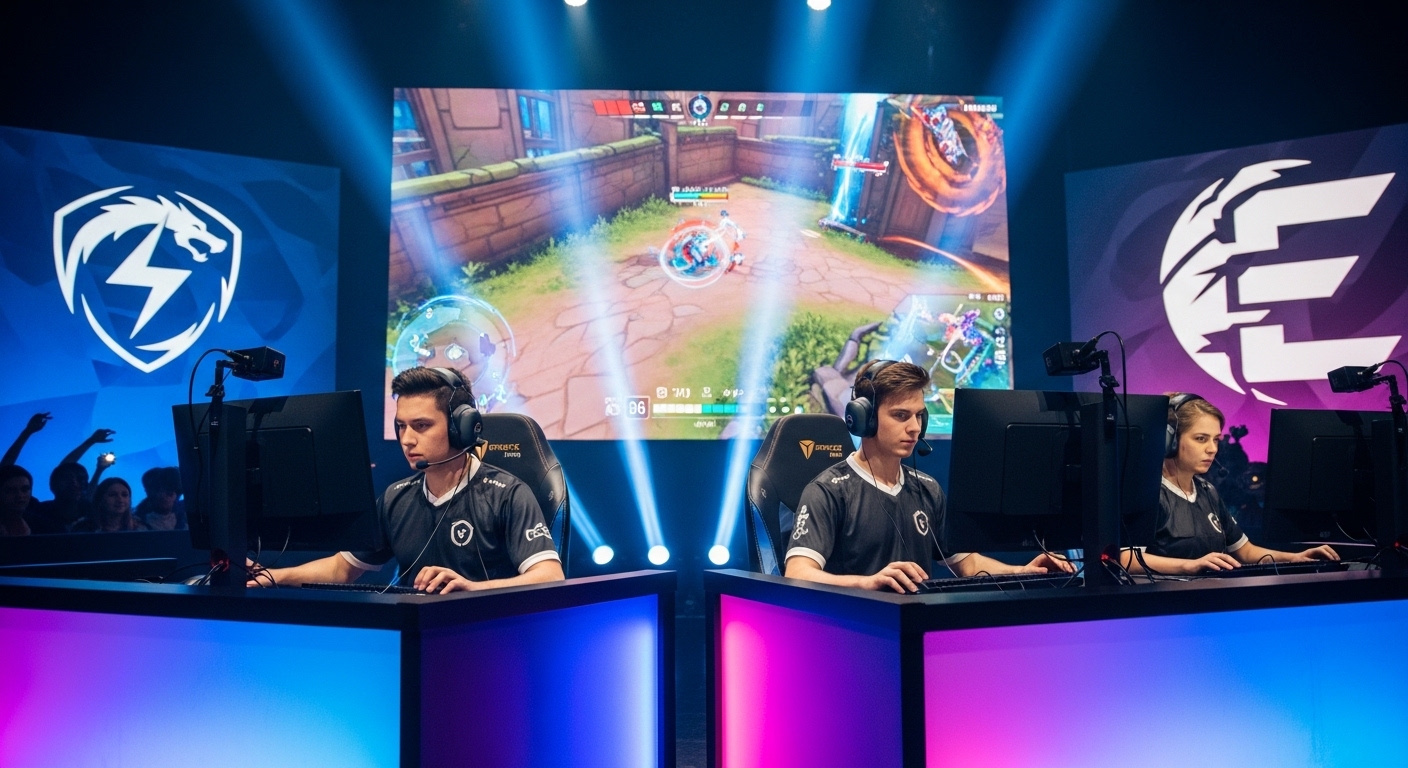
Additionally, esports organizations began to resemble traditional sports teams in their structure, with dedicated coaching staff, analysts, and even psychologists to help players perform at their peak. Esports athletes, who spend hours each day practicing, are now seen as highly skilled professionals in their own right.
The Rise of Esports Viewership
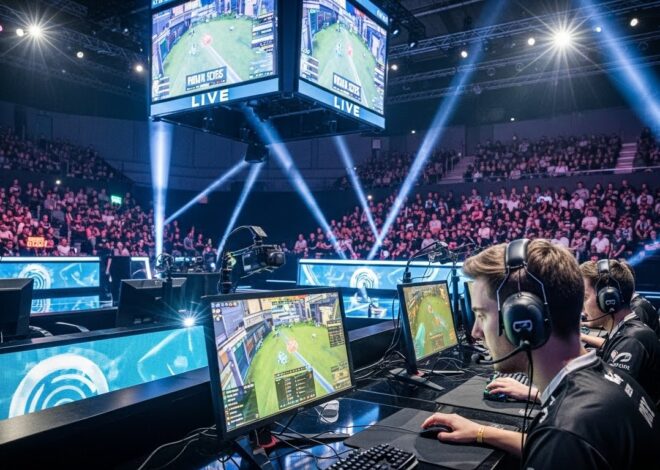
A key driver of esports’ meteoric rise is the unprecedented level of viewership it commands. Major tournaments consistently draw millions of viewers from all over the world, sometimes surpassing the viewership numbers of traditional sports events. Platforms like Twitch, YouTube, and Facebook Gaming have become the primary homes for esports content, where fans can watch live tournaments, replays, and other gaming-related content.
What sets esports apart is its accessibility. Unlike traditional sports, where a stadium seat can cost hundreds or even thousands of dollars, esports fans can watch matches for free from their computers or mobile devices. This accessibility has helped attract a younger, tech-savvy audience that thrives on digital interaction.
The Role of Esports in Popular Culture
Esports has become deeply intertwined with popular culture, especially in the realms of streaming, social media, and celebrity culture. Popular streamers like Ninja, PewDiePie, and Shroud have transcended the world of gaming and become household names. These influencers have expanded the reach of esports beyond the traditional gamer demographic, drawing in viewers from all walks of life.
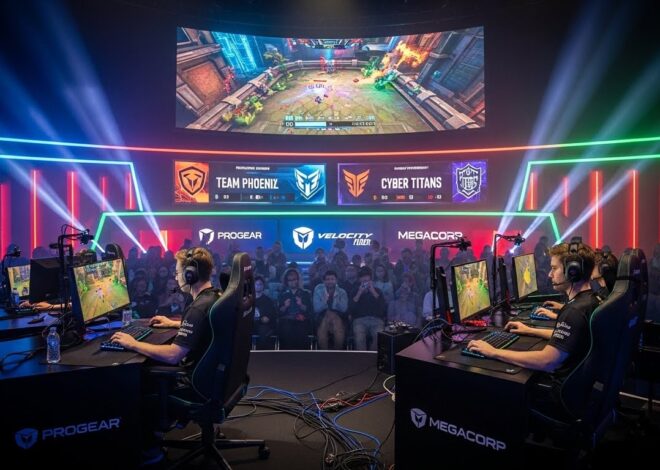
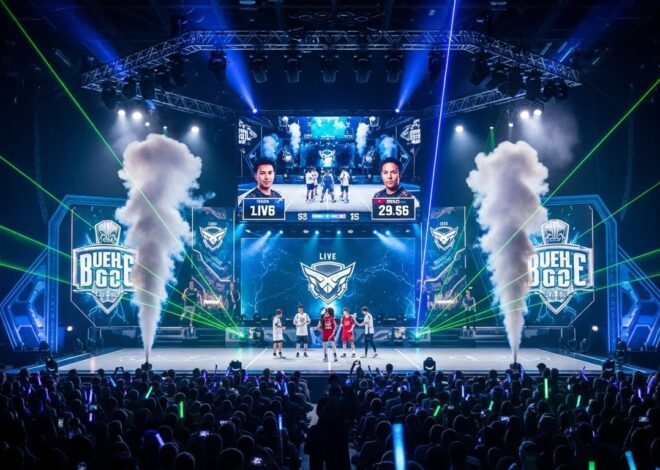
Furthermore, esports tournaments are now broadcast in traditional sports venues, including large arenas and even stadiums. The atmosphere at these events is electric, with fans cheering for their favorite teams, waving banners, and even cosplaying as their favorite characters. It’s not uncommon to see sold-out crowds for games like League of Legends and Fortnite, rivaling attendance numbers for major sporting events.
The Future of Esports
Looking ahead, the future of esports seems incredibly bright. With technology advancing rapidly, innovations like Virtual Reality (VR) and Augmented Reality (AR) could usher in a new era of gaming experiences that further immerse players and fans alike. Additionally, the continued growth of mobile gaming, especially in emerging markets like Asia, could help esports become even more ubiquitous.
Esports may also become a fixture in mainstream education, with schools offering scholarships for players and even integrating esports into their curricula. In fact, some universities already offer programs specifically designed to nurture esports talent, providing both academic and athletic opportunities for students.
Perhaps the most exciting aspect of esports’ future is its potential for further integration with traditional sports. We’re already seeing collaborations between esports and major sports leagues, such as the NBA and NFL, who are exploring ways to merge the worlds of traditional and digital sports in creative ways.
Conclusion
Esports has come a long way from its humble beginnings in basement LAN parties. Today, it is a billion-dollar industry, boasting professional leagues, global tournaments, and a dedicated fanbase. As the industry continues to evolve, it’s clear that esports is no passing trend but rather a permanent fixture in the world of entertainment. The next decade will likely see even greater strides in the development of the industry, and one thing is certain: esports is here to stay.