The Rise and Impact of Esports: Gaming as a Global Phenomenon
Introduction
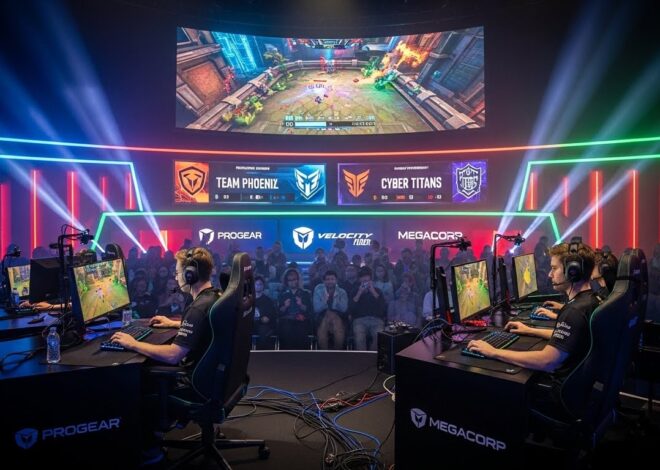
Esports, or competitive video gaming, has grown from a niche hobby into a global industry worth billions of dollars. Once seen as casual entertainment for a small community, esports is now a legitimate competitive platform with professional players, dedicated teams, major tournaments, and worldwide audiences. It has transformed the perception of gaming, creating opportunities for professional careers, technological innovations, and global communities.
The evolution of esports reflects broader trends in technology, media, and entertainment. It combines high-level gameplay with strategy, teamwork, and entertainment, making it a unique form of competitive sport. This blog explores the history, development, business models, societal impact, and future of esports.
The Origins of Esports
Esports traces its roots back to the early days of video gaming. Competitive gaming emerged as players sought to test their skills against others, initially in local arcades or early online networks.
Early Competitions
The first known video game competition was held in 1972 at Stanford University for the game Spacewar!. Over the years, arcade competitions, such as Pac-Man and Street Fighter, gained popularity, creating a foundation for modern esports.
The Birth of Professional Gaming
In the 1990s, the rise of PC gaming and online connectivity enabled multiplayer competitions. Titles like Quake and StarCraft in South Korea created communities of professional players, leading to organized leagues and tournaments. South Korea, in particular, became a hub for esports, where professional gaming was recognized as a legitimate career.
Early Online Tournaments
Online multiplayer platforms allowed players from around the world to compete in real time. Games like Counter-Strike and Warcraft III brought new levels of competition and skill-based gameplay, laying the groundwork for today’s global esports ecosystem.
Popular Esports Genres
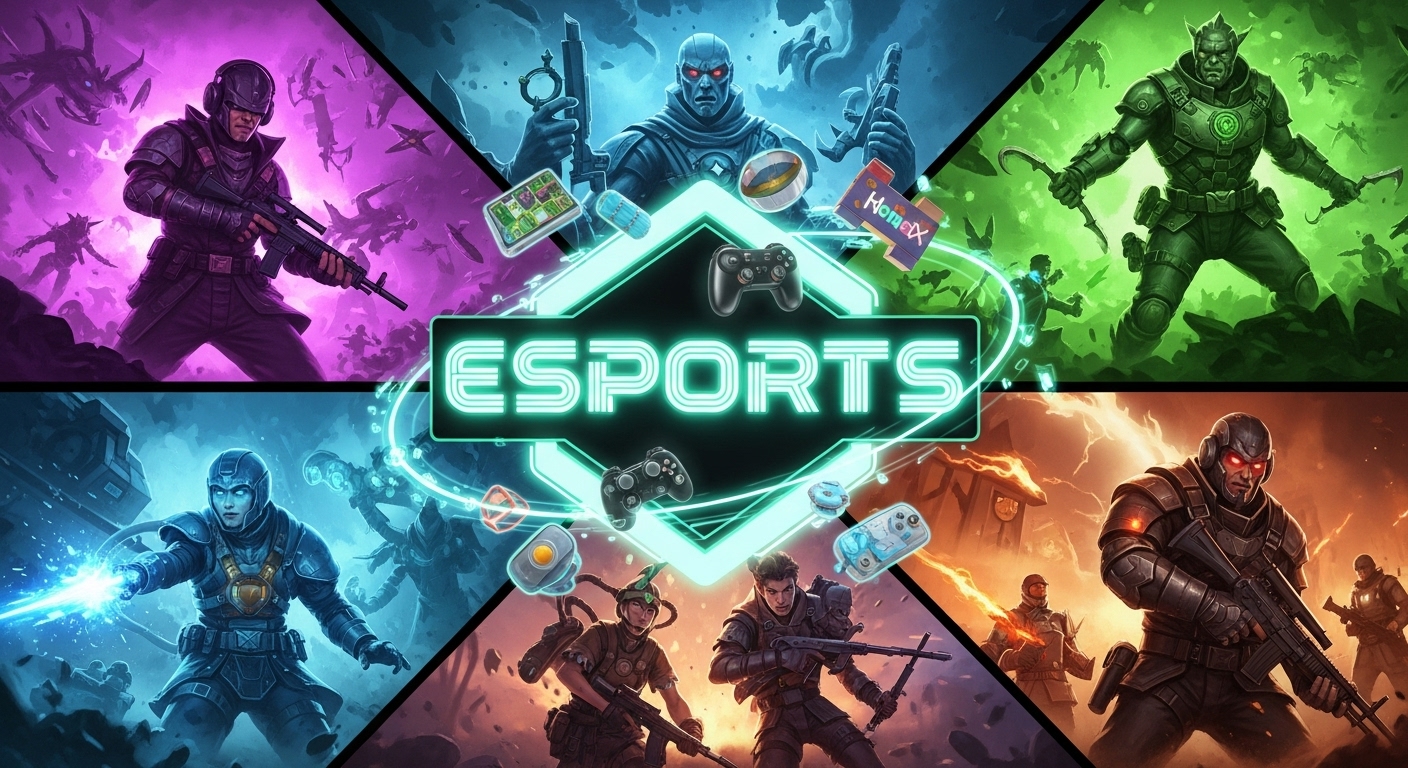
Esports encompasses a wide range of genres, each with distinct gameplay mechanics, strategies, and audiences.
Multiplayer Online Battle Arenas (MOBAs)
MOBAs, such as League of Legends and Dota 2, are among the most popular esports genres. Teams of players compete in strategic, real-time matches with the goal of destroying the opponent’s base. MOBAs emphasize teamwork, strategy, and individual skill.
First-Person Shooters (FPS)
FPS games, including Counter-Strike: Global Offensive, Call of Duty, and Overwatch, focus on precision, reflexes, and tactical coordination. FPS tournaments attract large audiences due to fast-paced gameplay and the excitement of head-to-head competition.
Real-Time Strategy (RTS) Games
RTS games, such as StarCraft II, require players to manage resources, build units, and control armies in real time. These games highlight strategic thinking, multitasking, and foresight. Although RTS popularity has declined relative to MOBAs and FPS, they played a foundational role in competitive gaming.
Fighting Games
Fighting games like Street Fighter and Super Smash Bros. emphasize one-on-one battles where timing, reflexes, and combo mastery are essential. Fighting games have cultivated strong communities and are staples in events like EVO (Evolution Championship Series).
Sports Simulations
Games such as FIFA and NBA 2K replicate real-world sports in a virtual environment. Competitive tournaments mirror professional leagues, attracting both traditional sports fans and gamers.
The Business of Esports
Esports has developed into a multi-billion-dollar industry, with revenue streams spanning sponsorships, advertising, media rights, and merchandise.
Sponsorships and Partnerships
Corporate sponsorships are a primary source of revenue. Brands sponsor tournaments, teams, and players to reach highly engaged, tech-savvy audiences. Sponsors range from energy drinks and tech companies to lifestyle and apparel brands.
Media Rights and Streaming
Streaming platforms such as Twitch, YouTube Gaming, and Facebook Gaming have transformed esports into a global spectator sport. Media rights for tournaments provide income for organizers and broadcasters, while streaming enables direct monetization through subscriptions and donations.
Merchandise and In-Game Purchases
Teams and tournaments generate revenue through branded merchandise, including apparel, accessories, and collectibles. In-game purchases, skins, and virtual items also contribute to the ecosystem, often tied to esports competitions.
Professional Salaries and Prize Pools
Top esports players earn substantial salaries from teams, sponsorships, and tournament winnings. Prize pools for major events, like The International for Dota 2, have reached tens of millions of dollars, highlighting the financial scale of the industry.
Training and Professionalism in Esports
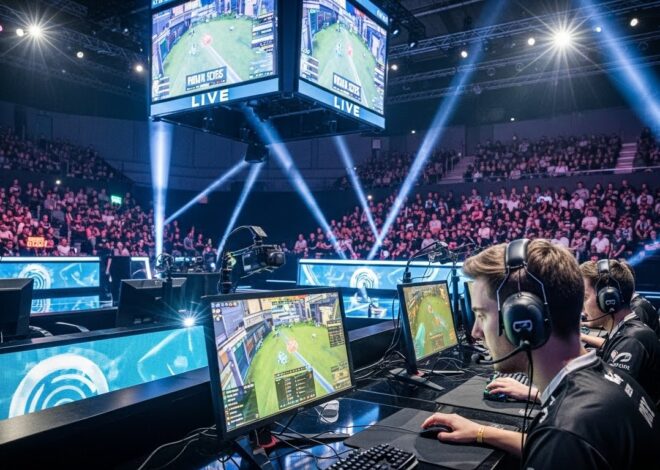
Esports players often follow highly disciplined training regimens, similar to traditional athletes. Professionalism in esports extends beyond gameplay to physical health, mental preparation, and teamwork.
Practice and Skill Development
Top players spend hours daily practicing mechanics, strategies, and communication. Mastery requires both technical skill and in-depth knowledge of game systems, maps, and opponent tendencies.
Coaching and Analysis
Teams employ coaches, analysts, and strategists to review gameplay, develop tactics, and optimize performance. Analytical tools track performance metrics, helping players improve efficiency and decision-making.
Physical and Mental Health
Competitive gaming can be physically and mentally demanding. Teams focus on ergonomics, fitness, nutrition, and mental resilience to prevent burnout and maintain peak performance. Sports psychologists and wellness programs are increasingly part of professional esports infrastructure.
Esports Tournaments and Leagues
Tournaments and leagues form the backbone of the esports ecosystem, attracting global audiences and showcasing top talent.
Major International Tournaments
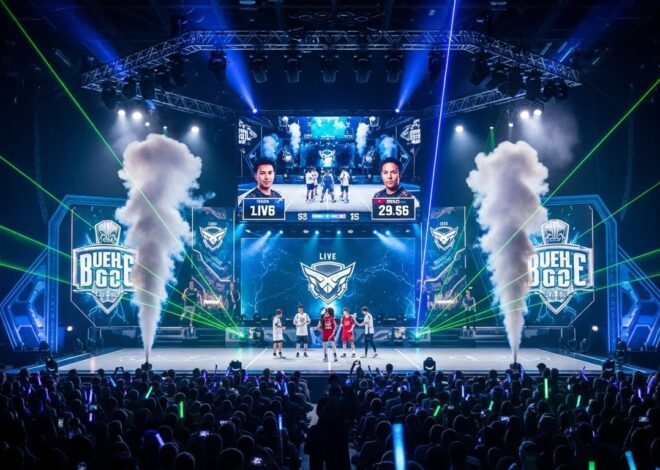
Events like The International (Dota 2), League of Legends World Championship, and CS:GO Majors offer significant prize pools and media coverage. These tournaments often fill arenas, broadcast to millions online, and generate extensive media buzz.
Regional Leagues
Regional competitions, such as North America’s LCS (League Championship Series) or Europe’s LEC (League of Legends European Championship), provide structured pathways for professional players and teams. These leagues cultivate local talent and fanbases while maintaining competitive standards.
Collegiate and Amateur Competitions
Collegiate esports programs and amateur tournaments are becoming more prominent. These competitions serve as talent pipelines for professional teams and foster early engagement with esports culture.
The Global Influence of Esports
Esports has transcended its origins to influence culture, technology, and entertainment worldwide.
Cultural Impact
Esports has created communities that share interests across countries, languages, and backgrounds. Fans engage through social media, forums, and live events, forming vibrant subcultures centered on competition and shared experiences.
Technology and Innovation
Esports has driven advancements in streaming, networking, and gaming hardware. High-performance PCs, low-latency networks, and specialized peripherals are designed to meet the demands of professional players and spectators.
Career Opportunities
Beyond playing professionally, esports offers careers in coaching, event management, broadcasting, marketing, and content creation. The industry has expanded into a diverse labor market supporting millions of jobs globally.
Education and Training Programs
Universities and institutions now offer esports programs, scholarships, and training academies. These initiatives teach game strategy, management, and industry skills, further legitimizing esports as a career path.
Challenges Facing Esports
Despite its rapid growth, esports faces several challenges that must be addressed to ensure long-term sustainability.
Health and Well-Being
Extended hours of gameplay, intense competition, and travel can impact mental and physical health. Industry stakeholders must prioritize wellness programs and sustainable training practices.
Cheating and Integrity
Cheating, hacking, and match-fixing threaten the credibility of competitive gaming. Robust anti-cheat systems, regulation, and oversight are crucial to maintain trust and legitimacy.
Accessibility and Diversity
Esports has historically faced barriers related to gender, socio-economic status, and geography. Promoting inclusivity and accessibility is critical to ensure equitable opportunities for all aspiring players.
Regulation and Governance
Esports is a global phenomenon, but regulations vary across countries. Legal frameworks, player contracts, and tournament rules require harmonization to protect stakeholders and ensure fair competition.
The Future of Esports
The future of esports promises continued expansion, innovation, and mainstream acceptance.
Integration with Traditional Sports
Collaborations between esports and traditional sports leagues are increasing. Football clubs, basketball teams, and other sports franchises are establishing esports divisions, merging fanbases and creating new forms of entertainment.
Virtual Reality and Immersive Experiences
VR and AR technologies will transform spectator and player experiences. Fans may watch tournaments from immersive perspectives, while players engage with games in fully interactive environments.
AI and Data Analytics
Artificial intelligence will enhance training, performance analysis, and tournament management. Advanced analytics will provide insights into player behavior, optimize strategies, and improve broadcasting experiences.
Global Expansion
Esports continues to grow in regions like Asia, North America, and Europe, while emerging markets in Africa, South America, and the Middle East are expanding the global audience. Increased accessibility and mobile esports are key drivers of this growth.
Esports as Mainstream Entertainment
As esports matures, it is becoming a fixture in mainstream media. Television broadcasts, celebrity endorsements, and sponsorship deals position esports alongside traditional sports as a cultural and entertainment force.
Conclusion
Esports has evolved from humble beginnings in arcades and early online networks into a global industry with professional players, international tournaments, and a passionate fanbase. Its rise reflects broader trends in technology, entertainment, and culture, blending competition, storytelling, and social connection in unique ways.
The business models, technological innovations, and professional infrastructure supporting esports demonstrate its legitimacy and sustainability. While challenges remain—such as health concerns, diversity, and regulation—the industry continues to grow, innovate, and redefine what competitive gaming means in the 21st century.
As technology advances and the global audience expands, esports is poised to become an even more prominent cultural and economic force. It is no longer just a form of entertainment—it is a worldwide phenomenon, shaping careers, communities, and the future of competitive sports.
The story of esports is ongoing, and its evolution promises to redefine gaming, entertainment, and competition for generations to come.