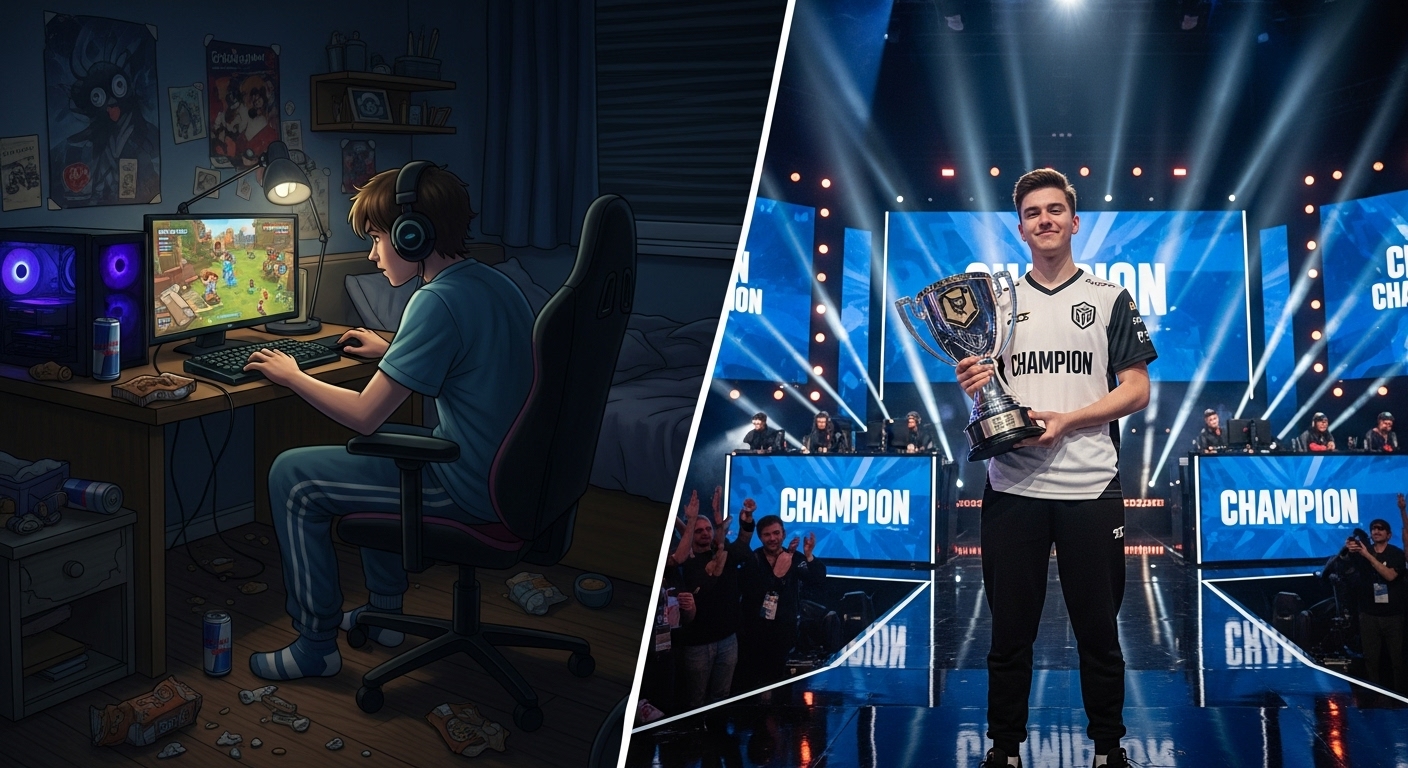
How Esports Athletes Build Personal Brands
In the rapidly growing world of esports, success isn’t measured solely by tournament victories or prize money. Today, an esports athlete’s influence is as much about their personal brand as their in-game performance. Personal branding allows players to differentiate themselves, attract sponsorships, engage fans, and build long-term career opportunities beyond active competition.
Unlike traditional athletes, esports competitors often start building their personal brands from a digital-first perspective. They are content creators, social media personalities, and community leaders, all while maintaining competitive excellence. This blog explores how esports athletes build personal brands, the strategies they use, and the impact branding has on their careers and the esports ecosystem.
Why Personal Branding Matters in Esports
Personal branding is crucial for esports athletes for several reasons:
- Financial Opportunities: Sponsorships, endorsements, merchandise, and streaming revenue often surpass tournament winnings. A strong personal brand attracts lucrative deals.
- Fan Engagement: Branding helps players connect with fans beyond gameplay, fostering loyalty and community support.
- Career Longevity: Esports careers can be short due to the competitive and mental demands. A personal brand ensures relevance even after retirement.
- Differentiation: With thousands of professional players worldwide, a unique brand helps athletes stand out in a crowded field.
Personal branding allows esports players to control their narrative, define their identity, and expand their influence beyond the game.
Core Elements of an Esports Athlete’s Personal Brand
A successful personal brand combines multiple elements that reinforce a player’s image and reach:
1. Gameplay Performance
While branding extends beyond the game, performance remains the foundation. Consistent wins, impressive highlights, and memorable plays help build credibility. Fans respect skill first, and it often drives the initial discovery of a player.
2. Personality and Character
Esports athletes cultivate an authentic personality that resonates with fans. Whether humorous, disciplined, inspiring, or relatable, personality traits humanize the player and make fans feel connected. For example, Ninja built his brand through energetic, friendly streams and a playful, competitive attitude.
3. Content Creation
Content creation is central to personal branding in esports. Athletes produce videos, livestreams, vlogs, tutorials, and social media posts to engage audiences. Platforms like Twitch, YouTube, TikTok, and Instagram allow players to reach fans beyond tournament stages.
High-quality content provides fans with entertainment, insights, and behind-the-scenes access, fostering deeper emotional attachment.
4. Visual Identity
A consistent visual identity, including logos, color schemes, and personal graphics, helps athletes stand out. Custom overlays, branded thumbnails, and even personalized merchandise reinforce recognition and professionalism.
5. Community Engagement
Engaging directly with fans is essential. Answering questions, hosting Q&A sessions, participating in Discord servers, and interacting on social media cultivates loyalty. Fans who feel personally acknowledged are more likely to support the player long-term.
6. Collaboration and Networking
Partnerships with other players, content creators, or brands expand reach. Collaborative streams, co-branded merchandise, and joint content projects increase visibility and credibility.
Strategies Esports Athletes Use to Build Personal Brands
Esports athletes employ several key strategies to develop and maintain strong personal brands:
1. Streaming Regularly
Streaming on platforms like Twitch or YouTube Gaming allows players to showcase skill, personality, and authenticity. Regular streaming keeps fans engaged, provides consistent content, and encourages interactive communication.
2. Social Media Presence
Active engagement on Twitter, Instagram, TikTok, and other platforms ensures visibility. Social media allows players to share highlights, personal life updates, memes, and opinions, making them more relatable.
3. Participating in Community Events
Esports athletes often join charity events, fan tournaments, and public appearances to interact with the community. These activities humanize the player and strengthen fan connections.
4. Merchandising and Branding Partnerships
Custom merchandise, sponsored content, and brand partnerships amplify personal identity while generating revenue. Players like Tfue and Pokimane have successfully built brands that blend esports, lifestyle, and fashion.
5. Highlighting Unique Playstyle or Persona
Developing a distinctive playstyle or persona sets an athlete apart. Signature moves, aggressive strategies, or unique in-game roles can become associated with the player, creating brand recognition.
6. Storytelling and Transparency
Sharing personal stories—overcoming challenges, training routines, or behind-the-scenes struggles—helps fans relate to the player’s journey. Transparency builds trust and emotional attachment.
7. Creating Multimedia Content
Athletes increasingly produce podcasts, short videos, tutorials, and educational content. By diversifying content formats, they reach new audiences and reinforce expertise.
Case Studies: Successful Personal Branding in Esports
1. Ninja (Tyler Blevins)
Ninja revolutionized personal branding by combining exceptional skill in Fortnite with streaming, mainstream media appearances, merchandise, and collaborations with non-gaming brands. His approachable personality and constant content output made him a household name.
2. Pokimane (Imane Anys)
Pokimane balances competitive gaming with content creation, vlogs, and community engagement. Her brand focuses on authenticity, relatability, and interaction with fans, making her one of the most influential female figures in esports.
3. Faker (Lee Sang-hyeok)
Faker, a legendary League of Legends player, builds his brand through in-game excellence, humility, and professionalism. While less flamboyant than Western streamers, his skill and consistency make him an iconic figure worldwide.
4. Shroud (Michael Grzesiek)
Shroud’s brand centers on precision gameplay and instructional content. By blending skill demonstration with friendly interaction, he maintains a loyal audience across multiple platforms.
Benefits of Strong Personal Branding
A well-established personal brand provides multiple advantages for esports athletes:
- Sponsorship and Endorsements: Brands seek influencers with engaged audiences for promotion.
- Career Longevity: A strong brand ensures opportunities beyond active competition, such as coaching, streaming, or content creation.
- Global Recognition: Personal brands elevate athletes beyond regional fame, connecting them with international audiences.
- Community Loyalty: Fans become brand advocates, amplifying visibility and supporting the player in multiple ways.
Challenges in Building a Personal Brand
While personal branding is essential, it comes with challenges:
- Balancing Competition and Content Creation: Spending too much time on branding can detract from practice and performance.
- Maintaining Authenticity: Over-commercialization or inauthentic behavior can alienate fans.
- Managing Public Scrutiny: Online communities are vocal, and athletes face criticism for both gameplay and personal behavior.
- Sustainability: Trends change rapidly, requiring constant innovation to maintain relevance.
Tips for Aspiring Esports Athletes
For emerging players, building a personal brand involves:
- Consistency: Regular content creation and fan interaction are key.
- Authenticity: Fans value genuine personalities over manufactured personas.
- Professionalism: Maintaining a positive reputation attracts sponsors and partnerships.
- Engagement: Interacting with communities, responding to fans, and participating in events builds loyalty.
- Diversification: Expanding presence across multiple platforms strengthens reach and resilience.
The Future of Personal Branding in Esports
As esports grows, personal branding will become increasingly sophisticated:
- AI and Virtual Avatars: Athletes may use AI-driven avatars for streaming, expanding content creativity.
- Interactive Fan Engagement: Fans may interact with brands through VR, AR, and immersive platforms.
- Cross-Industry Collaborations: Esports players will partner with mainstream entertainment, fashion, and tech brands more extensively.
- Long-Term Legacy Planning: Players will strategically build brands that sustain relevance even after retirement.
Conclusion: Personal Branding is the New Competitive Edge
In esports, a player’s skill alone is no longer enough. Personal branding has become a critical part of success, providing financial stability, career longevity, and global recognition. By combining performance, personality, content, and community engagement, esports athletes create brands that resonate with fans and transcend the games they play.
The strongest personal brands are authentic, consistent, and engaging. They allow athletes to leave a lasting mark on the esports industry, ensuring that even after their competitive careers end, their influence continues to shape the community.
In a world where games evolve and careers are fleeting, personal branding is the ultimate competitive edge—turning talented players into global icons.