Pixels to Podiums: The Rise of Esports as a Global Phenomenon
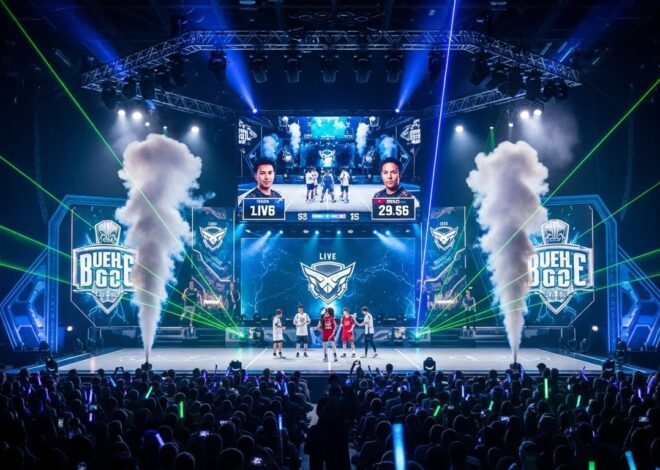
Esports, once dismissed as casual gaming, has evolved into a powerful global industry that rivals traditional sports in popularity, influence, and revenue. Competitive video gaming has transformed how people view sports, entertainment, and even careers. What began in small gaming rooms and local tournaments has grown into packed arenas, international championships, and millions of dedicated fans around the world. This blog explores the journey of esports, its cultural impact, economic influence, and the future it promises.
Understanding Esports and Its Foundations
Esports, short for electronic sports, refers to organized competitive gaming where individuals or teams compete in video games at a professional or semi-professional level. These competitions are structured with rules, leagues, tournaments, and rankings, much like traditional sports. Popular genres in esports include multiplayer online battle arenas, first-person shooters, real-time strategy games, and sports simulation games.
Unlike casual gaming, esports demands intense practice, strategic thinking, teamwork, and fast reflexes. Professional players often train for several hours a day, analyzing gameplay, refining tactics, and maintaining peak performance. This level of dedication has helped esports gain legitimacy as a serious competitive field.
The Evolution of Competitive Gaming
The roots of esports can be traced back to the early days of video gaming, when small competitions were held among friends or local communities. As gaming technology improved and internet connectivity expanded, competitive gaming found a larger audience. Online multiplayer games enabled players from different regions to compete, laying the groundwork for global tournaments.
Over time, game developers and organizers recognized the potential of competitive gaming. Structured leagues, sponsorships, and professional teams began to emerge. Esports events grew in scale, offering substantial prize pools and attracting millions of viewers. What was once a niche hobby became a mainstream form of entertainment.
The Role of Technology in Esports Growth
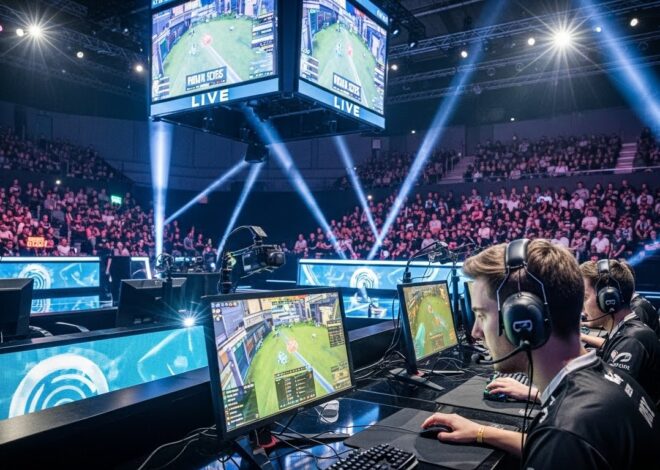
Technology has been the driving force behind the rapid growth of esports. High-performance gaming hardware, advanced graphics, and reliable internet connections have elevated the competitive experience. Streaming platforms have allowed fans to watch live matches, follow their favorite players, and engage with esports content in real time.
Advancements in broadcasting technology have also enhanced the viewing experience. High-definition visuals, instant replays, live commentary, and data-driven analysis make esports events engaging and accessible. Technology has not only enabled esports to exist but has also shaped how it is consumed and appreciated worldwide.
Esports as a Cultural Movement
Esports has grown beyond competition to become a cultural phenomenon. It has influenced fashion, music, language, and social trends, especially among younger generations. Gaming communities foster strong identities, where fans connect over shared interests and favorite teams or players.
This cultural impact is evident in the way esports athletes are celebrated. Professional gamers often enjoy celebrity status, with loyal fan bases and significant influence on social media. Esports has created a new form of role models, inspiring aspiring players to pursue gaming seriously and responsibly.
Economic Impact of the Esports Industry
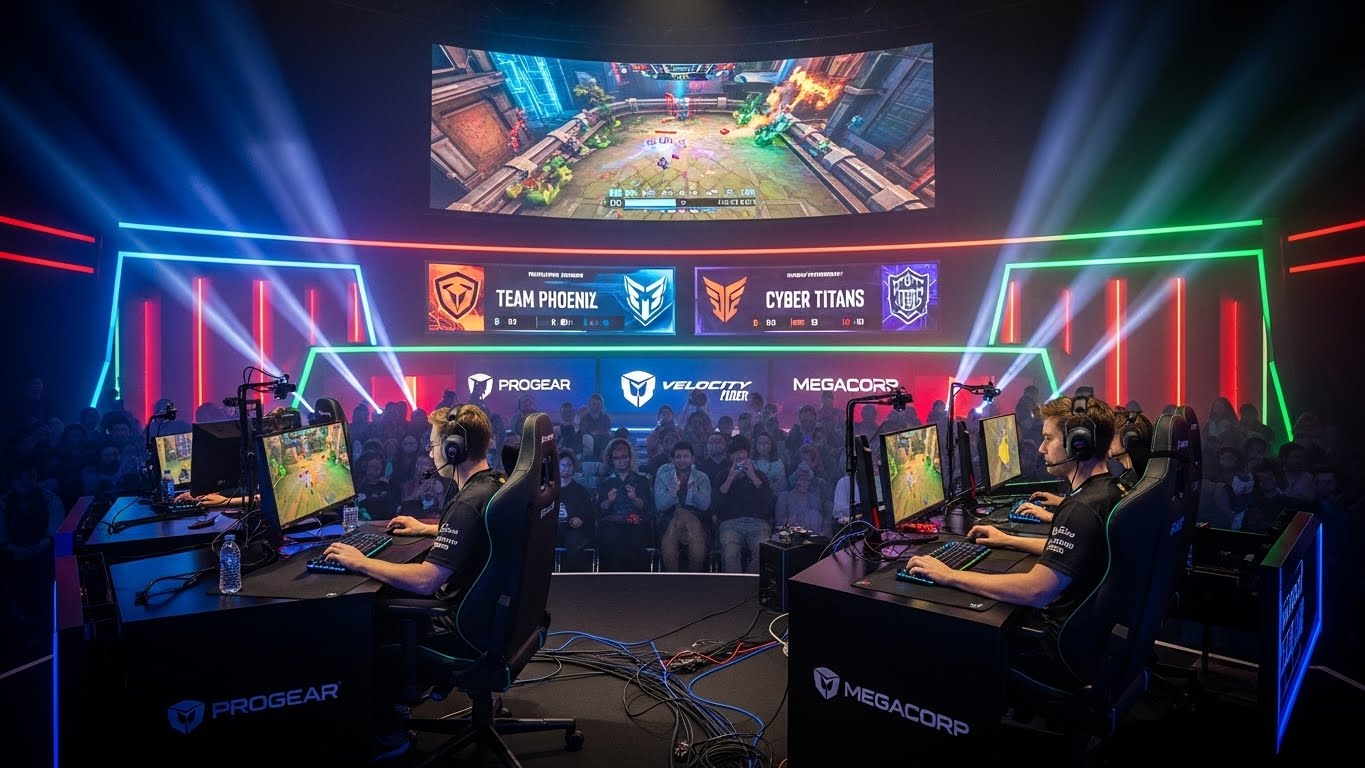
The esports industry has become a major economic force. Revenue streams include sponsorships, advertising, merchandise, ticket sales, and media rights. Major brands across technology, apparel, food, and entertainment sectors have invested heavily in esports, recognizing its massive and engaged audience.
Esports also generates employment opportunities beyond players. Coaches, analysts, event organizers, broadcasters, content creators, and marketing professionals all play vital roles in the ecosystem. As the industry continues to grow, it contributes significantly to local and global economies.
Professional Players and Team Dynamics
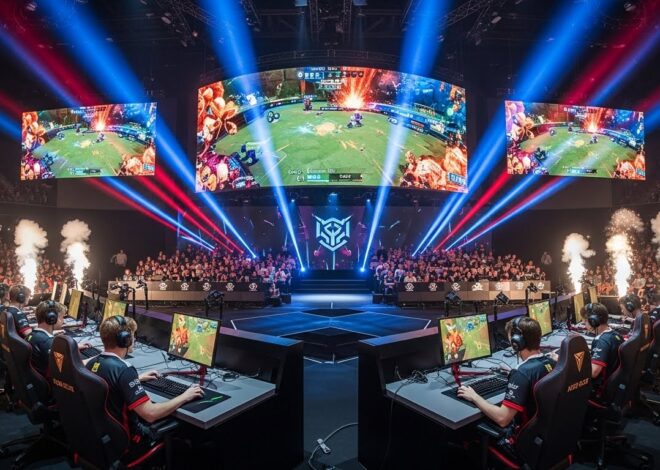
At the heart of esports are the players, whose skill and dedication drive the competition. Professional esports players often specialize in a single game, mastering its mechanics, strategies, and updates. Team-based esports emphasize coordination, communication, and trust, making teamwork as crucial as individual skill.
Players face intense pressure to perform consistently at a high level. Mental resilience, adaptability, and discipline are essential traits. Many teams employ coaches and sports psychologists to support player development and well-being. This professional structure mirrors traditional sports, reinforcing esports’ legitimacy.
Training, Discipline, and Mental Strength
Contrary to the stereotype of gaming as a sedentary activity, esports requires rigorous training and discipline. Players follow structured practice schedules, review match footage, and analyze opponents. Reaction time, decision-making speed, and hand-eye coordination are critical skills that demand constant refinement.
Mental health is an increasingly important topic in esports. Long practice hours, competition stress, and public scrutiny can take a toll on players. As awareness grows, organizations are focusing more on balanced routines, physical fitness, and psychological support to ensure long-term success and sustainability.
Esports and Education Opportunities
Esports has also found a place in education. Schools and universities are introducing esports programs, offering scholarships and competitive teams. These initiatives help legitimize esports as a pathway for skill development, leadership, and teamwork.
Educational esports programs often emphasize more than gaming skills. Students learn strategic thinking, communication, event management, and digital literacy. By integrating esports into education, institutions prepare students for diverse careers in technology, media, and entertainment.
Global Reach and International Competitions
One of esports’ greatest strengths is its global reach. Players and teams from different countries compete on equal footing, united by shared games and platforms. International tournaments showcase cultural diversity while fostering mutual respect and collaboration.
This global nature makes esports a powerful tool for cross-cultural connection. Fans from different backgrounds celebrate victories, analyze matches, and engage in discussions together. Esports demonstrates how digital competition can bring people together beyond geographical boundaries.
Challenges Facing the Esports Industry
Despite its success, esports faces several challenges. Issues such as player burnout, inconsistent regulations, cheating, and lack of standardized governance remain concerns. The rapid pace of growth sometimes outpaces the development of supportive structures and policies.
Additionally, inclusivity and diversity are ongoing topics. Encouraging broader participation across genders and regions is essential for sustainable growth. Addressing these challenges requires collaboration among developers, organizers, teams, and the wider community.
The Future of Esports
The future of esports appears bright and full of potential. As technology continues to advance, esports experiences will become more immersive and interactive. Virtual reality, augmented reality, and advanced analytics may redefine how games are played and watched.
Esports is also likely to integrate more closely with traditional sports and entertainment. Hybrid events, mainstream media coverage, and broader audience engagement will continue to expand its reach. With increasing investment and innovation, esports is poised to become a lasting pillar of global entertainment.
Esports as a New Form of Sport
Esports challenges traditional definitions of sport by emphasizing mental agility, strategy, and digital skill over physical exertion. Yet, it shares many core elements with conventional sports, including competition, training, teamwork, and fan engagement.
As perceptions evolve, esports is increasingly recognized as a legitimate sport in its own right. Its inclusion in multi-sport events and growing institutional support reflect this shift. Esports represents the changing nature of competition in a digital age.
Conclusion: The Digital Arena of Tomorrow
Esports is more than just gaming; it is a reflection of how technology, culture, and competition intersect in the modern world. From humble beginnings to global arenas, esports has reshaped entertainment and redefined what it means to be an athlete.
As the industry matures, it will continue to inspire innovation, create opportunities, and connect people worldwide. Esports stands as a testament to the power of passion, skill, and digital creativity. The journey from pixels to podiums is far from over, and the future of esports promises excitement, growth, and endless possibilities.