Pixels to Powerhouses: How Esports Redefined Competition in the Digital Age
Introduction: The Rise of a New Arena
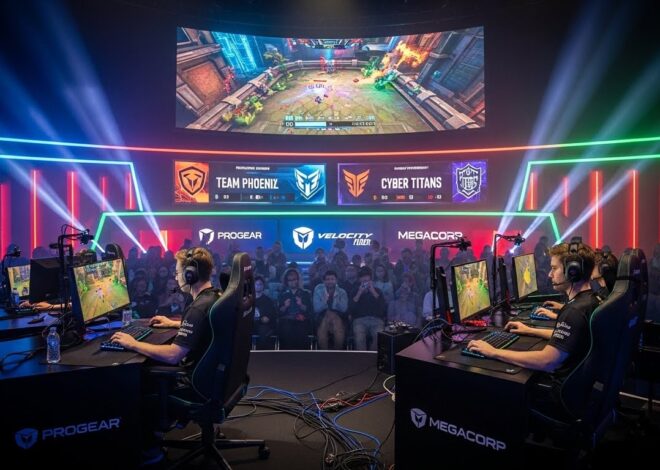
Esports, once dismissed as a pastime for hobbyists, has transformed into a global phenomenon that rivals traditional sports in scale, passion, and professionalism. What began in small internet cafés and local tournaments has evolved into sold-out stadium events, international leagues, and multi-million-dollar prize pools. Today, esports is not just about playing video games; it is about strategy, teamwork, entertainment, business, and culture. This blog explores how esports emerged, why it matters, and where it is heading in the modern digital era.
Understanding Esports Beyond Gaming
At its core, esports refers to organized competitive video gaming where individuals or teams compete under structured rules. Unlike casual gaming, esports demands discipline, practice, and mastery of complex mechanics. Players train for hours daily, analyze gameplay footage, and work with coaches, analysts, and support staff. This professional environment mirrors traditional sports, replacing physical drills with mechanical precision, mental agility, and tactical awareness.
Esports titles vary widely, including strategy-based games, first-person shooters, sports simulations, and multiplayer battle arenas. Each genre requires a distinct skill set, ensuring that esports is not a single experience but a diverse ecosystem of competitive formats.
A Brief History of Competitive Gaming
Competitive gaming has roots stretching back several decades. Early tournaments were small and experimental, often organized by developers or gaming communities. As internet access expanded, online multiplayer games allowed competition across regions and countries. This connectivity laid the foundation for professional leagues and international championships.
The turning point came with the rise of live streaming platforms, which allowed fans to watch matches in real time. Suddenly, esports was no longer hidden in basements or local venues. It became a spectator sport with commentators, analysis desks, and dedicated fanbases. This visibility attracted sponsors, investors, and mainstream media attention, accelerating growth at an unprecedented pace.
The Esports Athlete: Skill, Discipline, and Mindset
Professional esports players are often misunderstood as simply talented gamers. In reality, they are high-performance competitors who rely on a combination of reflexes, strategic thinking, teamwork, and mental resilience. Reaction times measured in milliseconds can determine victory or defeat. Decision-making under pressure is constant, and consistency is essential across long tournament schedules.
Mental health and physical well-being have also become priorities in esports. Teams now emphasize proper sleep, exercise, nutrition, and psychological support. This holistic approach reflects a growing understanding that peak performance requires balance, not just endless practice.
Teams, Organizations, and Leagues
Esports organizations function similarly to traditional sports clubs. They sign players to contracts, provide training facilities, manage branding, and compete across multiple titles. Some organizations operate internationally, fielding teams in different regions and games.
Leagues and tournament circuits bring structure and continuity to competition. Seasonal formats, rankings, and playoffs create storylines that engage fans year-round. This consistency helps build loyalty, rivalries, and a sense of history within the esports scene.
The Role of Technology and Innovation
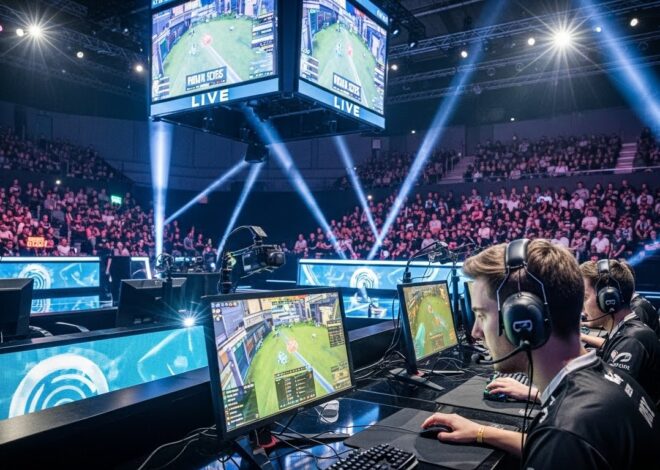
Technology is the backbone of esports. High-performance computers, low-latency internet, and advanced broadcasting tools make competitive play possible at the highest level. Innovations such as real-time statistics, player cameras, and immersive production techniques enhance the viewing experience.
Artificial intelligence and data analytics are also shaping esports strategy. Teams analyze vast amounts of gameplay data to refine tactics, predict opponents’ behavior, and identify areas for improvement. This analytical depth adds another layer of sophistication to competition.
Esports as Entertainment and Culture
Esports is more than competition; it is entertainment. Fans tune in not only for gameplay but also for personalities, narratives, and community interaction. Streamers, commentators, and content creators play a crucial role in shaping the culture around esports, making it accessible and engaging.
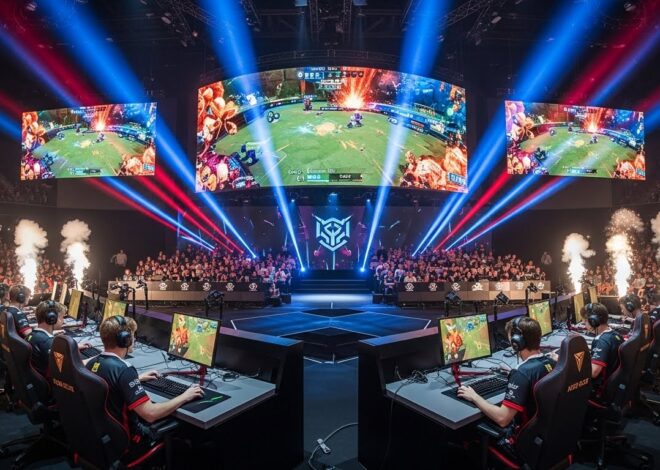
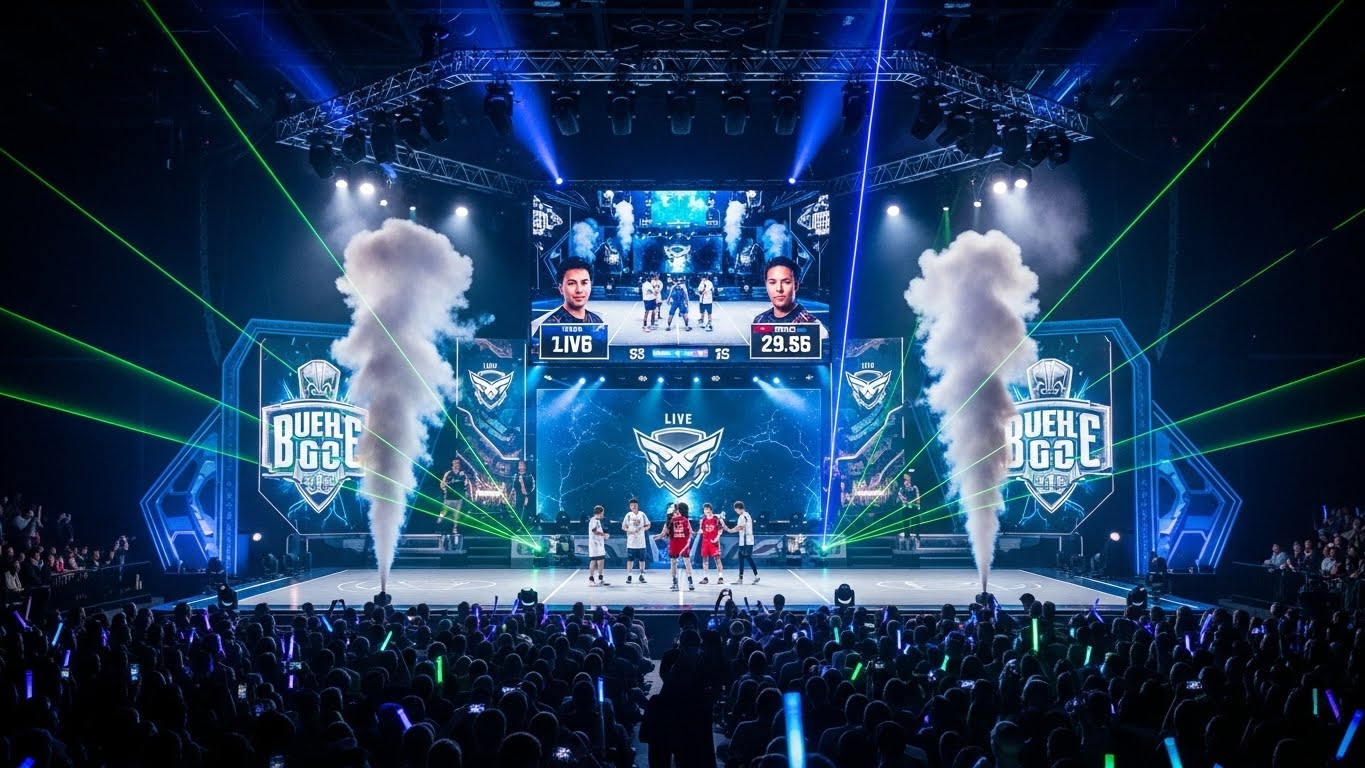
This culture is deeply rooted in digital communities. Fans interact through chats, social platforms, and live events, creating a shared identity that transcends geography. Esports events often feel like festivals, blending competition with music, cosplay, and fan experiences.
Economic Impact and Career Opportunities
The esports industry supports a wide range of careers beyond playing. Coaches, analysts, broadcasters, event managers, marketers, designers, and developers all contribute to the ecosystem. Educational institutions are beginning to offer programs focused on esports management and production, recognizing its long-term potential.
Sponsorships, advertising, merchandise, and media rights generate significant revenue. While financial sustainability remains a challenge for some organizations, the overall economic footprint of esports continues to expand, attracting interest from major brands and investors.
Esports and Traditional Sports: A Converging Path
The line between esports and traditional sports is increasingly blurred. Many sports organizations have invested in esports teams, seeing them as a way to connect with younger audiences. Athletes from traditional sports have also shown interest in competitive gaming, recognizing the shared values of discipline and competition.
This convergence has sparked debates about legitimacy and recognition. While esports may not require physical exertion in the same way, it demands exceptional skill and preparation. As acceptance grows, esports is carving out its own identity while learning from the structures of established sports.
Challenges Facing the Esports Industry
Despite its growth, esports faces several challenges. Player burnout is a significant concern due to intense schedules and high expectations. Maintaining competitive integrity, preventing cheating, and ensuring fair governance are ongoing issues.
Financial stability is another hurdle. Not all tournaments or teams are profitable, and reliance on sponsorship can be risky. Addressing these challenges requires thoughtful regulation, long-term planning, and collaboration across the industry.
The Global Reach of Esports
One of esports’ greatest strengths is its global nature. Players and fans come from every corner of the world, united by shared interests rather than physical proximity. International tournaments showcase diverse cultures and playstyles, enriching the competitive landscape.
This global reach also presents opportunities for inclusivity. Esports can be more accessible than traditional sports, requiring fewer physical barriers to entry. As infrastructure improves, emerging regions are gaining prominence and producing top-tier talent.
The Future of Esports
The future of esports is shaped by innovation, community, and adaptability. Advances in virtual reality, augmented reality, and interactive viewing may redefine how fans experience competition. Greater emphasis on player welfare and sustainable business models will be essential for long-term success.
As esports continues to mature, it will likely gain broader recognition as a legitimate form of sport and entertainment. Its ability to evolve alongside technology ensures that it remains relevant in a rapidly changing digital world.
Conclusion: A New Definition of Competition
Esports has redefined what competition looks like in the digital age. It blends technology, skill, and community into a dynamic global movement that continues to grow and adapt. From grassroots tournaments to world championships, esports represents a new frontier where pixels become powerhouses and passion knows no boundaries.
As audiences expand and opportunities multiply, esports stands as a testament to how human competition can thrive in virtual spaces. It is no longer a niche interest but a cultural force shaping the future of sports and entertainment.