Digital Battlegrounds: The Rise of Esports as a Global Powerhouse
Esports has emerged as one of the most influential forces in modern entertainment and competition. What began as friendly gaming sessions among enthusiasts has grown into a global industry featuring professional athletes, massive audiences, and international tournaments. Esports is no longer confined to bedrooms or gaming cafés; it now fills arenas, attracts sponsors, and shapes youth culture worldwide. Its growth reflects a broader transformation in how society views competition, skill, and digital interaction.
Understanding Esports in the Modern World
Esports, short for electronic sports, refers to organized competitive video gaming. Players or teams compete in structured tournaments using video games that require skill, strategy, and coordination. Unlike casual gaming, esports emphasizes discipline, training, and performance under pressure.
Games played in esports span various genres, including strategy, shooting, fighting, and sports simulations. Each genre demands different abilities, from fast reflexes and precise timing to long-term planning and teamwork. This diversity allows esports to appeal to a wide audience and showcase multiple forms of intelligence and skill.
The Early Roots of Competitive Gaming
The origins of esports can be traced back to the early days of video gaming. In the late twentieth century, players gathered in arcades and local venues to compete for high scores and recognition. These early competitions were informal but planted the seeds for organized play.
As home computers and consoles became widespread, competitive gaming expanded. Local area network matches and early online games allowed players to challenge opponents beyond their immediate surroundings. Over time, dedicated communities formed around popular titles, leading to structured tournaments and the foundation of professional esports.
The Transition to Professional Esports
The transformation of esports into a professional industry marked a turning point in its history. Organized leagues, consistent rules, and large-scale tournaments created a framework similar to traditional sports. Players began signing contracts, joining teams, and training full time.
Professional esports teams operate with coaches, analysts, and support staff. Players practice for hours each day, studying gameplay, refining strategies, and improving coordination. This level of commitment highlights the seriousness of esports and challenges the misconception that gaming lacks discipline or effort.
Esports Athletes and Skill Development
Esports athletes possess a unique combination of skills. Quick decision-making, hand-eye coordination, strategic thinking, and adaptability are essential for success. Many games require players to process vast amounts of information in real time, responding instantly to changing situations.
Team-based esports demand strong communication and trust. Players must coordinate movements, share information, and execute plans flawlessly. These skills are developed through consistent practice and experience, reinforcing the idea that esports athletes are highly trained competitors.
Mental Strength and Psychological Demands
The mental demands of esports are significant. Players face intense pressure during competitions, where a single mistake can determine the outcome. Managing stress, staying focused, and maintaining emotional control are crucial for consistent performance.
Esports also teaches resilience. Players experience losses, setbacks, and criticism, learning to adapt and improve. This mental toughness extends beyond gaming, helping individuals develop confidence and perseverance in other areas of life.
The Role of Technology in Esports Growth
Technology is the backbone of esports. High-speed internet, powerful hardware, and advanced game design enable competitive play at a global scale. Improvements in graphics, responsiveness, and server stability have enhanced both player performance and viewer experience.
Streaming technology has also played a major role in esports expansion. Audiences can watch matches live, follow their favorite players, and engage with communities in real time. This accessibility has helped esports reach millions of fans worldwide, turning competitive gaming into a shared global experience.
Community and Fan Culture
Esports thrives on its passionate communities. Fans support teams and players with enthusiasm similar to traditional sports supporters. Online discussions, live chats, and fan events create spaces for interaction and shared excitement.
Community engagement is a defining feature of esports culture. Fans often have direct access to players through streams and social platforms, creating a sense of closeness and authenticity. This connection strengthens loyalty and makes esports more interactive than many traditional forms of entertainment.
Economic Impact of the Esports Industry
The esports industry has grown into a powerful economic force. Revenue is generated through tournaments, sponsorships, merchandise, broadcasting, and game-related services. Major events attract global audiences and significant investment.
Esports also creates employment opportunities beyond players. Careers in coaching, event management, broadcasting, marketing, graphic design, and software development are all part of the ecosystem. The industry supports innovation and entrepreneurship, contributing to the broader digital economy.
Esports and Education
Educational institutions are increasingly recognizing the value of esports. Schools and universities offer esports programs, clubs, and scholarships, integrating competitive gaming into academic environments. These programs teach teamwork, strategic thinking, communication, and digital literacy.
Esports in education also provides alternative pathways for students who may not engage with traditional sports. By aligning learning with student interests, esports programs promote engagement, motivation, and skill development relevant to modern careers.
Inclusivity and Accessibility in Esports
One of the strengths of esports is its accessibility. Physical attributes such as height or strength are not primary factors, allowing individuals of various backgrounds and abilities to compete on equal footing. This inclusivity has contributed to esports’ global appeal.
Efforts to promote diversity continue to grow. Initiatives supporting underrepresented groups aim to create welcoming environments and equal opportunities. A diverse esports community enriches competition, creativity, and cultural representation.
Challenges Facing Esports
Despite its success, esports faces challenges that must be addressed. Player burnout is a significant concern, as long practice hours and high expectations can impact health and well-being. Responsible organizations are beginning to prioritize balance, mental health support, and sustainable schedules.
Another challenge is maintaining integrity. Preventing cheating, ensuring fair play, and establishing consistent regulations are essential for long-term credibility. As esports continues to grow, strong governance and ethical standards will be increasingly important.
Global Reach and Cultural Influence
Esports has become a truly global phenomenon. Competitive scenes thrive across Asia, Europe, North America, and other regions. International tournaments bring together players and fans from different cultures, fostering mutual respect and understanding.
Esports also influences popular culture. Fashion, language, music, and digital art inspired by gaming have entered mainstream media. Competitive gaming reflects the values of a digital generation that values creativity, connectivity, and innovation.
Esports as Entertainment and Spectacle
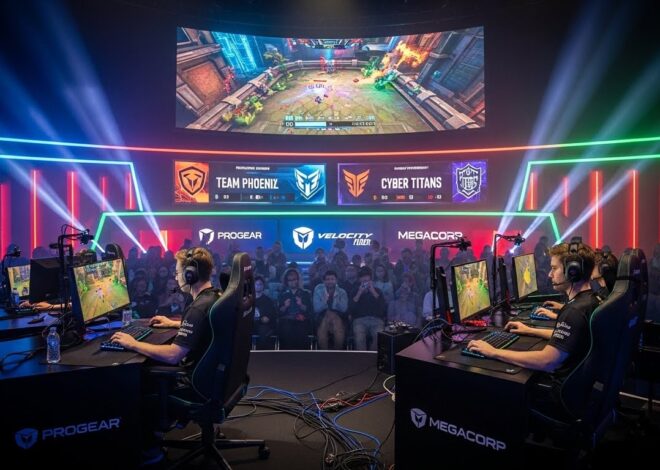
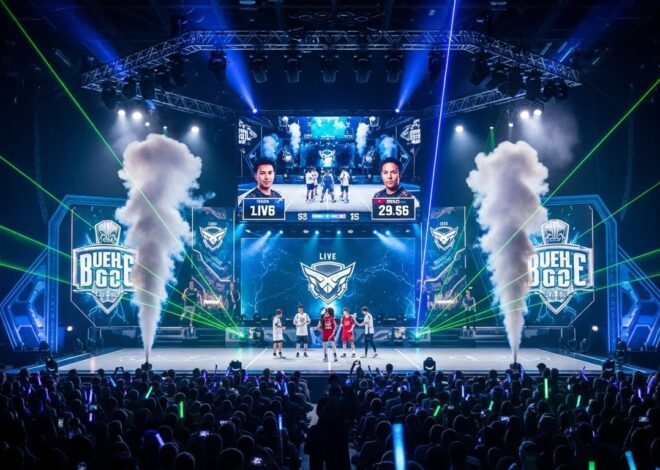
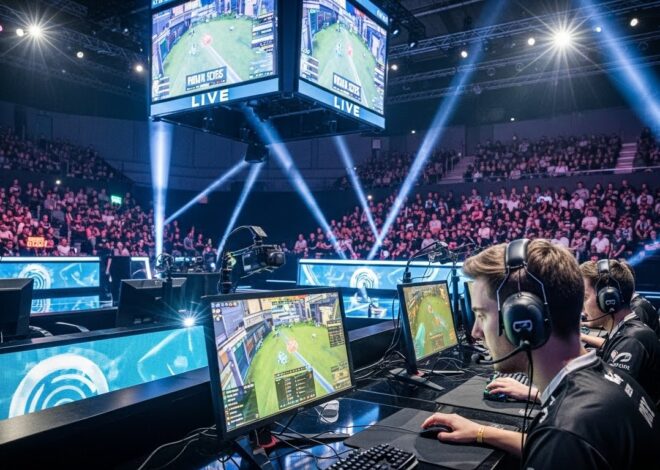
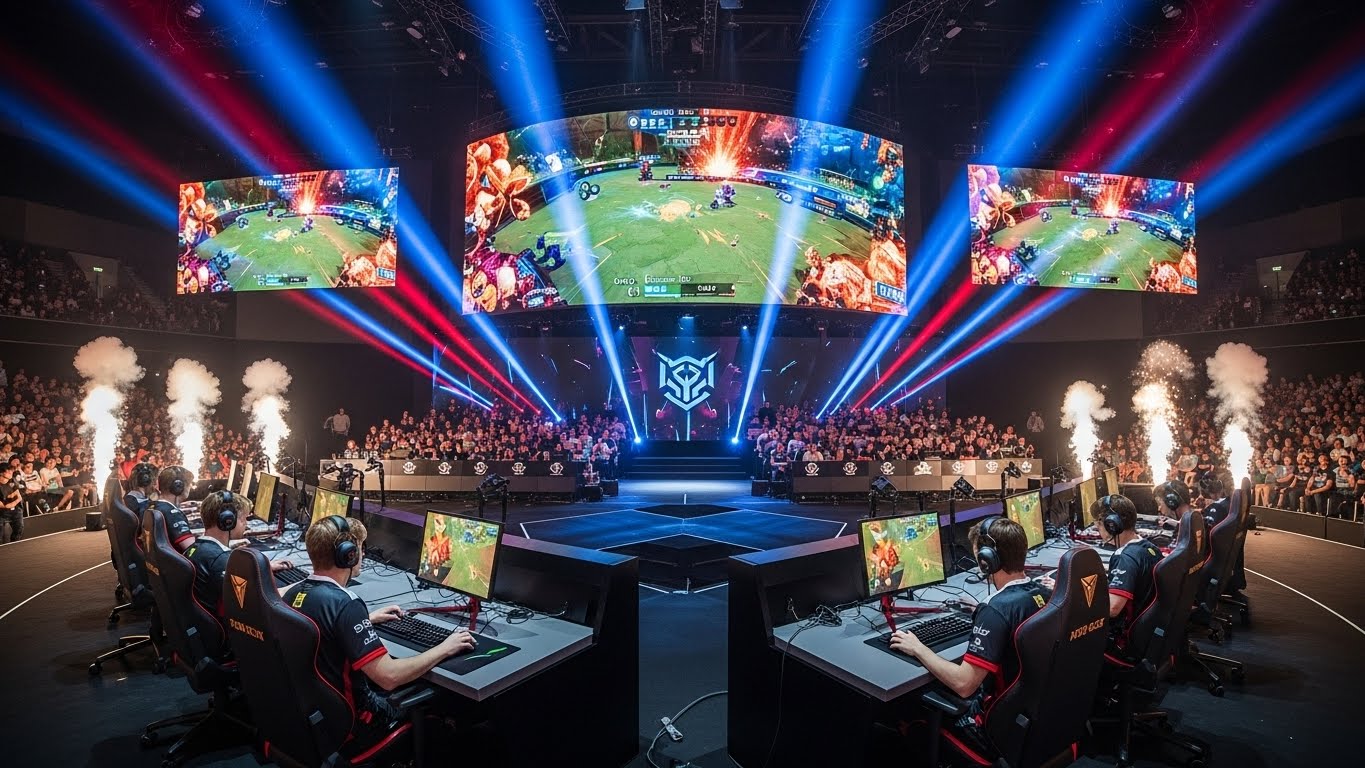
Watching esports is a thrilling experience. Matches are fast-paced, unpredictable, and emotionally engaging. Commentary, production quality, and live audiences enhance the spectacle, making esports events comparable to major sporting competitions.
Spectators develop strong emotional connections to teams and players. The drama of competition, combined with personal stories of perseverance and success, creates compelling narratives that captivate audiences worldwide.
The Future of Esports
The future of esports is filled with potential. Advancements in virtual environments, artificial intelligence, and interactive viewing experiences will continue to shape the industry. New games and formats will attract fresh audiences and expand competitive possibilities.
Esports is also likely to integrate further with mainstream entertainment, education, and technology. As society becomes increasingly digital, competitive gaming will remain at the forefront of innovation and cultural change.
Conclusion: Esports as a New Era of Competition
Esports represents a new chapter in the history of competition. It combines skill, strategy, technology, and community into a powerful global movement. Far from being a temporary trend, esports has established itself as a legitimate sport and cultural force.
Through professional careers, educational opportunities, and global connection, esports continues to redefine what it means to compete and succeed. Digital battlegrounds have become places where talent is forged, communities are built, and champions are made.
As esports continues to evolve, it will shape the future of entertainment, sport, and digital culture. Its impact extends far beyond the screen, proving that competition in the modern age is not limited to physical arenas but thrives equally in the digital world.