Beyond the Screen: How Esports Is Redefining Competition, Community, and Culture
Introduction: The New Age of Competitive Entertainment
Over the past decade, esports has transformed from a niche interest into a global phenomenon. What began as small gatherings of passionate gamers has now evolved into massive stadium events, multi-million-dollar tournaments, and professional teams backed by major organizations. This transformation didn’t happen overnight. It grew out of the innate human desire for competition, community, and entertainment. Today, esports stands shoulder-to-shoulder with traditional sports, capturing the attention of millions of fans worldwide. This blog explores how esports has reshaped modern culture, influenced technology, built careers, and created a future that merges virtual and physical worlds.
The Evolution of Esports: From Arcades to Arenas
Esports didn’t appear suddenly—it evolved gradually through decades of gaming innovation. In the early days, arcades buzzed with competitive spirit as players fought for the highest score on iconic machines. As home consoles and PCs improved, competitive gaming moved into living rooms and small LAN tournaments where friends tested their skills face-to-face.
The true breakthrough came with online multiplayer games, enabling players from across the world to compete without geographical limits. Titles like strategy, shooter, and MOBA games helped define the structure of modern esports. Developers started designing games with competitive ecosystems in mind, and organizations began hosting structured tournaments with real prize pools. This set the stage for the professionalization of esports and the birth of global leagues.
Professional Players: Athletes of the Digital Age
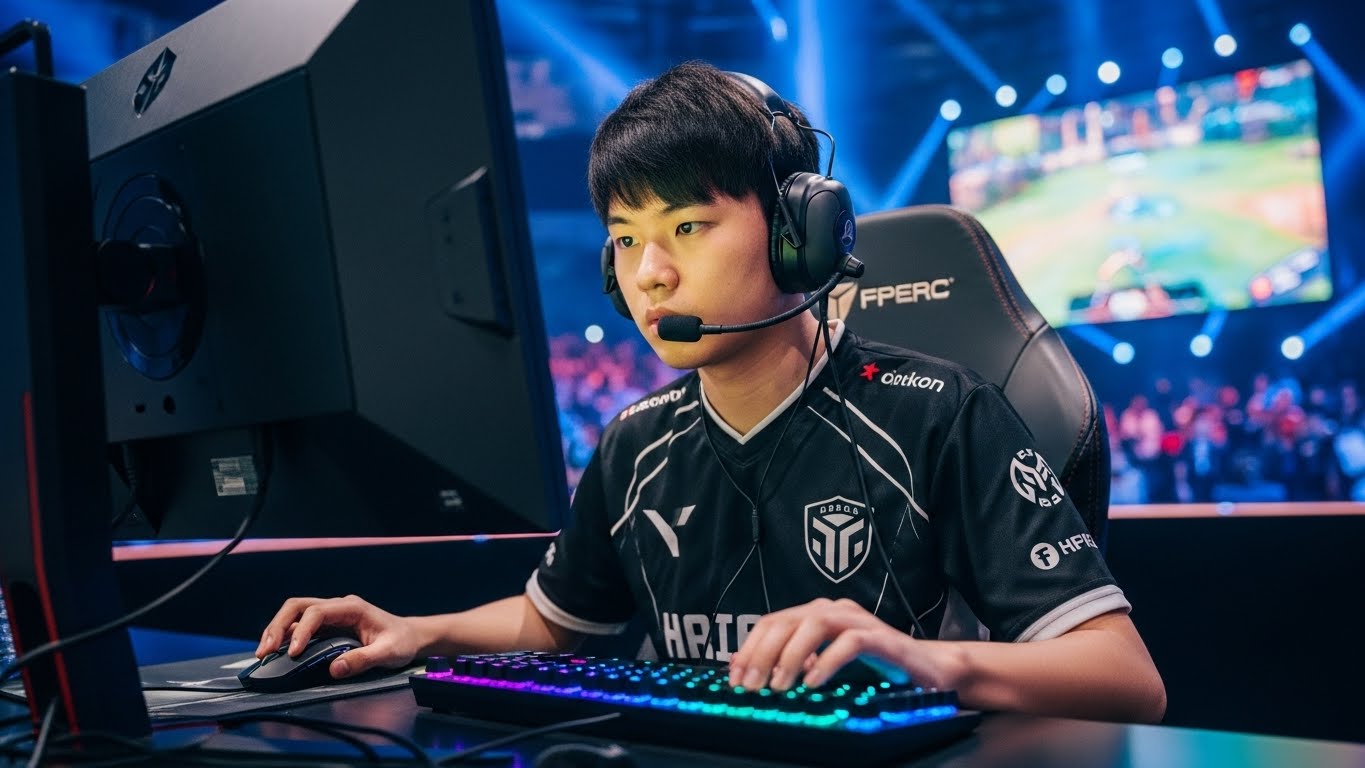
There is a common misconception that esports players sit in front of screens without facing physical or mental challenges. In reality, professional gamers undergo rigorous training similar to traditional athletes. Their daily routines often include long practice sessions, strategy reviews, coaching, physical workouts, and mental conditioning.
Reflex speed, coordination, hand-eye precision, and decision-making skills are crucial for success. Top players make split-second choices while managing complex game mechanics. They must also maintain strong communication with their teammates, especially in team-based titles. The pressure in high-stakes tournaments is intense, and only those who can manage stress and stay focused rise to the top. As a result, esports athletes have become respected competitors with dedicated fanbases and recognition across the world.
The Role of Technology in Driving Esports Forward
Esports would not exist without advanced technology. The rise of high-speed internet, powerful gaming hardware, and online platforms created an environment where competitive gaming could flourish. Improved graphics and faster processors offer smoother gameplay, allowing players to perform at their peak.
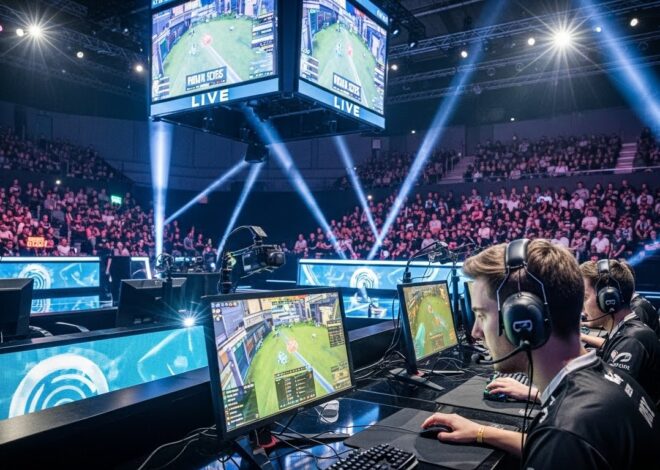
Broadcasting technology also plays a major role. Thanks to sophisticated streaming software, fans can watch live games from anywhere on the planet. Commentators, production teams, and analysts add depth to broadcasts, making esports events look as polished as traditional sports broadcasts. Virtual overlays, instant replays, and real-time statistics enhance the viewer experience, creating a dynamic and engaging atmosphere.
Artificial intelligence and data analytics have also made their way into esports. Teams now use data to track player performance, analyze strategies, and gain insights into opponents’ strengths and weaknesses. This technological integration continues to push esports into new territory, making it one of the most digitally advanced competitive industries in the world.
Global Tournaments: The Heartbeat of Esports Culture
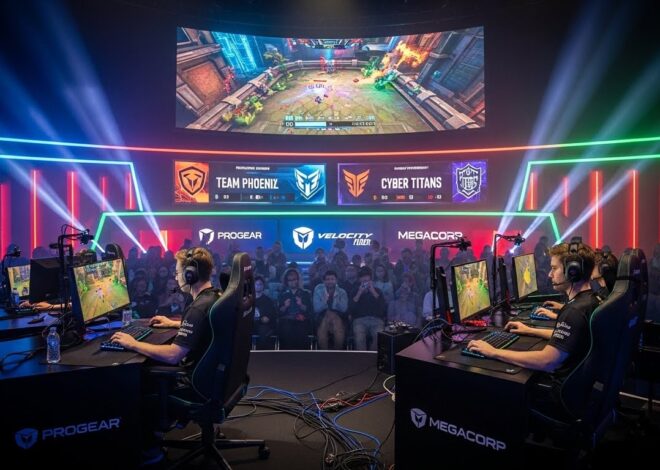
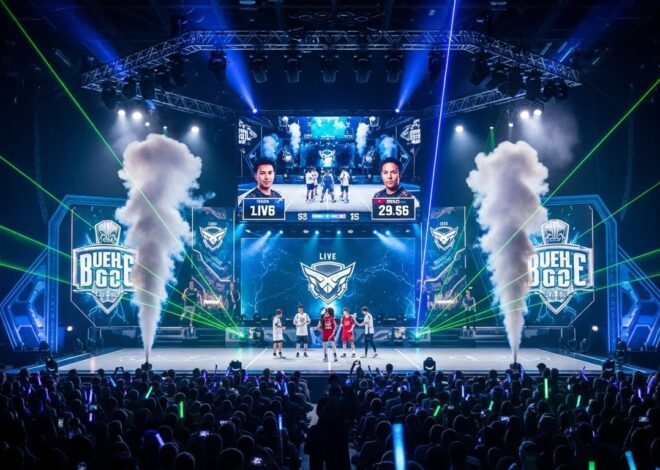
Nothing showcases the massive scale of esports like international tournaments. These events draw millions of viewers online and fill stadiums with cheering fans. Teams travel across continents to compete for trophies, prestige, and large prize pools. Each event is more than just a competition—it is a celebration of gaming culture.
Music performances, opening ceremonies, fan activities, and cosplay all contribute to the electrifying atmosphere. Fans dress as their favorite characters, hold banners supporting teams, and immerse themselves in the excitement. The energy inside an esports arena rivals that of any major sports event, proving that competitive gaming has truly earned its place in global entertainment.
Tournaments also serve as gateways for new talent. Amateur players often gain recognition through smaller competitions, allowing them to climb the ranks and join professional organizations. This pathway keeps the esports scene fresh, competitive, and full of emerging stars.
Streaming: The Bridge Between Players and Fans
One of the most influential developments in esports is the rise of streaming platforms. They have changed the way players interact with their audiences and how fans engage with games. Streamers can build communities, share live gameplay, provide commentary, and create entertainment for viewers worldwide.
Streaming has transformed many gamers into influencers and celebrities. Some streamers become more popular than professional players, thanks to their charisma, humor, or educational content. This has created an ecosystem where gaming is not just competitive but also a form of digital entertainment shaped by personality and creativity.
Viewers enjoy the authenticity of live streams because they feel connected to the streamer, forming bonds that traditional media can rarely offer. Many fans see streamers as mentors who help them improve their skills, or as friends who provide comfort through entertainment. This unique relationship has helped drive the rapid expansion of esports communities.
Esports as a Career: Beyond Playing Games
The esports industry offers a wide range of career opportunities. While professional players may receive the most attention, many individuals work behind the scenes to support tournaments, teams, and content creation.
Esports careers include:
- Coaches and analysts: who study gameplay and create strategies
- Game developers: who design competitive features
- Broadcast teams: including commentators, hosts, and production staff
- Event managers: who plan and organize tournaments
- Marketing specialists: who promote teams and build communities
- Content creators: who produce videos, articles, and guides
Universities have begun offering scholarships for esports players, and academic programs focusing on gaming, digital media, and esports management have emerged. This shows the growing respect for gaming as a legitimate industry with stable career paths.
The Community Aspect: More Than Just Competition
Esports is not only about winning—it is about belonging. The community around esports is one of its most powerful elements. Fans unite through shared passion, forming online forums, social media groups, and local clubs. This sense of connection helps people from different cultures bond over common interests.
Gaming communities can be incredibly supportive. Beginners can ask questions, learn from experienced players, and find teammates. Many people develop lifelong friendships through games, and for some, esports communities become safe spaces where they feel understood and valued.
The spirit of inclusivity is growing within esports. More initiatives support women in gaming, accessibility for disabled players, and diversity across teams and organizations. This evolution helps esports become a welcoming environment for everyone.
Influence on Culture and Lifestyle
Esports has significantly influenced modern culture. Gaming fashion, themed merchandise, and digital art trends have become mainstream. Many people incorporate gaming into their daily lives through streaming, online groups, and casual play.
Music artists collaborate with game developers, and brands release gaming-inspired products. The impact extends even to education, where schools use games for teaching teamwork and problem-solving. Esports tournaments have become cultural events, blending entertainment, art, and technology in innovative ways.
The lifestyle surrounding esports encourages creativity, collaboration, and continuous learning. It highlights that competition can happen in many forms—not just on physical fields, but through digital arenas where skill and strategy shine.
The Future of Esports: A Growing Digital Frontier
The future of esports is bright and full of possibilities. Virtual reality and augmented reality may soon create new competitive formats that blend physical movement with digital challenges. Global leagues could expand further, gaining the same recognition as traditional sports organizations.
Younger generations continue to embrace gaming as a normal part of life, meaning esports will likely grow even more influential. Technology will keep advancing, offering new opportunities for innovation, storytelling, and immersive experiences.
Esports might also integrate more deeply with education, fitness, and entertainment. New career paths will emerge, and the lines between gaming, media, and traditional sports will continue to blur.
Conclusion: A Revolution Beyond Gaming
Esports is far more than a digital pastime. It is a revolution in how we compete, connect, and create. It merges technology with human skill, entertainment with community, and passion with opportunity. As esports continues to evolve, it will influence not only the gaming world but also global culture and the future of digital entertainment.
In the end, the rise of esports represents a new era—one where screens become arenas, players become athletes, and fans become part of a worldwide community united by the power of play.