The Rise of Esports: A New Era of Competitive Gaming
In recent years, esports has rapidly grown from a niche hobby to a global entertainment phenomenon. With millions of fans tuning in to watch professional gamers compete, esports has not only changed the landscape of the gaming industry but has also introduced a new level of competition, community, and opportunity. The world of esports continues to evolve, attracting new players, investors, and fans, and it’s clear that this rapidly growing sector is here to stay. This blog will explore the rise of esports, its impact on the gaming community, the challenges it faces, and what the future holds for this dynamic industry.
What is Esports?
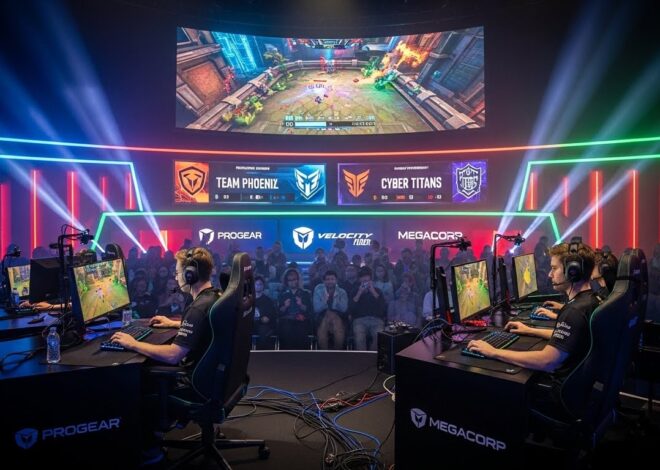
At its core, esports is competitive gaming. It involves professional players and teams competing against one another in organized tournaments and leagues, typically for large prize pools. The games played in esports tournaments can vary from strategy-based games like League of Legends and Dota 2 to first-person shooters such as Counter-Strike: Global Offensive (CS:GO) and Call of Duty. The competitive nature of these games has led to the creation of a professional scene where players, coaches, analysts, and broadcasters all contribute to the spectacle of esports.
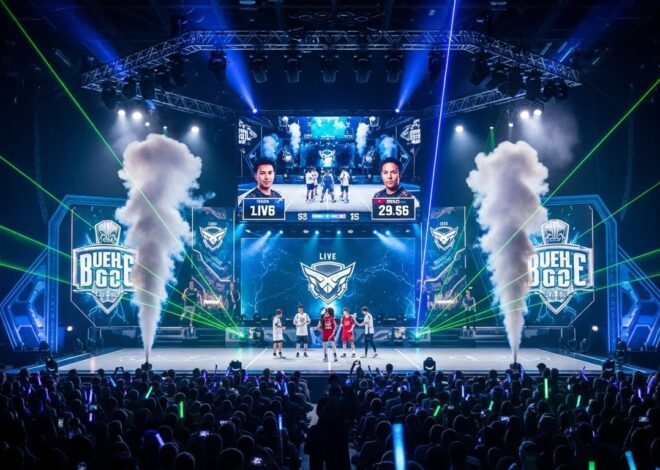
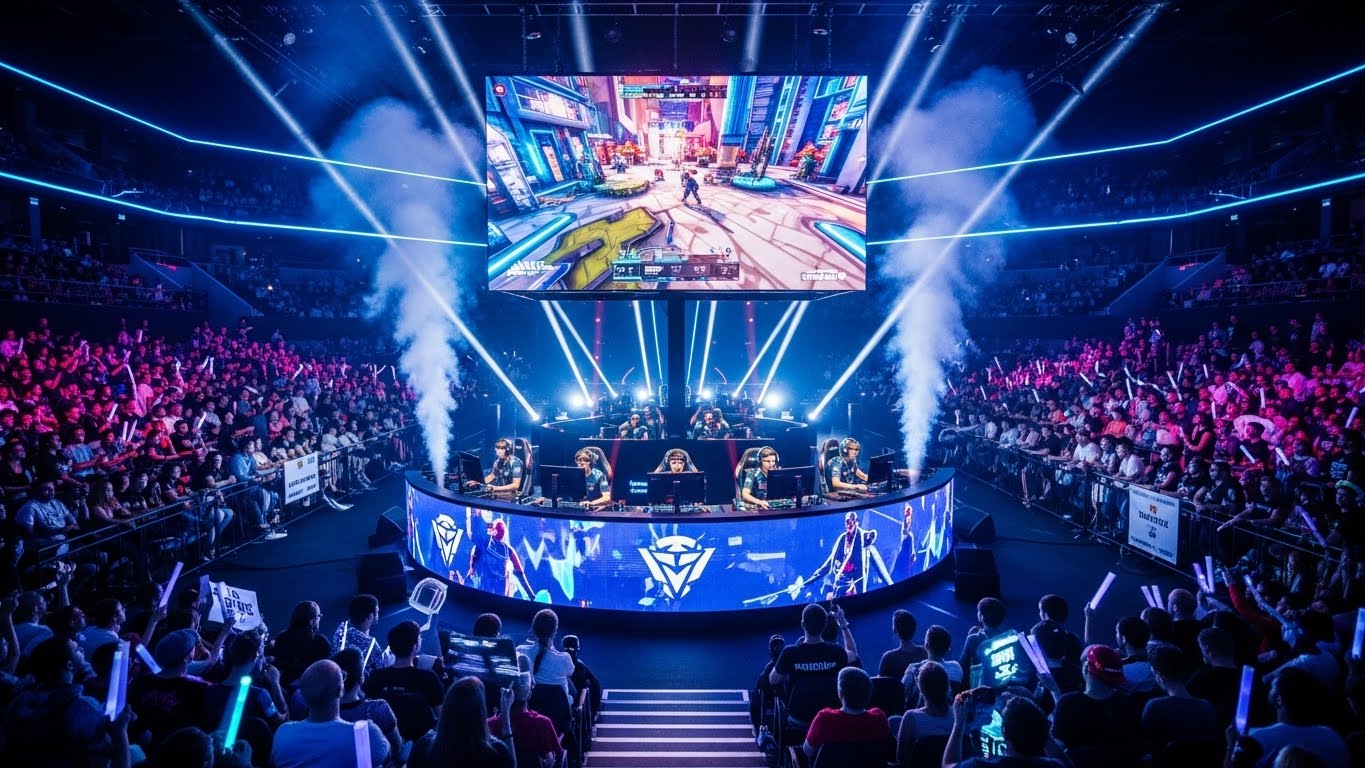
While esports has existed in various forms for decades, it is in the last ten years that it has truly exploded in popularity. Major esports tournaments now fill arenas, with fans attending live events or watching through streaming platforms such as Twitch and YouTube Gaming. These events are not just about the competition; they are cultural experiences that bring together fans from all over the world to celebrate their shared love for gaming.
The Evolution of Esports
The history of esports dates back to the early days of video gaming when players gathered for local tournaments in arcades. Games like Street Fighter II and Super Mario Bros. were popular among competitive players, but it wasn’t until the late 1990s and early 2000s that esports began to take shape as we know it today.
In the early 2000s, games like Warcraft III and StarCraft gained traction in competitive gaming, particularly in South Korea, which became the epicenter of esports culture. The launch of online gaming platforms such as Battle.net allowed players to compete against each other across the globe, leading to the formation of regional and international tournaments. During this time, players like Lee “Life” Seung Hyun and other StarCraft professionals rose to fame, attracting millions of fans and laying the foundation for the growth of esports.
The arrival of League of Legends in 2009 was a game-changer for the industry. The free-to-play model and its accessibility to a wide range of players allowed LoL to become one of the most popular esports titles in the world. Its rise paved the way for other games, including Dota 2, Overwatch, and Fortnite, to make their mark in the esports scene.
As the popularity of esports grew, so did the infrastructure around it. Professional organizations were established, tournaments grew in size and scope, and streaming platforms like Twitch brought esports to millions of viewers worldwide. Esports became a legitimate career path for talented gamers, with sponsorships, advertising, and even college scholarships now available to players.
The Growth of Esports: From Hobby to Mainstream
One of the key factors behind esports’ meteoric rise is the increasing accessibility of high-speed internet and gaming technology. As internet speeds improved globally, players could connect with others from anywhere in the world, making it easier for competitive scenes to flourish. Meanwhile, advances in gaming technology, such as the development of high-performance PCs and consoles, enabled players to compete at higher levels.
Another major factor in esports’ growth has been the emergence of streaming platforms. Platforms like Twitch and YouTube Gaming have allowed players to broadcast their gameplay to millions of viewers in real-time. In 2021, Twitch alone boasted over 30 million daily active users, a testament to the platform’s dominance in the gaming space. These platforms not only provide a way for players to showcase their skills but also allow viewers to interact with their favorite players and teams through live chats, donations, and subscriptions.
Esports’ reach has expanded beyond just gaming enthusiasts, attracting major corporations and investors. Traditional sports organizations, including the NBA and NFL, have invested in esports teams and events, recognizing the commercial potential and broad appeal of the industry. In addition, sponsorships from multinational companies like Coca-Cola, Intel, and Red Bull have played a significant role in the growth of esports, bringing it into the mainstream.
The Structure of Esports
Esports is far more than just casual competition. It has evolved into a highly structured ecosystem with its own set of rules, regulations, and organizational bodies. These include professional teams, tournament organizers, streaming platforms, and even educational institutions that offer esports-related programs.
Professional Teams and Players
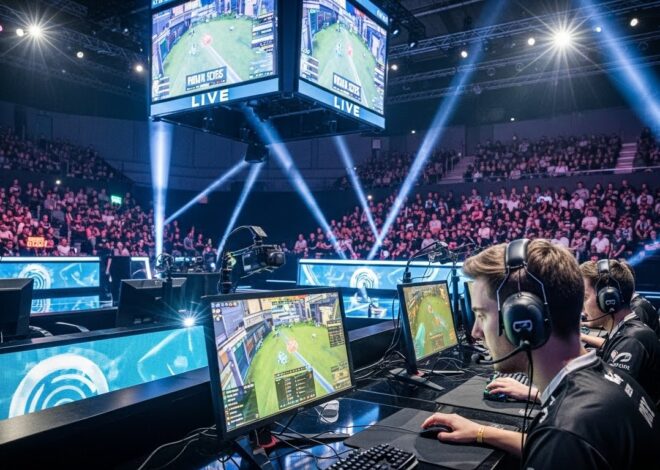
At the highest level, esports consists of professional players who compete for lucrative contracts and sponsorship deals. These players are part of organizations that manage their careers, provide training facilities, and organize travel for international tournaments. Teams like Team Liquid, T1, and FaZe Clan have become household names in the esports community, and their players are recognized as elite athletes within the gaming world.
Being a professional esports player requires a high level of skill, strategy, and dedication. Players spend hours each day practicing, analyzing game footage, and collaborating with their teammates to develop strategies. Unlike traditional sports, where players often peak in their late twenties or early thirties, esports athletes tend to have shorter careers due to the intense mental and physical demands of the game. As a result, many players transition into coaching, broadcasting, or management roles once their playing careers come to an end.
Tournaments and Leagues
Esports tournaments are the heart of the competitive scene, with some events offering prize pools that rival traditional sports competitions. The League of Legends World Championship, for example, has a prize pool of over $2 million, and the The International, the largest Dota 2 tournament, has surpassed $40 million in prize money. These events are often held in large arenas or stadiums, attracting thousands of live spectators while millions more watch online.
Major esports titles, including League of Legends, Counter-Strike: Global Offensive, and Valorant, have established professional leagues where teams compete in regular seasons leading up to a final championship event. These leagues offer structure and consistency, allowing fans to follow their favorite teams and players throughout the year.
Esports and Its Impact on Gaming Culture
Esports has become a driving force in shaping gaming culture. For many players, the competitive scene provides a sense of community and belonging. Esports has created spaces for people to connect, share experiences, and support their favorite players and teams. Online streaming platforms and social media have allowed fans to engage with the scene in new ways, from watching live matches to participating in fan discussions on platforms like Reddit and Twitter.
Additionally, esports has contributed to the growing acceptance of gaming as a legitimate form of entertainment. Video games are no longer seen as a pastime for children or a hobby for the socially isolated. They are now recognized as a mainstream form of entertainment, with esports at the forefront of this cultural shift. This change in perception has opened the door for gaming to be included in educational institutions, with esports programs and scholarships now offered by many universities.
Challenges Facing Esports
Despite its rapid growth, the esports industry faces several challenges. One of the most significant issues is the sustainability of the professional scene. While some tournaments offer impressive prize pools, many players and teams still struggle to make a living solely from esports. Sponsorship and media rights have been key drivers of revenue, but as the industry matures, there will need to be new and innovative ways to ensure long-term financial stability for players and organizations.
Another challenge is the mental and physical toll that esports can take on players. The intense training schedules and long hours spent in front of screens can lead to burnout, injuries like carpal tunnel syndrome, and mental health issues such as anxiety and depression. While some organizations have begun to address these concerns by providing mental health support and physical therapy for players, more needs to be done to prioritize player well-being.
The Future of Esports
Looking ahead, the future of esports appears bright. The industry is expected to continue its rapid growth, with more sponsorships, larger tournaments, and greater global exposure. Emerging technologies, including virtual reality (VR) and augmented reality (AR), could revolutionize the way we experience esports, making it more immersive and interactive than ever before.
Esports could also continue to blend with traditional sports, with more professional sports teams investing in esports franchises and even creating crossovers between sports and gaming. With the rise of games like FIFA and NBA 2K, we may see the boundaries between traditional sports and esports become increasingly blurred.
Moreover, as esports continues to grow in popularity, we may see its inclusion in major global sporting events. The International Olympic Committee (IOC) has already discussed the potential for esports to be part of the Olympic Games, which would elevate the profile of esports to an entirely new level.
Conclusion
Esports is more than just a passing trend—it is a dynamic and evolving industry that has redefined the world of competitive gaming. With its roots firmly planted in the digital age, esports continues to grow, bringing together gamers, fans, and investors from all over the world. As the industry continues to develop, it holds the potential to become as mainstream as traditional sports, offering opportunities for players, creators, and organizations alike. Whether you’re a casual gamer or a dedicated fan, there’s no denying that esports has become an integral part of the global entertainment landscape.