Rising Beyond the Screen: How Esports Became a Global Phenomenon
Introduction
Esports, once seen as a niche hobby enjoyed by small online communities, has transformed into one of the fastest-growing competitive industries in the world. Today, professional gaming is not just a pastime—it is a career path, a global entertainment force, and a cultural movement that connects millions of people. From packed arenas filled with cheering fans to multimillion-dollar tournaments broadcast worldwide, esports has become a spectacle rivaling traditional sports. This blog explores the evolution, impact, challenges, and future of this remarkable digital revolution.
The Evolution of Esports
The earliest forms of competitive gaming began in the late twentieth century when hobbyists gathered around arcade machines and home consoles. What started as simple high-score contests eventually grew into organized competitions. By the early 2000s, the rise of broadband internet accelerated online multiplayer gaming, allowing players from different continents to face off in real time.
With iconic titles such as strategy games, shooters, and battle arenas, competitive gaming started to mature. Streaming platforms introduced new ways for players to showcase their skills, bringing massive exposure to the scene. What was once a quiet subculture expanded into a full-blown entertainment industry as millions began to tune in.
The Power of Community
One of the strongest pillars of esports is its community. Unlike many traditional entertainment forms where audiences remain passive, esports fans are deeply engaged. They follow teams, analyze strategies, participate in discussions, and often play the games themselves. This shared passion creates a feeling of belonging that strengthens the ecosystem.
Online platforms allow fans to interact directly with their favorite players. Teams build fan bases that rival those of traditional sports clubs. Community-driven events, fan art, coaching streams, and in-game celebrations all contribute to a vibrant social environment surrounding the competitions.
From Casual Play to Professional Career
What truly distinguishes esports today is its transformation into a legitimate career path. Skilled players can join professional teams, receive salaries, secure sponsorships, and participate in tournaments with significant prize pools. Training regimens mirror those of traditional athletes. Professional players practice for hours each day, refine their mental focus, and work closely with analysts, coaches, and managers.
Behind every successful esports team is a structure composed of strategists, content creators, technical experts, and marketing professionals. The industry has created a wide range of job opportunities beyond playing the games, making it a sustainable professional environment.
The Rise of Global Competitions
One of the most exciting aspects of esports is the global scale of its tournaments. International competitions bring together the best players from various regions to compete for glory. These events often draw massive audiences, both in-person and through broadcasts.
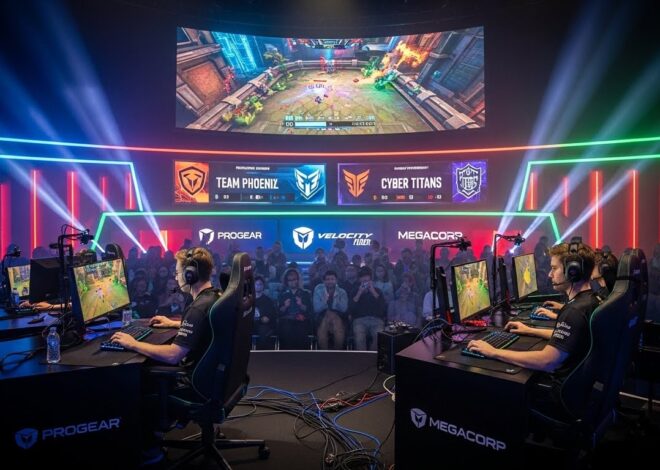
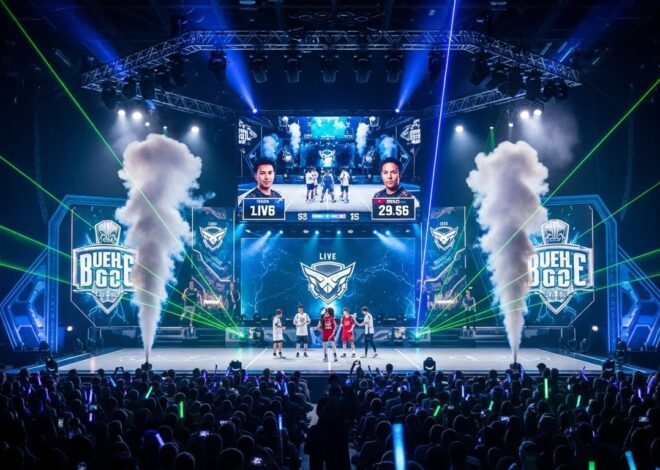
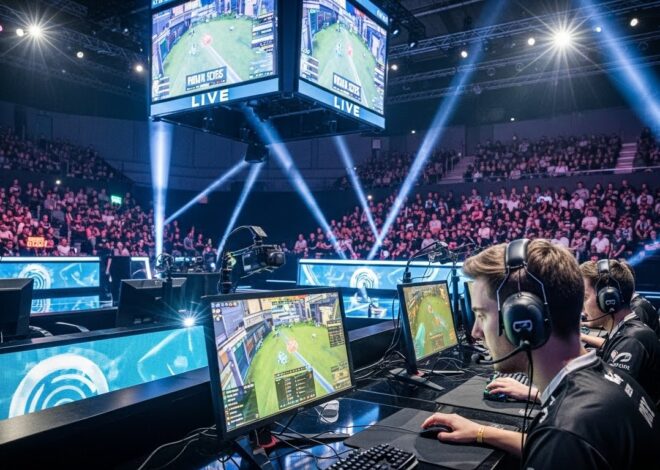
Packed arenas illuminate with giant screens, energetic commentary, and roaring fans. The atmosphere during finals is electric. The audience watches every move on screen with intensity, knowing that a single decision could change the outcome of the match.
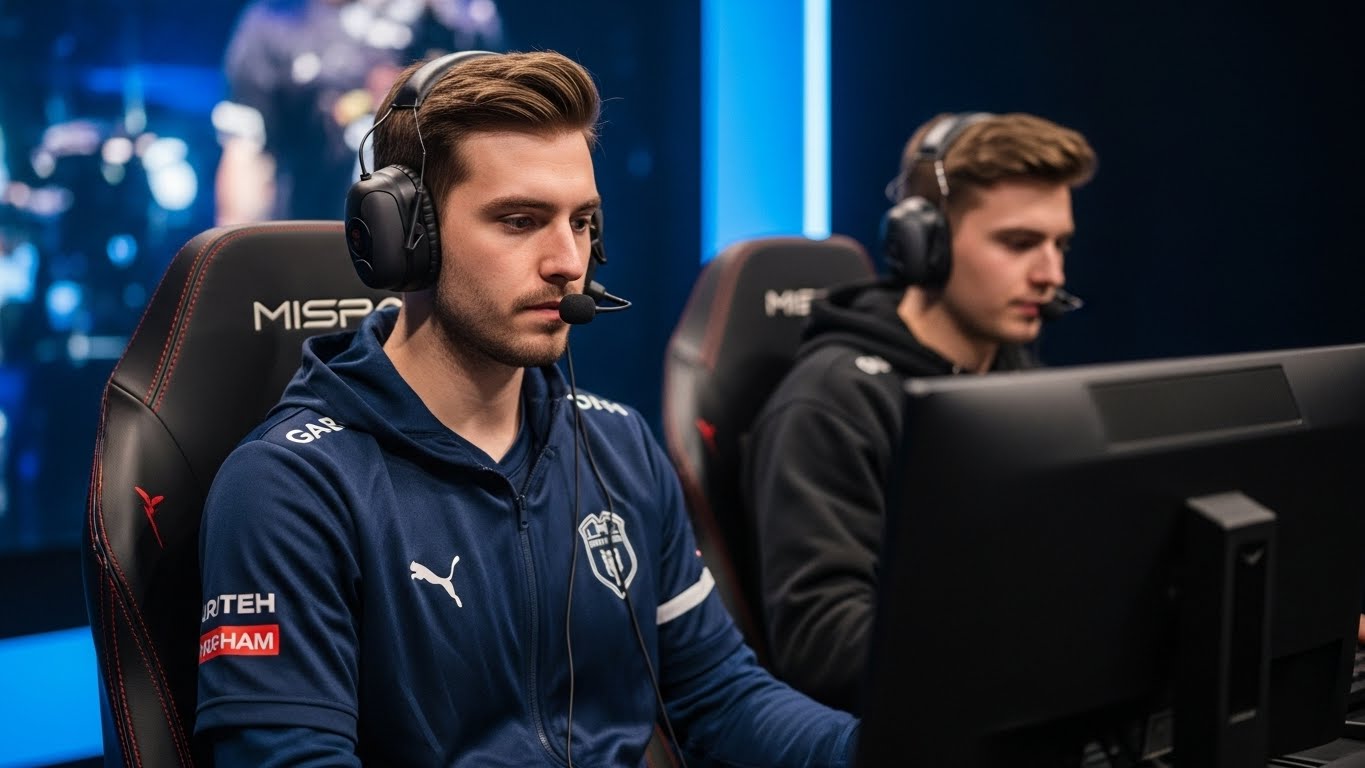
The players who stand on stage represent years of discipline, dedication, and teamwork. The global stage gives them recognition, turning top performers into international celebrities within the gaming community.
The Impact on Technology and Entertainment
Esports has significantly influenced advancements in technology, streaming, and digital entertainment. High-performance gaming equipment has become more sought after as players demand speed, precision, and comfort. Developers now design games with competitive balance in mind, ensuring fairness and strategic depth.
Streaming platforms have become essential tools, connecting creators with viewers instantly. This shift has reshaped entertainment consumption. Instead of watching through traditional broadcast channels, many viewers now enjoy live, interactive content from gaming personalities, tournament hosts, and analysts.
Esports has also inspired collaborations with musicians, fashion brands, and film studios. The entertainment industry now frequently incorporates gaming themes into mainstream media, reflecting the cultural significance of esports.
Education and Training in Esports
As the industry has grown, academic institutions have begun to recognize the value of esports. Schools and universities now offer programs, scholarships, and training facilities for aspiring players. Courses in game design, marketing, broadcasting, and team management help students prepare for careers in the field.
Coaches guide players in strategy, communication, and psychological resilience. Physical conditioning has also become part of the training to help players maintain long-term health, allowing them to perform at a professional level throughout their careers. This integration of esports into education highlights the increasing legitimacy and recognition of the industry.
Mental Resilience and Team Dynamics
Success in esports requires more than quick reflexes. Players must exhibit strong mental resilience. Strategic decision-making under pressure is vital. Teams must communicate seamlessly, trust one another’s judgment, and maintain emotional stability during high-stakes matches.
Team dynamics play a crucial role. Professional players often live and train together, sharpening both their individual abilities and collective synergy. Coaches work on problem-solving, conflict resolution, and emotional support to ensure the team remains focused and united.
Challenges in the Esports Industry
Despite its rapid rise, esports faces several challenges. The demanding training schedule can be overwhelming, leading to burnout. Maintaining physical health, especially given long hours sitting in front of screens, is a constant concern. Players must balance physical exercise with practice.
Another challenge is career longevity. Unlike many traditional sports, professional gaming careers can be shorter. Many players transition to coaching, analysis, or content creation once they retire from competitive play.
Additionally, the industry must address issues such as fair play, age restrictions, and maintaining a healthy environment free of toxic behavior. As esports continues to grow, governing bodies and organizations are working to create stronger regulations and more supportive structures for players and fans alike.
The Economic Influence of Esports
Esports is not just an entertainment spectacle—it is a booming economic force. Revenue comes from sponsorships, advertising, merchandise, event tickets, digital items, media rights, and more. Major companies partner with teams and tournaments, recognizing the immense engagement the community provides.
Cities around the world compete to host major events, knowing they attract tourism and boost the local economy. New arenas and esports hubs are being built specifically to support large-scale competitions and training centers. The economic ripple effect showcases how deeply esports has embedded itself into global commerce.
Cultural Impact Across Generations
Esports has bridged generational gaps. Young audiences find role models in professional players, while older generations embrace gaming as a form of connection. Many families bond through playing games together or watching tournaments.
Pop culture is filled with references to gaming, and esports athletes are appreciated not only for their skills but also for their creativity, personality, and storytelling abilities. Esports challenges outdated stereotypes about gamers, showing the world that gaming fosters critical thinking, teamwork, and strategic problem-solving.
The Future of Esports
The future of esports is bright and expansive. With advancements in technology, virtual reality, and augmented reality, new forms of competition may emerge. More countries are building national teams, and international organizations are exploring the inclusion of esports in global multi-sport events.
As the industry matures, it will continue to develop better infrastructure, healthier training systems, and greater opportunities for individuals across the globe. The line between virtual and physical sports may blur even further as esports continues to integrate with traditional athletic frameworks.
Conclusion
Esports has traveled a remarkable journey from small gatherings in living rooms and arcades to massive global tournaments filling stadiums. It has created careers, communities, and cultural shifts. With its blend of digital innovation, human ambition, and collective passion, esports stands as a modern phenomenon redefining entertainment.
What makes esports truly extraordinary is its accessibility. Anyone with skill, determination, and a connection to the gaming world can dream of stepping onto the world stage. The rapidly evolving landscape continues to inspire millions, proving that competition, creativity, and teamwork can flourish in any arena—even one made of pixels and imagination.