The Rise of Esports: Redefining Competition in the Digital Age
In recent years, esports has emerged as one of the fastest-growing phenomena in the entertainment and sports world. Competitive video gaming has transformed from a niche hobby into a global industry attracting millions of players, viewers, and sponsors. Esports is no longer just about playing games for fun; it has become a professional pursuit, a cultural movement, and a platform for innovation. This article explores the evolution of esports, its impact on players and society, the economics behind it, and what the future holds.
Understanding Esports: More Than Just Gaming
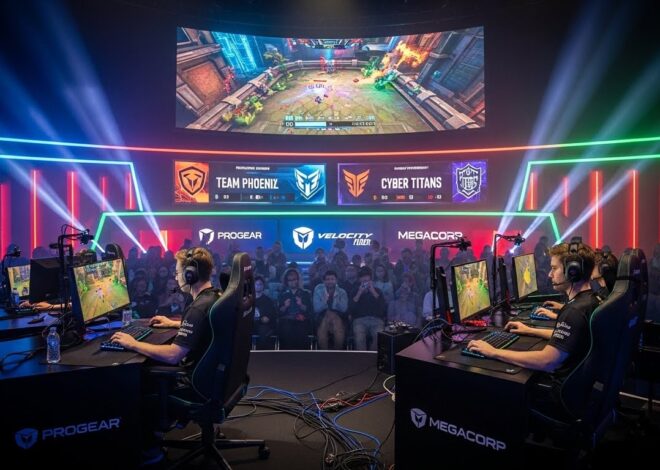
Esports, short for electronic sports, refers to organized, competitive video gaming where individuals or teams compete in a structured environment. Popular games include multiplayer online battle arenas, first-person shooters, real-time strategy games, and sports simulation games. What sets esports apart from casual gaming is the level of skill, strategy, and professionalism involved. Players train for hours, analyze gameplay data, and follow strict routines to enhance performance.
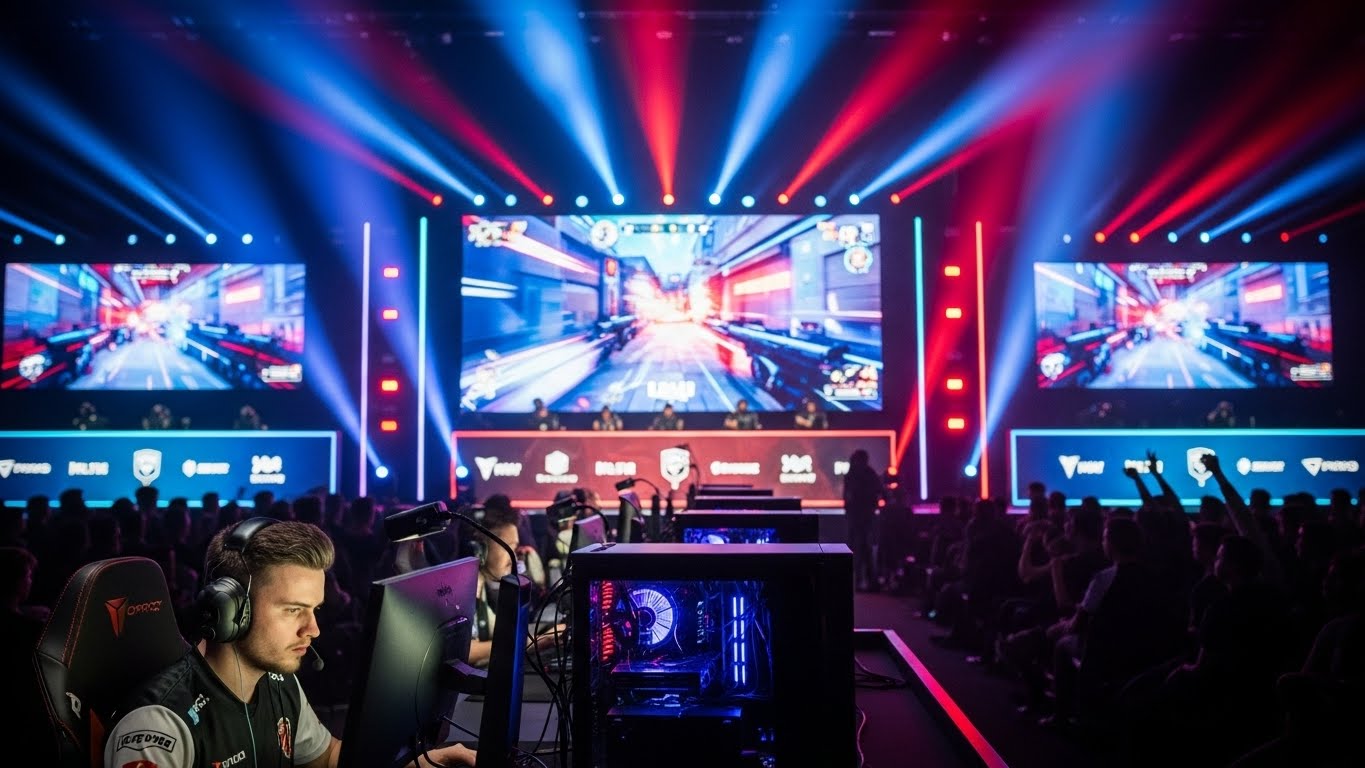
Unlike traditional sports, esports is primarily digital. Players compete online or in arenas equipped with advanced technology to host large-scale tournaments. This digital nature allows for a global reach, connecting players and audiences from different continents instantly. It is a new kind of sport that combines technology, entertainment, and human skill.
The History and Evolution of Esports
The roots of esports can be traced back to the late 1970s and 1980s, when arcade competitions and early video games became popular. Titles like Space Invaders and Pac-Man sparked the first wave of competitive gaming. In the 1990s, games such as StarCraft and Quake laid the foundation for organized esports communities. However, it was in the 2000s and 2010s that esports truly exploded, driven by internet accessibility, streaming platforms, and professional leagues.
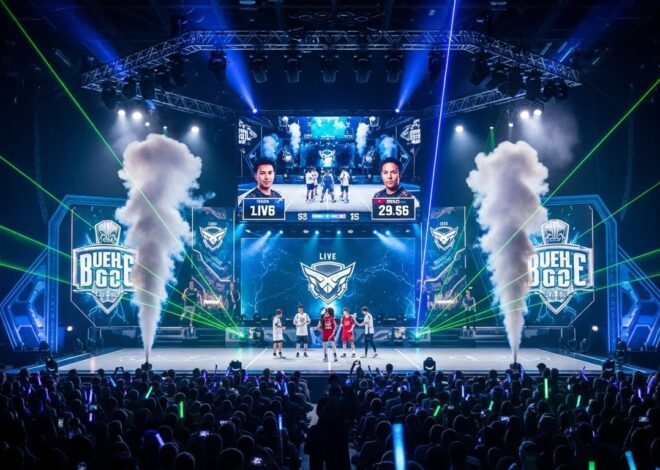
The launch of platforms like Twitch and YouTube Gaming revolutionized the way audiences consume esports content. Fans could now watch tournaments live, follow their favorite players, and engage with communities worldwide. Major tournaments like The International, League of Legends World Championship, and Fortnite World Cup showcased esports on a scale previously reserved for traditional sports. Today, esports is a billion-dollar industry with professional teams, sponsorship deals, and millions of viewers worldwide.
Esports as a Career
One of the most striking aspects of esports is the emergence of professional gaming as a legitimate career. Top esports athletes earn substantial incomes through tournament winnings, sponsorships, streaming, and merchandise. The career path in esports extends beyond players; it includes coaches, analysts, commentators, event organizers, and content creators.
Professional esports athletes dedicate themselves to training regimes similar to traditional sports. They focus on reflex improvement, strategic thinking, teamwork, and mental resilience. Unlike traditional sports, the digital nature of esports allows players to compete internationally without geographical constraints. While the path to becoming a professional gamer is competitive and demanding, it offers opportunities for recognition, financial stability, and global influence.
The Role of Technology in Esports
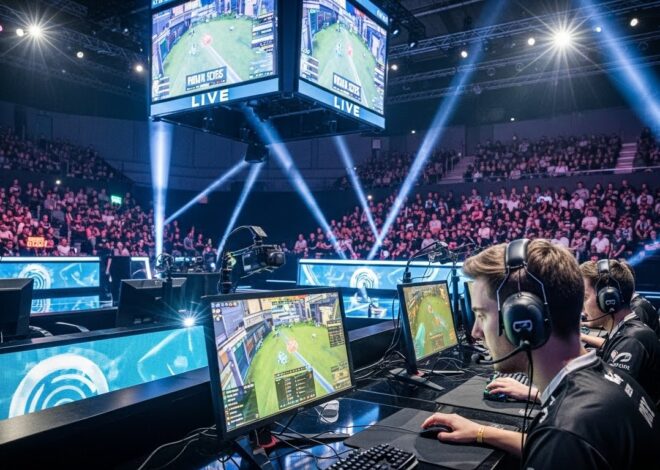
Technology is at the heart of esports. High-performance gaming equipment, fast internet connections, and advanced software are essential for competitive play. Gaming peripherals such as precision mice, mechanical keyboards, high-refresh-rate monitors, and gaming headsets provide players with the tools to perform at their best.
Streaming technology has also been crucial in expanding the reach of esports. Fans can watch live events, interact through chat, and follow players’ progress in real time. Additionally, analytics software allows teams to review gameplay, optimize strategies, and improve performance. Virtual reality and augmented reality are emerging technologies that may further revolutionize the esports experience in the near future.
The Social Impact of Esports
Esports has had a profound social impact by fostering global communities and creating inclusive spaces. Unlike traditional sports that may require physical abilities, esports is accessible to a wider audience. People of all ages, genders, and backgrounds can participate and connect over shared interests.
Moreover, esports has challenged traditional stereotypes about gamers. Professional players demonstrate discipline, strategic thinking, and teamwork. Esports communities often promote collaboration, mentorship, and peer learning. While there are concerns about excessive screen time or addiction, responsible engagement can make esports a positive social and educational tool, encouraging problem-solving and communication skills.
Economic Significance of Esports
The economic impact of esports is staggering. The industry generates revenue from multiple streams, including sponsorships, merchandise, ticket sales, broadcasting rights, and advertising. Major brands across technology, apparel, and energy drinks have invested heavily in esports sponsorships, recognizing the potential to reach younger, digitally-native audiences.
Esports also drives tourism and local economies. Cities that host tournaments see an influx of visitors, creating business opportunities for hotels, restaurants, and transportation services. The growth of esports has spurred job creation in areas such as event management, game development, marketing, and content creation. The industry’s economic influence demonstrates that esports is not just a hobby but a powerful driver of global business.
Esports and Education
Education and esports are increasingly intersecting in innovative ways. Schools and universities are establishing esports programs and scholarships to encourage student participation. These programs teach valuable skills such as strategic thinking, teamwork, communication, and leadership.
Collegiate esports teams provide students with opportunities to compete at high levels while pursuing academic goals. Some institutions have integrated esports into curriculum offerings related to game design, technology, and media production. By combining education with competitive gaming, esports can nurture talent, foster career opportunities, and promote holistic student development.
Challenges Facing Esports
Despite its rapid growth, esports faces several challenges. The pressure on professional players is immense, leading to mental health concerns such as anxiety, stress, and burnout. Unlike traditional sports, esports players often deal with long hours of screen time and physical strain on hands and wrists, raising concerns about health and well-being.
Another challenge is maintaining integrity and fair competition. Issues such as cheating, hacking, and unethical practices can undermine trust in esports tournaments. Gender representation remains uneven, with women and minority players often facing barriers to entry and recognition. Addressing these challenges is crucial to ensure sustainable growth and inclusivity in the esports industry.
The Cultural Influence of Esports
Esports is shaping modern culture by influencing entertainment, fashion, and social trends. Popular games inspire music, movies, and merchandise, creating a multimedia ecosystem around gaming. Esports personalities become celebrities, influencing youth culture and even social behavior.
The integration of esports into mainstream media has also normalized gaming as a legitimate pursuit. It has become a platform for cultural exchange, connecting players across continents and promoting global understanding. Esports is not merely a pastime; it is a cultural force that reflects innovation, creativity, and community engagement in the digital era.
The Future of Esports
The future of esports looks bright and dynamic. Emerging technologies such as virtual reality, cloud gaming, and artificial intelligence are expected to enhance gameplay, accessibility, and spectator experiences. New game genres and hybrid formats will expand the competitive landscape.
Esports may also see greater integration with traditional sports, with collaborative events and crossover tournaments. Educational institutions will likely continue to expand programs and scholarships, nurturing the next generation of players, coaches, and industry professionals. Additionally, efforts to promote mental health, gender equality, and fair play will shape the ethical and social standards of the industry.
As esports continues to evolve, it has the potential to redefine what competition, community, and entertainment mean in the 21st century. Its global reach, digital nature, and cultural impact make it a unique and influential phenomenon.
Conclusion: Esports as a New Era of Competition
Esports has transformed the way we perceive competition and entertainment. It combines technology, skill, strategy, and community, creating a digital arena where talent thrives and global connections are forged. Beyond the thrill of gameplay, esports shapes careers, cultures, and economies, making it a powerful force in modern society.
Whether viewed as a professional pursuit, a social platform, or a cultural movement, esports reflects human innovation and adaptability. It demonstrates that competition is not confined to traditional arenas or physical boundaries but can flourish in the digital space. As the industry grows, esports promises to continue inspiring millions, redefining entertainment, and creating opportunities for individuals worldwide.
Esports is more than just gaming—it is a revolution in how we play, watch, and connect. It is a testament to human creativity, perseverance, and the boundless possibilities of the digital age.