The Esports Revolution: How Competitive Gaming Became a Global Phenomenon”
Introduction: The Esports Explosion – A New Era of Competitive Gaming
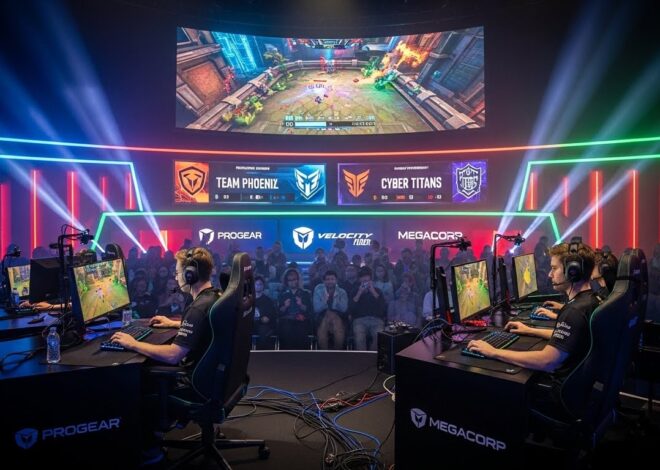
Over the past decade, esports has transitioned from a niche hobby to a global industry worth billions of dollars. Competitive gaming has become a legitimate form of entertainment, with massive live audiences, high-stakes tournaments, and professional leagues. Esports is no longer just about playing video games; it has evolved into a worldwide phenomenon that combines athleticism, strategy, entertainment, and business. Millions of fans tune in to watch their favorite players and teams battle it out for supremacy, while sponsorships, media rights, and merchandise sales contribute to the ever-growing revenue stream.
As esports grows in popularity, it is increasingly seen as a legitimate sport in its own right. While traditional sports such as football, basketball, and soccer have long dominated global entertainment, esports is challenging the status quo, attracting players, fans, and investors from all corners of the globe. In this blog post, we will delve into the rise of esports, its cultural significance, the mechanics behind the games, and what the future holds for competitive gaming.
The Origins of Esports: From Arcades to Online Competitions
To understand how esports became the global giant it is today, it’s essential to look back at its origins. Competitive gaming has roots that stretch as far back as the 1970s and 1980s, when video game arcades were the primary hub for social gaming. The first official esports competition is often credited to the Space Invaders Championship in 1980, which was held in the United States and attracted over 10,000 participants. Though the prize money was small and the event relatively modest, it marked the beginning of competitive gaming’s journey.
In the 1990s, the development of multiplayer online games revolutionized the concept of competition. Quake and StarCraft emerged as some of the most popular titles, offering gamers the chance to battle against each other from the comfort of their homes. This shift to online multiplayer gaming paved the way for early esports tournaments and leagues. The first major international esports event, the Cyberathlete Professional League (CPL), was established in 1997, creating a platform for competitive players to showcase their skills on a larger scale.
Throughout the late 1990s and early 2000s, the esports community was largely driven by grassroots events, internet cafes, and online forums. However, this laid the groundwork for the professionalization of esports that would soon follow. By the mid-2000s, games like Warcraft III, Counter-Strike, and StarCraft: Brood War began to dominate the competitive scene, and the first esports-specific organizations and leagues began to emerge. These events set the stage for esports to become a mainstream industry, complete with sponsorships, streaming platforms, and global reach.
The Rise of Streaming and the Mainstreaming of Esports
The major turning point in the growth of esports came in 2011 with the launch of Twitch, a live-streaming platform dedicated to video game content. Twitch allowed gamers to broadcast their gameplay to a global audience in real-time, opening up new avenues for engagement and fan interaction. This was a game-changer for esports. As viewers could now watch professional matches, tournaments, and even casual streams from their favorite players, the appeal of esports grew exponentially.
Twitch’s success proved that there was a large audience for esports, with millions of fans tuning in to watch live competitions. The platform allowed professional players to build personal brands and engage with their fans, creating a unique relationship between the gaming community and its audience. The rise of esports streaming created a new type of celebrity—players who became influencers in their own right, attracting sponsorships, endorsements, and large followings on social media.
As streaming platforms like YouTube Gaming and Facebook Gaming entered the scene, the esports ecosystem grew even more. Live tournaments, which had once been confined to in-person events, were now broadcast globally to millions of viewers. Major tournaments like The International for Dota 2 and League of Legends World Championship began to attract more viewers than traditional sports finals. These events were not only watched online but also sold out in arenas around the world, highlighting esports’ potential to bring in huge crowds.
The ability to watch high-level competitive gaming has democratized the experience of professional sports. Fans can now tune in from anywhere in the world, often for free, to witness incredible moments of skill and strategy. The accessibility of esports content has made it a major part of the entertainment industry, with esports events routinely drawing larger live audiences than traditional sporting events like the Super Bowl or the NBA Finals.
The Esports Ecosystem: Teams, Tournaments, and Players
As esports grew in popularity, it became an organized industry with a well-defined structure. Professional teams, tournaments, sponsorships, and media rights have transformed esports into a legitimate, multimillion-dollar enterprise. Today, esports teams are structured in much the same way as traditional sports teams, with players, coaches, analysts, and managers working together to achieve success.
Professional players are signed to esports organizations and compete in a variety of titles across genres like first-person shooters, multiplayer online battle arenas (MOBAs), real-time strategy games, and battle royale titles. League of Legends, Counter-Strike: Global Offensive, Dota 2, Overwatch, and Fortnite are among the most popular competitive games, with their respective leagues and tournaments offering millions in prize money.
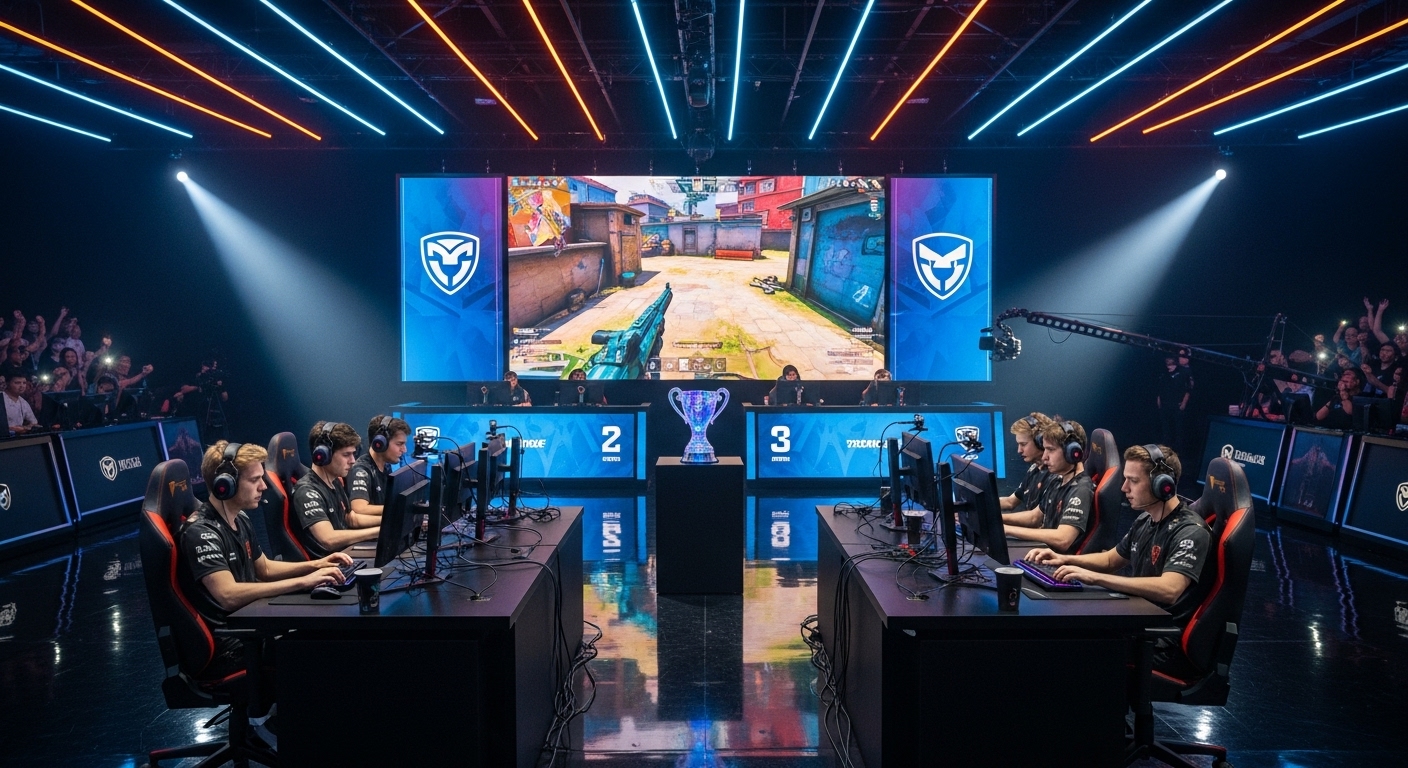
The format of competitive esports events is similar to traditional sports leagues. Many esports games have their own professional leagues that follow a regular season, playoffs, and championship structure. For example, the League of Legends Championship Series (LCS) is one of the most prominent professional leagues, featuring teams from North America competing in a season-long tournament. The Overwatch League operates similarly, with teams representing cities across the world.
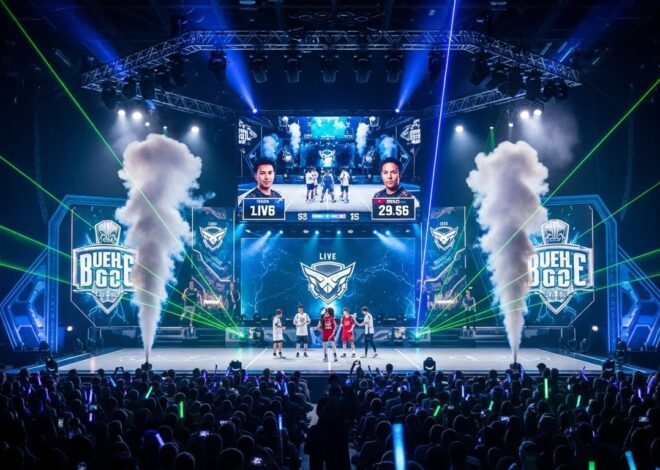
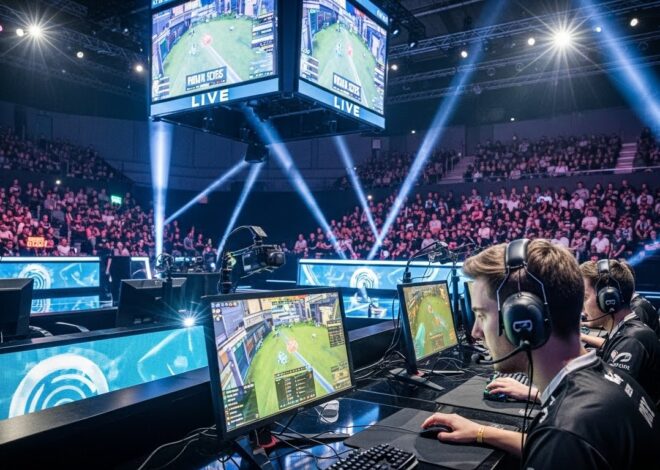
Esports tournaments are often massive spectacles that take place in large arenas or stadiums, with millions of viewers watching either in person or online. Major events like The International for Dota 2, The Fortnite World Cup, and IEM Katowice have prize pools that can exceed $30 million, drawing top-tier players from around the world. Sponsorships from companies like Intel, Coca-Cola, Red Bull, and Mercedes-Benz are a testament to the financial power and influence of esports.
The professionalization of esports has also created new career opportunities. Aside from players, coaches, analysts, casters, and content creators now play critical roles in the esports ecosystem. Players’ salaries, sponsorships, and merchandise sales provide them with financial opportunities that were once unimaginable for professional gamers. Many esports organizations now also have dedicated marketing teams, public relations professionals, and event coordinators to manage their growing brands.
Esports as a Cultural Movement: The Fan Experience
Esports is more than just a series of competitions; it is a cultural movement. The esports community is one of the most engaged and passionate fanbases in the world, with fans investing time, money, and energy into supporting their favorite players, teams, and games. This deep level of engagement is one of the driving forces behind esports’ rapid growth.
The relationship between esports athletes and their fans is more personal than in traditional sports. With platforms like Twitch, YouTube, and Twitter, fans can interact with players on a daily basis, watch them practice, and even engage in live Q&A sessions. Many esports athletes share personal moments, behind-the-scenes footage, and gameplay tips with their fans, creating a sense of intimacy and community.
Fans also support esports by attending events, purchasing merchandise, and watching streams. The fan experience in esports is highly interactive, with many tournaments incorporating fan voting, live chats, and real-time reactions. In addition, esports fans are often content creators themselves, sharing their own gameplay experiences, analysis, and commentary through social media and streaming platforms.
The global reach of esports has also allowed fans from diverse backgrounds to connect over a shared love of gaming. Esports is unique in that it transcends geographic boundaries, creating a universal culture that celebrates skill, competition, and entertainment. Whether it’s watching a League of Legends final in South Korea, cheering for Team Liquid in North America, or tuning into the PUBG Global Championship in Europe, esports unites people from all corners of the world.
The Future of Esports: Growth, Innovation, and Mainstream Recognition
As esports continues to evolve, the future looks incredibly bright. The industry is expected to grow significantly in the coming years, with more games, leagues, and players entering the fray. Traditional sports franchises are beginning to invest in esports, and global brands are increasingly recognizing the value of esports as an advertising and sponsorship vehicle.
Esports is also beginning to gain acceptance in more traditional spaces. Universities are offering scholarships for esports players, and esports programs are being integrated into high school curriculums. Esports has even been included in multi-sport events like the Asian Games, further solidifying its legitimacy as a sport.
In terms of technology, the future of esports is intertwined with advancements in virtual reality (VR), augmented reality (AR), and artificial intelligence (AI). These innovations could redefine how games are played, watched, and experienced. VR could take esports competitions to the next level, allowing players to compete in fully immersive environments. AI-powered analytics could revolutionize how teams approach strategy and gameplay, providing them with data-driven insights into their performance.
The business side of esports is also ripe for expansion. Esports organizations are diversifying their revenue streams through sponsorships, media rights, merchandise sales, and fan engagement initiatives. Additionally, platforms like YouTube and Twitch are constantly innovating to create new ways for fans to engage with esports content.