The Digital Colosseum: How Esports Became the New Global Sporting Powerhouse
The Digital Colosseum: How Esports Became the New Global Sporting Powerhouse
Esports has emerged as one of the most influential forces in global entertainment, turning video games into a highly competitive, culturally impactful, and financially powerful industry. What was once considered a simple pastime has grown into a worldwide digital phenomenon, uniting millions of players and fans across borders. Today, esports is not just about winning matches; it is about teamwork, storytelling, innovation, and community. In this blog, we explore the fascinating rise of esports, its players, its industry, and its future as one of the most influential entertainment sectors in the modern world.
The Birth of a Global Gaming Culture
Competitive gaming has humble origins, beginning with arcade competitions in the late twentieth century. Players gathered around machines in arcades, striving to set new high scores and outperform their friends. These early contests created the foundation for what would later become the esports industry.
The introduction of home consoles and personal computers in the 1980s and 1990s accelerated the growth of competitive gaming. Titles like Street Fighter, StarCraft, and Quake built strong communities of players who practiced relentlessly to master strategies and techniques. Local tournaments became popular events, drawing crowds who admired intense battles between skilled players.
As the internet became more widespread, gamers could finally compete with opponents around the world. Global matchmaking systems and online multiplayer games turned small communities into international networks. This laid the groundwork for major esports competitions and established the foundations for a digital movement that would soon explode.
How Gaming Evolved Into a Professional Sport
One of the most fascinating aspects of esports is its transformation from casual gaming to professional competition. This shift occurred gradually as influential games emerged with structured competitive formats. Titles such as League of Legends, Dota 2, Counter-Strike, and Overwatch introduced ranked systems, balanced mechanics, and team strategies that encouraged high-level competition.
With the rise of esports organizations, players began to join professional teams. These teams adopted coaching staff, analysts, nutritionists, and training schedules similar to traditional sports clubs. Professional players now dedicate long hours to practice, strategy development, and physical conditioning. They prepare for tournaments with the same level of dedication seen in football, basketball, or cricket.
The professionalism of esports has also encouraged global sponsors, investment firms, and major brands to contribute heavily to the industry. This financial support strengthened leagues, tournaments, and training programs, transforming esports into a structured and respected professional sport.
The Spectator Experience: Why Millions Tune In
One of the greatest reasons behind esports’ global success is its entertainment value. Modern esports events include dramatic storytelling, skillful plays, strategic depth, and emotional intensity that capture viewers’ attention.
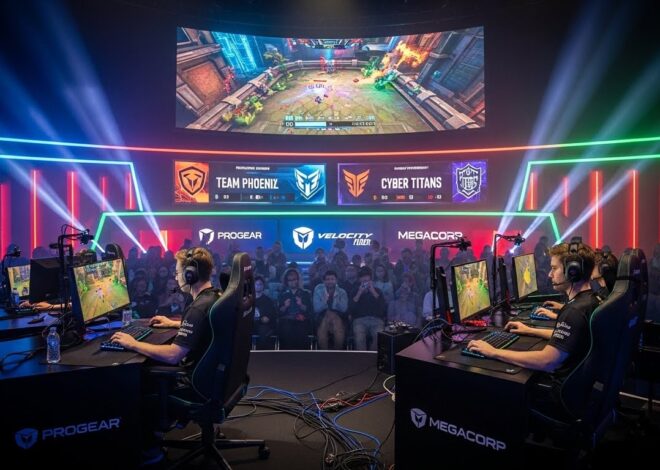
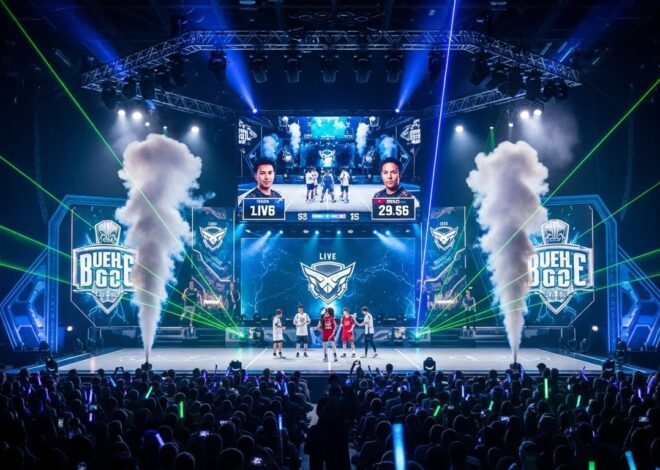
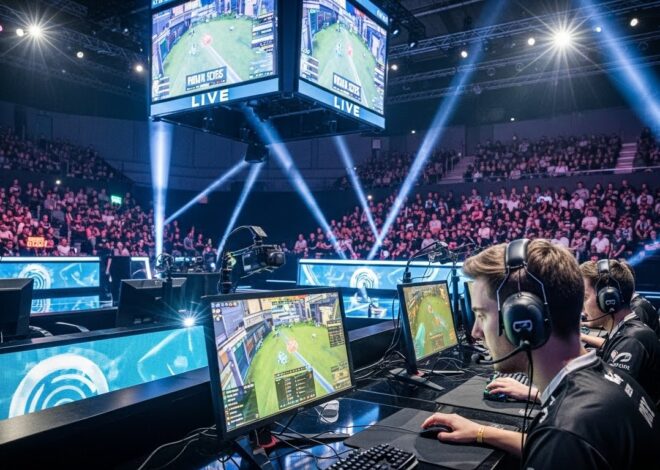
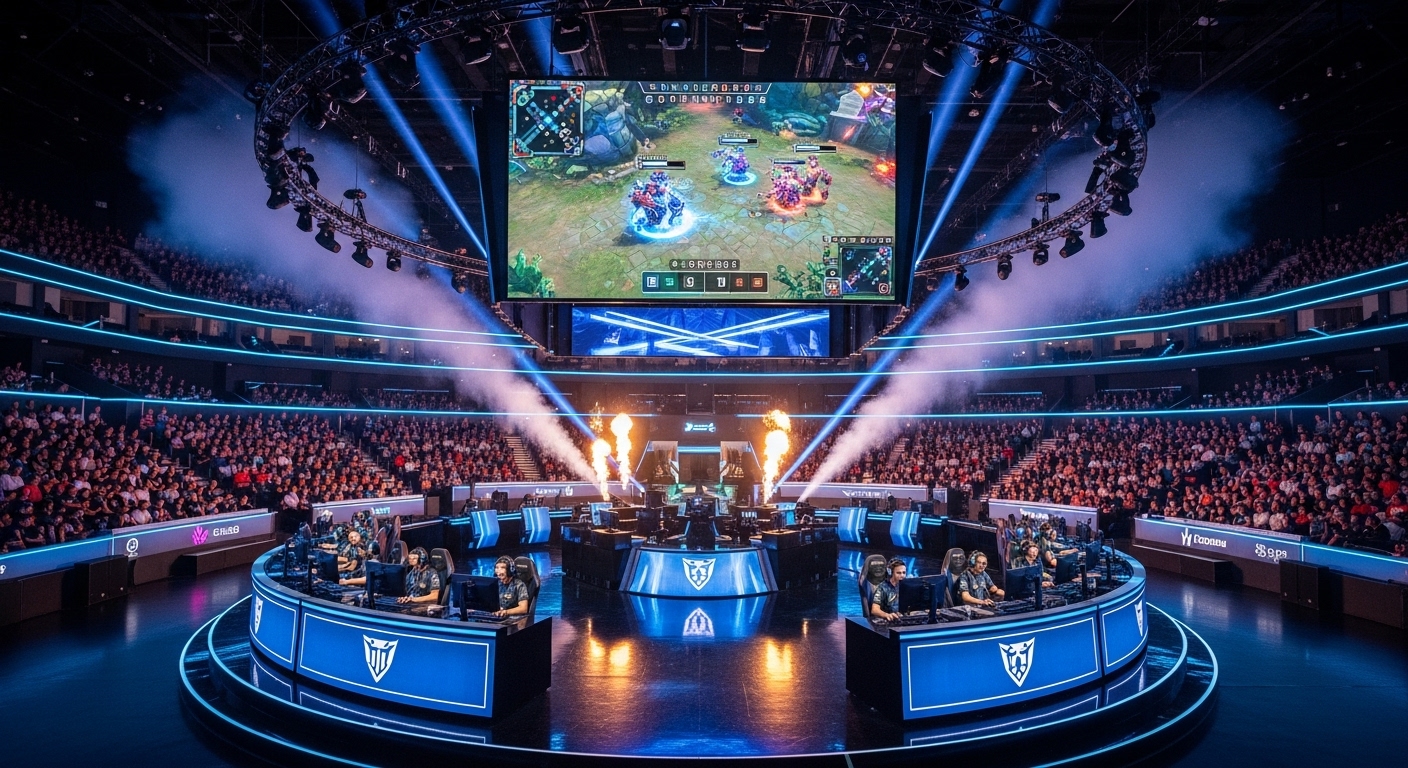
Live tournaments are held in massive arenas filled with enthusiastic fans. These events resemble traditional sports finals, complete with live commentary, pre-match analysis, bright stage lighting, and exciting fan rituals. Online viewership adds millions of additional spectators, turning major esports events into global celebrations.
The appeal lies not only in the action but also in the personalities of the players. Fans follow their favorite teams and players closely, celebrating victories and discussing strategies. Esports has created global fandoms that rival those of traditional sports teams, with passionate supporters cheering from every corner of the world.
Streaming Platforms and the Rise of Gaming Influencers
Streaming platforms have reshaped the entertainment landscape and contributed dramatically to the rise of esports. Gamers can broadcast their gameplay to global audiences, interact with fans in real time, and build communities around shared interests. This accessibility has turned many gamers into digital celebrities with substantial influence.
These influencers do more than entertain. They teach strategies, discuss game updates, and form tight-knit online communities. Many professional esports players also maintain active streaming channels, giving fans a glimpse into their training routines and personal lives.
Streaming has made esports more interactive than any other competitive entertainment format. Fans do not simply watch matches; they discuss, analyze, and engage directly with players. This relationship strengthens the global esports community, making it one of the most connected audiences in modern entertainment.
Behind the Scenes: The Business That Drives Esports
Esports is more than a competitive platform; it is a thriving business ecosystem. The industry generates revenue through sponsorships, merchandise, advertising, media rights, event tickets, and prize pools. Major corporations sponsor teams, tournaments, and individual players, recognizing the massive global audience that esports attracts.
Game developers also play a major role. They design and update games to ensure a balanced competitive environment, organize global leagues, and partner with organizations to build stronger esports ecosystems. Developers often work closely with tournament organizers to create fair rules, engaging spectator modes, and exciting event formats.
Esports organizations operate similarly to traditional sports clubs. They manage team rosters, secure sponsorship deals, develop training facilities, and build brand identities. This combination of gaming passion and business strategy pushes the industry forward, ensuring long-term stability and growth.
Esports Training: Discipline Behind the Digital Battlefield
While many people imagine esports players simply sitting at a computer and playing games all day, the reality is far more demanding. Professional players follow rigorous training schedules, often practicing eight to twelve hours daily. A typical training routine includes:
Mechanical skill drills
Strategy discussions
Team scrimmages
Replay analysis
Physical fitness sessions
Mental coaching
Players must stay focused, maintain quick reflexes, and make rapid decisions under intense pressure. Teams rely heavily on communication and synergy, so they train frequently to develop trust and consistency.
The mental aspect is equally important. Esports demands concentration, emotional control, and the ability to handle pressure during high-stakes matches. Many teams employ sports psychologists to help players stay calm, overcome anxiety, and perform at their best.
The Cultural Impact of Esports
Esports has significantly influenced modern culture. Gaming terms, phrases, and characters have entered mainstream conversations. Merchandise inspired by esports teams and game characters is popular among young people. Music videos, films, and television increasingly reference gaming culture.
Schools and universities are incorporating esports programs into their curriculum. Scholarships are offered to talented players, and many educational institutions now have official esports teams. This legitimizes esports as a career path and encourages young talent to pursue their passion.
The rise of esports has also broadened social connections. Gamers from different countries form friendships through shared experiences. Communities built around games encourage collaboration, creativity, and communication, creating a sense of belonging for millions.
Challenges Esports Must Overcome
Despite its success, esports faces several challenges that must be addressed for sustainable growth.
One major issue is player burnout. Long hours of practice, tight schedules, and competitive pressure can lead to mental and physical strain. Organizations are working to improve player welfare through structured breaks, fitness programs, and mental health support.
Another challenge is ensuring fair play. Cheating, hacking, and unauthorized software can threaten the integrity of professional matches. Strong anti-cheat systems and transparent rules are essential to maintaining trust in the industry.
Inclusivity is also an important concern. While esports is popular across demographics, female players and minorities face barriers and underrepresentation. Creating a more inclusive and supportive environment will help esports grow into a more diverse and welcoming global sport.
The Future of Esports: What Lies Ahead
Esports continues to evolve rapidly. With advancing technology, the future holds exciting possibilities. Virtual reality may create fully immersive gaming competitions, while artificial intelligence can enhance training programs and game balance. The rise of mobile gaming is also expanding esports to regions where high-end computers are less accessible.
Global audiences will continue to grow as younger generations adopt esports as a primary form of entertainment. More countries are recognizing esports as an official sport, and international competitions may eventually resemble major global sporting events.
Esports is poised to become even more influential, shaping careers, communities, and cultures around the world. Its future is filled with creativity, collaboration, and technological innovation.
Final Thoughts
Esports has transcended the boundaries of traditional gaming, becoming a global celebration of skill, strategy, and community. From local arcade competitions to massive international tournaments, esports has charted an extraordinary path filled with passion and innovation. It connects millions of fans, empowers new careers, and redefines the meaning of competition in a digital age.
The rise of esports represents more than entertainment. It is a cultural movement, a technological milestone, and a testament to the limitless potential of human creativity. As the digital colosseum continues to expand, it will inspire future generations to compete, collaborate, and imagine new possibilities in a world where gaming and global culture seamlessly unite.