Beyond the Screen: How Esports is Revolutionizing Competition and Culture
Introduction: The Rise of Esports
Esports, short for electronic sports, has emerged as one of the most influential and rapidly growing industries in the world. What began as casual video game competitions has transformed into a global phenomenon, with professional players, international tournaments, and millions of spectators across continents. Esports combines the excitement of traditional sports with the innovation and interactivity of digital platforms, creating a unique form of entertainment that resonates with modern audiences.
Unlike traditional sports, esports thrives on technology, strategy, and skill, enabling players to compete from almost anywhere in the world. Beyond the games themselves, esports impacts culture, education, technology, and careers, redefining what it means to participate in competitive sports in the 21st century.
The Origins of Esports
The history of esports dates back to the late 1970s and early 1980s with the rise of arcade gaming. Early competitions were informal gatherings, often hosted in arcades or at universities. Classic titles like Space Invaders, Pac-Man, and later Street Fighter and Tetris introduced players to the concept of competitive play beyond casual gaming. These competitions emphasized skill, precision, and reaction time, laying the foundation for the professional scene.
The 1990s and early 2000s saw the emergence of internet-based gaming, which allowed players to compete remotely. Games like StarCraft, Counter-Strike, and Warcraft III gained massive followings, particularly in South Korea, where esports began to develop as a structured, professional industry. Early tournaments, known as LAN events, created the blueprint for today’s major esports competitions, introducing the concept of professional players and organized teams.
The Growth of Esports as an Industry
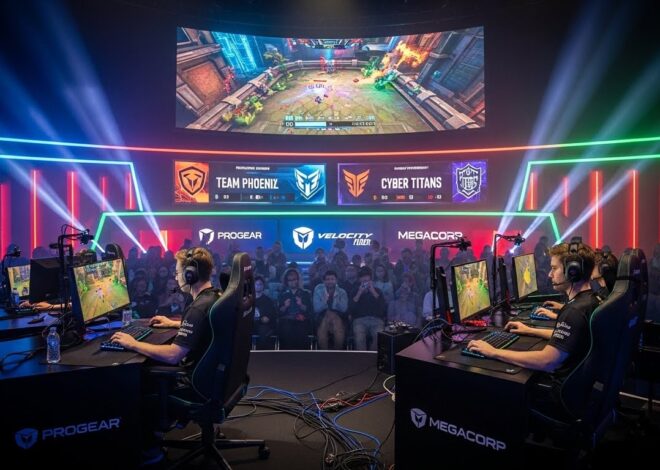
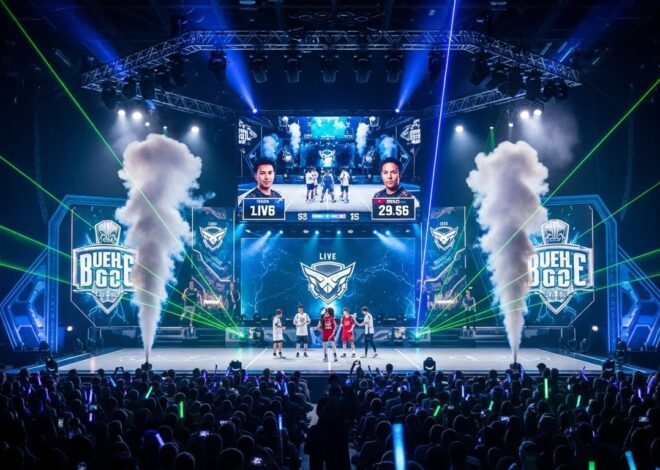
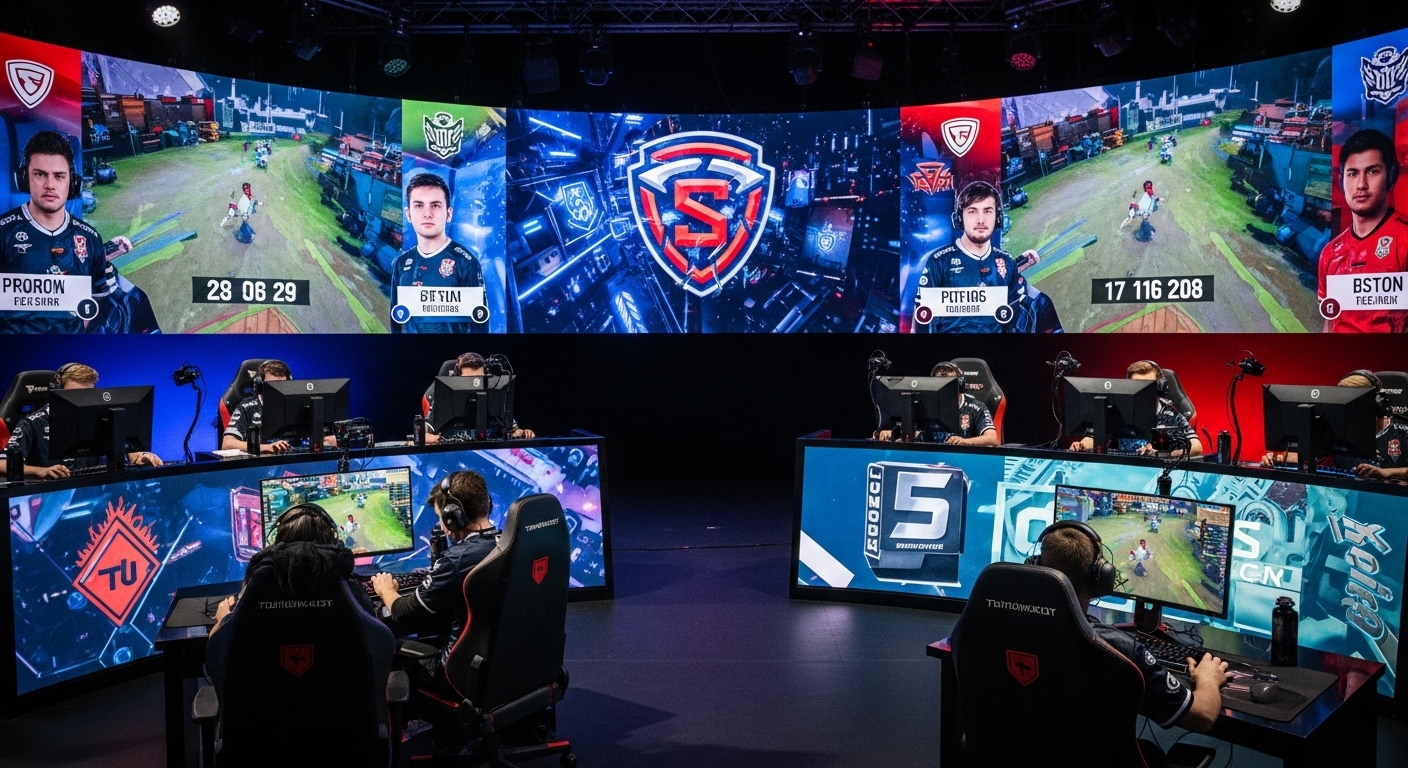
Today, esports is a multi-billion-dollar industry with a wide-reaching global impact. Major tournaments such as The International, League of Legends World Championship, and Fortnite World Cup attract millions of viewers and feature prize pools in the millions of dollars. Professional esports players now train rigorously, following structured schedules and maintaining physical fitness, mental health, and strategic focus.
Esports organizations have become sophisticated enterprises, employing coaches, analysts, managers, and content creators to support their teams. Sponsorships from global brands, media rights, and streaming platforms contribute to the financial growth of esports, making it a viable and lucrative career path for talented individuals. The industry’s rapid expansion reflects its appeal to both players and fans worldwide, establishing esports as a legitimate form of professional competition.
Popular Esports Games and Genres
Esports encompasses a wide variety of games and genres, each requiring distinct skills and strategies. Multiplayer online battle arena (MOBA) games like League of Legends and Dota 2 emphasize teamwork, strategy, and real-time decision-making. First-person shooters (FPS) such as Counter-Strike: Global Offensive and Call of Duty test reflexes, accuracy, and tactical planning. Battle royale games like Fortnite and PUBG combine survival strategy with rapid gameplay, appealing to a diverse player base.
Other genres, including sports simulations, fighting games, and card games, have also gained prominence. The diversity of esports ensures there is something for nearly every type of gamer, attracting a wide and engaged global audience.
Esports and Professionalism
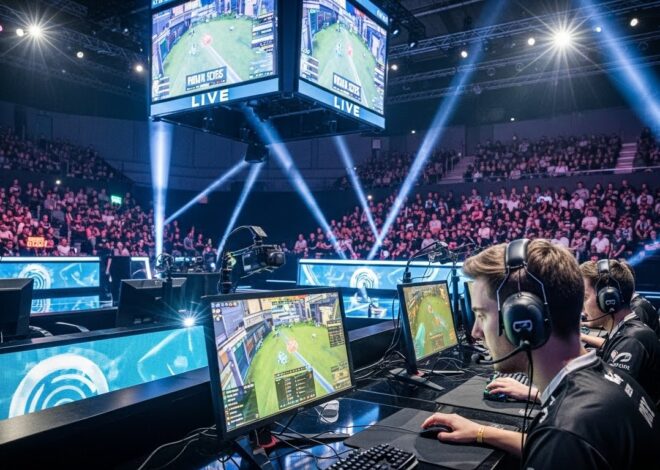
The professionalization of esports has transformed how games are played and viewed. Players follow strict training regimens that include mechanical practice, strategic analysis, teamwork exercises, and physical fitness routines to maintain endurance during long competitions. Teams employ coaches and analysts to review gameplay, develop strategies, and optimize performance.
This level of professionalism mirrors traditional sports in intensity and structure. Players often start at a young age, participating in amateur tournaments before advancing to regional, national, and international competitions. With scholarships, sponsorships, and professional contracts, esports has become a legitimate career path, offering opportunities for players, commentators, analysts, and content creators.
The Global Audience of Esports
One of the defining aspects of esports is its massive and engaged audience. Millions of fans watch live events in stadiums, online streaming platforms, and social media channels. Platforms like Twitch, YouTube Gaming, and specialized esports websites allow fans to follow competitions, interact with players, and engage with communities in real time.
Esports audiences are not limited by geography, making it a truly global phenomenon. South Korea, China, the United States, and Europe are major hubs, but esports viewership extends to nearly every country with internet access. The accessibility of esports allows fans to experience professional gameplay without traditional barriers, democratizing access to competitive entertainment.
The Role of Technology in Esports
Technology is central to esports, from the hardware players use to the platforms that broadcast competitions. High-performance computers, gaming consoles, and peripherals ensure precision and responsiveness, while fast and reliable internet connectivity enables competitive play across continents.
Data analytics, performance tracking, and strategy analysis tools allow players and teams to refine skills and improve outcomes. Advances in virtual reality and augmented reality promise to further enhance esports experiences, providing immersive gameplay and spectator engagement. Technology continues to be a driving force in the growth, accessibility, and appeal of esports worldwide.
Esports as a Cultural Phenomenon
Esports has influenced culture in ways that extend beyond gaming. It has created digital communities, inspired content creation, and shaped media trends. Fans follow players not only for their gameplay but also for their personalities, streaming content, and engagement in social media communities.
The rise of esports celebrities has given fans role models and influencers, much like athletes in traditional sports. Merchandise, fan events, cosplay, and tournaments have become cultural touchstones, highlighting the deep connection between esports and modern digital culture. Esports has also fostered inclusivity, allowing players from diverse backgrounds and countries to compete and collaborate.
Education and Esports
Educational institutions are increasingly recognizing esports as a valuable tool for learning and development. Universities offer esports scholarships, create dedicated programs, and establish collegiate leagues. These programs teach teamwork, strategic thinking, communication, and leadership skills while providing opportunities for students to pursue professional careers in gaming.
Esports also promotes STEM education. Game design, programming, and analytics are closely tied to competitive gaming, offering practical applications for students pursuing technology, engineering, and creative fields. By integrating esports into education, schools and universities prepare students for both digital careers and the competitive entertainment industry.
Mental and Physical Challenges in Esports
Esports may appear purely digital, but it requires both mental and physical discipline. High-level players maintain focus under pressure, react quickly to dynamic situations, and manage fatigue during long competitions. Hand-eye coordination, reflexes, and spatial awareness are critical skills that demand regular practice.
Physical health is also essential. Many professional players follow exercise routines, maintain proper nutrition, and prioritize mental wellness to prevent burnout and repetitive strain injuries. The challenges of esports mirror the dedication required in traditional sports, emphasizing the importance of training, strategy, and holistic preparation.
The Future of Esports
The future of esports is full of potential and innovation. Virtual reality and augmented reality are likely to enhance both gameplay and spectator experiences, offering more immersive ways to engage with competitive gaming. Cloud gaming may increase accessibility, allowing players with lower-end hardware to compete at high levels.
Esports will continue to gain recognition as a professional sport. Collegiate leagues, international competitions, and standardized regulations will strengthen its legitimacy. As technology advances, audiences grow, and cultural acceptance expands, esports will play an increasingly significant role in entertainment, careers, and digital culture.
Conclusion: Esports as a Global Force
Esports has redefined competition, entertainment, and culture in the digital age. It offers opportunities for personal growth, professional careers, and social engagement, while pushing the boundaries of technology and creativity. Through competitive gameplay, streaming, and global communities, esports unites people worldwide, fostering collaboration, innovation, and inspiration.
From grassroots competitions to international tournaments, esports has proven that gaming is more than a pastime—it is a serious, influential, and enduring form of competition. As the industry evolves, it will continue to shape how we interact, compete, and experience entertainment in the 21st century.