The Thriving World of Esports: How Competitive Gaming Became a Global Powerhouse
Introduction: A New Era of Competition
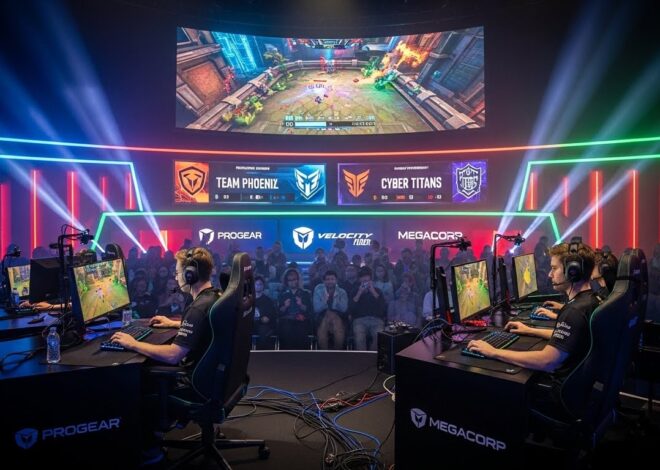
Esports, or electronic sports, has gone from a niche hobby to a booming global industry. What was once seen as just a pastime for gamers has become a major cultural force, with millions of fans and players around the world. Competitive gaming now commands massive online viewership, fills stadiums, and provides players with lucrative career opportunities. As technology has advanced, so too has the scale and excitement of esports. What was once a casual activity between friends has transformed into a professional spectacle, with millions of dollars in prize money, sponsorships, and media coverage.
In this blog, we explore the rise of esports, its impact on the global gaming community, and the future of competitive gaming as it continues to evolve.
The Evolution of Esports: From Arcades to Online Leagues
Esports is built on a foundation of competitive play, but its roots can be traced back to the early days of video gaming. The first competitions were held in the late 1970s and 1980s, centered around arcade games like Space Invaders and Pac-Man. These early events, while small in scale, introduced the concept of competitive gaming to the world. However, it wasn’t until the internet became more accessible that esports began to truly evolve into the global phenomenon it is today.
The late 1990s and early 2000s marked a pivotal period for esports. Online games like Quake, StarCraft, and Counter-Strike allowed players to compete from the comfort of their homes, creating the foundation for what would eventually become professional gaming leagues. As the internet connected players from across the globe, the idea of online tournaments and organized competitions began to take shape. Platforms like Twitch and YouTube allowed gamers to stream their gameplay, further fueling the growth of esports and transforming it from a local activity into a worldwide entertainment industry.
The Rise of Professional Esports Leagues
One of the defining moments in esports history came with the creation of organized, professional leagues and tournaments. The first real taste of professional esports came with games like Warcraft III and StarCraft II, which became the centerpiece of competitive gaming in the early 2000s. These games allowed for the creation of formal tournaments that attracted players, spectators, and sponsors alike.
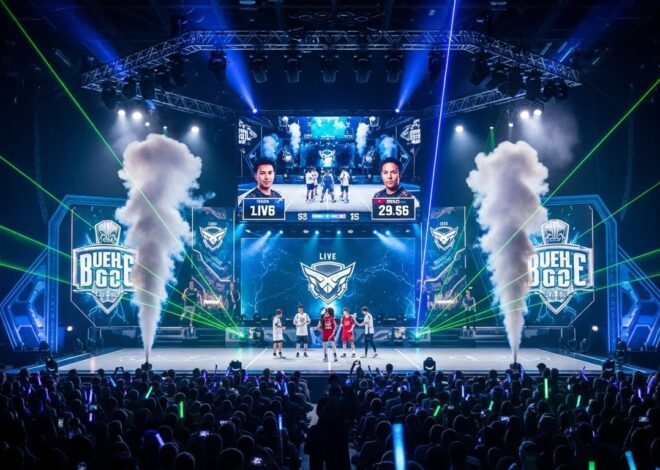
In the last decade, esports leagues have become more sophisticated and widely recognized. Games like League of Legends, Dota 2, and Overwatch have introduced multi-million-dollar prize pools and professional franchises. The League of Legends World Championship, for example, has attracted millions of viewers each year and filled stadiums with live audiences, while the Dota 2 International has seen its prize pools break records, surpassing $30 million in recent years.
The Business of Esports: Revenue Streams and Sponsorships
The rise of esports has not only transformed the way people view competitive gaming but also how it is monetized. The business side of esports has seen an explosion of revenue streams, driven by sponsorships, media rights, merchandise sales, and more. Major brands like Coca-Cola, Intel, and Nike have invested heavily in esports, recognizing the industry’s potential to reach a younger, tech-savvy audience.
Esports teams have become sophisticated organizations, with their own management, coaches, and analysts. These teams often sign exclusive sponsorships and build their own brand identities, just like traditional sports teams. As esports continue to grow, players can earn income not only from tournament winnings but also from streaming platforms, endorsement deals, and social media collaborations. Many professional esports athletes also supplement their income by creating content for platforms like Twitch and YouTube, where they can interact with fans, live-stream their gaming sessions, and attract sponsorships directly.
Furthermore, media rights have become a significant source of revenue for the esports industry. Major streaming platforms like Twitch and YouTube Gaming have become essential for broadcasting live tournaments. These platforms attract millions of viewers who tune in to watch their favorite players or teams compete, and advertisers are eager to get in front of this engaged audience. This ecosystem creates a win-win situation for both esports organizations and content creators.
The Players: Elite Athletes in the Digital Arena
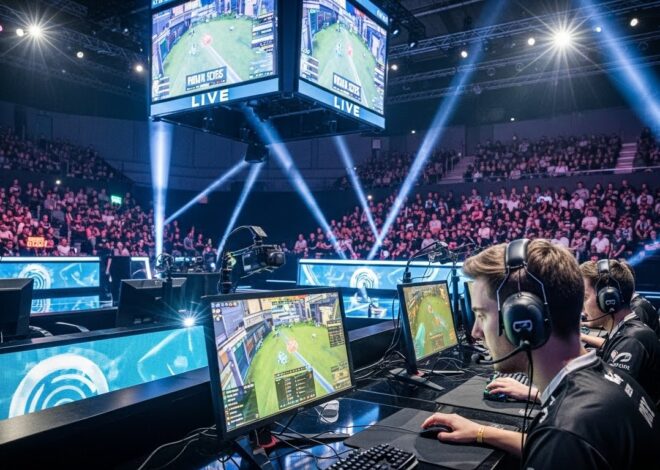
One of the key factors behind the rise of esports has been the development of professional players who are now treated like elite athletes. These players dedicate hours of practice each day, honing their skills and strategies to compete at the highest level. In many ways, competitive gamers are no different from athletes in traditional sports. They train rigorously, work with coaches, and are constantly looking for ways to improve their gameplay.
Becoming a professional esports player requires not only exceptional gaming skills but also mental fortitude and discipline. Players must be able to maintain focus under intense pressure, communicate effectively with teammates, and adapt quickly to new tactics. Some esports players train for up to 12 hours a day, perfecting their gameplay and studying their opponents. Success in esports isn’t just about quick reflexes; it also demands a high level of strategic thinking, teamwork, and game knowledge.
The life of a professional esports player is often grueling. While the rewards can be immense, players face long hours, constant travel for tournaments, and intense public scrutiny. Yet for those who make it to the top, esports can offer fame, fortune, and the opportunity to inspire millions of fans worldwide.
Esports Fans and Community Culture
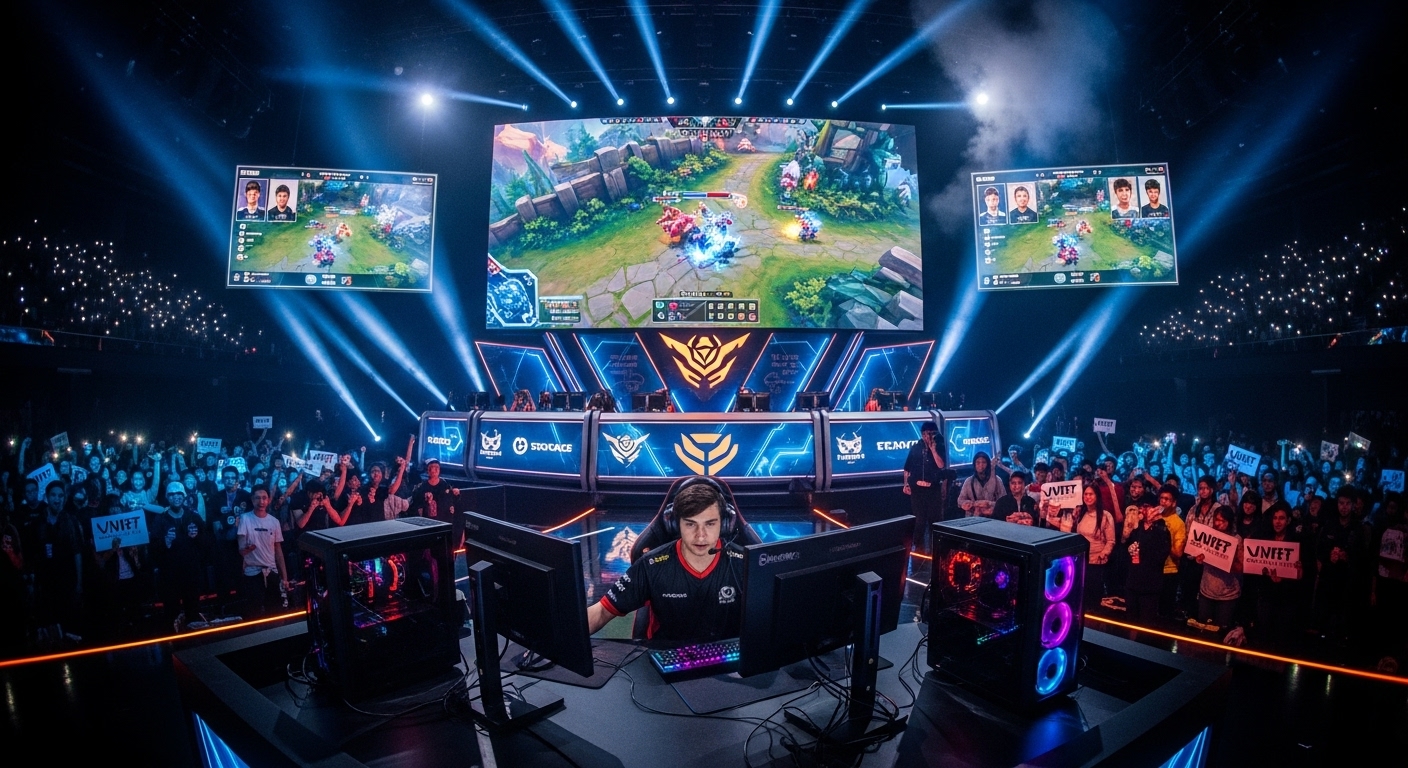
Perhaps one of the most compelling aspects of esports is its passionate and engaged fanbase. Esports fans are some of the most dedicated and loyal in the world, often following their favorite players, teams, and tournaments year-round. This deep connection between fans and players is what sets esports apart from many other forms of entertainment.
Fans follow live broadcasts, attend tournaments in person, and engage with content creators on social media. The community surrounding esports is vibrant and inclusive, with fans coming together to celebrate their shared love of gaming. Online platforms like Reddit, Twitter, and Discord allow fans to interact with each other and with players, creating a sense of belonging and excitement.
Esports has also given rise to a new form of fan interaction. Unlike traditional sports, where spectators typically watch games from the stands or TV, esports fans can directly engage with their favorite players and personalities through live streams. Players often communicate with fans in real-time, creating a more intimate and interactive viewing experience.
The Impact of Esports on Education and Career Development
While esports is widely regarded as a form of entertainment, it is also having a profound impact on education and career development. Many universities and colleges now offer scholarships for talented esports players, and dedicated esports programs are being created to help students develop their skills both in-game and professionally.
Esports programs are not limited to just gameplay; they also provide opportunities for students to study business, marketing, broadcasting, and event management within the context of the esports industry. This growing recognition of esports as a legitimate career path is helping to reshape the future of education and work in the digital age.
Students involved in esports can develop valuable skills, such as teamwork, leadership, communication, and problem-solving, which are applicable in many other industries. These programs are also helping to break down stereotypes about gaming and highlight its potential as a tool for personal and professional growth.
The Future of Esports: New Horizons
As the esports industry continues to grow, its future looks incredibly promising. New technologies, such as virtual reality (VR) and augmented reality (AR), are expected to have a profound impact on esports, offering new ways for players to engage with the game world and fans to experience tournaments. The integration of AI-driven coaching tools, more immersive experiences, and greater cross-platform competition will continue to enhance the gaming experience for both players and fans.
Esports is also expanding globally, with new markets emerging in Asia, Europe, and North America. Countries like China and South Korea have already embraced esports as a national pastime, while others are investing heavily in infrastructure to support its growth. This international expansion will only increase the reach and popularity of esports, making it a truly global industry.
One of the most exciting developments in the future of esports is its increasing acceptance in mainstream media. Major sports networks like ESPN and NBC have begun broadcasting esports tournaments, and more traditional sports teams are getting involved in the scene. The merger of esports with mainstream media will elevate its profile and attract even more attention from sponsors, advertisers, and viewers.
Conclusion: A New Frontier in Entertainment
Esports has come a long way from its humble beginnings as a casual hobby. It has become a global entertainment powerhouse, attracting millions of fans, creating career opportunities for players, and generating significant revenue. With technological advancements, a dedicated fanbase, and professional leagues, esports is poised for continued growth and mainstream acceptance.
As esports continues to evolve, it is clear that competitive gaming is no longer just a niche activity but an integral part of the global entertainment landscape. Whether you’re a player, fan, or simply curious about this new form of competition, it’s clear that esports is here to stay, and its future is bright.