Esports Unleashed: The Digital Revolution Shaping the Future of Competitive Gaming
Introduction
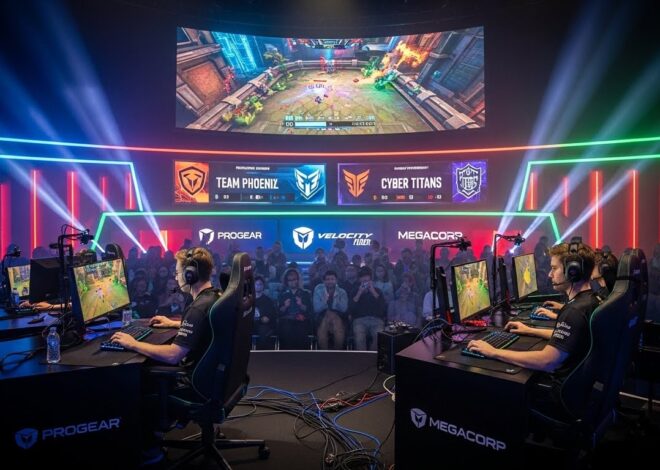
The world of competitive gaming, or esports, has experienced an unprecedented rise in recent years. What began as a niche pastime for gamers has transformed into a multi-billion-dollar industry that is reshaping how we view entertainment, competition, and even culture. Esports, or electronic sports, refers to organized multiplayer video game competitions, particularly between professional players, and has become one of the most exciting and dynamic fields in modern entertainment.
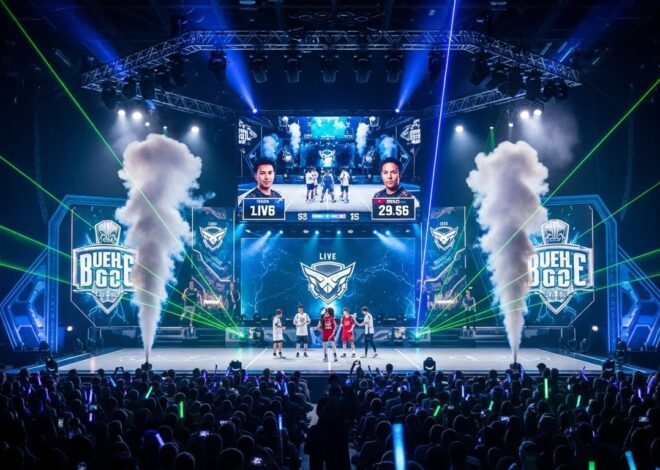
From humble beginnings in local LAN parties to sold-out stadiums hosting world championships, esports now commands global attention. Millions of fans tune in to watch tournaments live, while top esports athletes make their mark on the world stage with sponsorships, endorsement deals, and a dedicated fanbase. In this blog, we’ll explore the rise of esports, its impact on the gaming industry, and its cultural significance as it continues to evolve in the digital age.
The Evolution of Esports
Esports may seem like a relatively new phenomenon, but its origins stretch back several decades. The first competitive gaming event took place in 1972 at Stanford University, where students competed in a game called “Spacewar” for a prize—a yearlong subscription to Rolling Stone magazine. While that might seem modest compared to today’s global tournaments, it marked the beginning of something bigger.
In the 1990s, multiplayer games like “Quake” and “Warcraft” began to make their mark in competitive circles. The advent of the internet allowed players to compete globally, and LAN (Local Area Network) tournaments became a common way to bring players together. However, it wasn’t until the rise of games like “StarCraft” in the late 1990s and early 2000s that esports began to gain real traction. In South Korea, “StarCraft” became a cultural phenomenon, and professional gaming leagues were established, laying the groundwork for modern esports.
By the mid-2000s, the rise of platforms like Twitch and YouTube Gaming gave competitive gaming a huge boost, enabling players to stream their gameplay and connect with an international audience. Esports tournaments grew exponentially in both size and viewership. Major events like “The International” (the annual “Dota 2” championship) began offering prize pools worth millions of dollars, drawing in players, sponsors, and spectators from around the world. Today, games like “League of Legends,” “Fortnite,” and “Counter-Strike: Global Offensive” dominate the esports scene, with international competitions drawing millions of viewers.
Esports as a Professional Industry
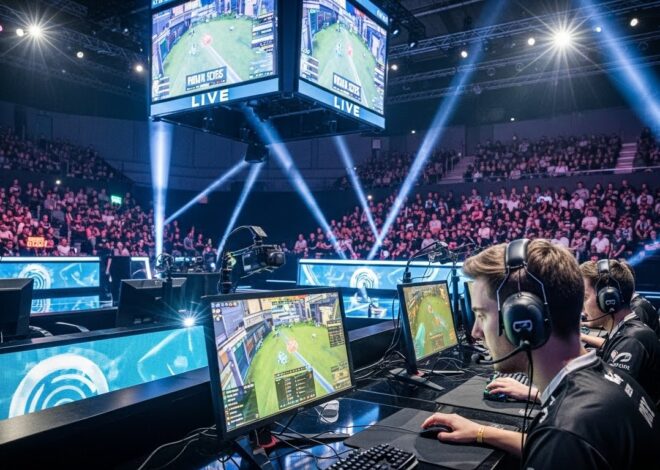
Esports has become a full-fledged professional industry. Competitive gaming is no longer just a hobby for enthusiasts—it is now a legitimate career path for talented players and coaches. Professional gamers train rigorously, often spending eight hours a day practicing, refining their skills, and developing strategies to outperform their competition. Many top-tier esports athletes sign contracts with major organizations, earn salaries, and compete in high-profile tournaments for large prize pools.
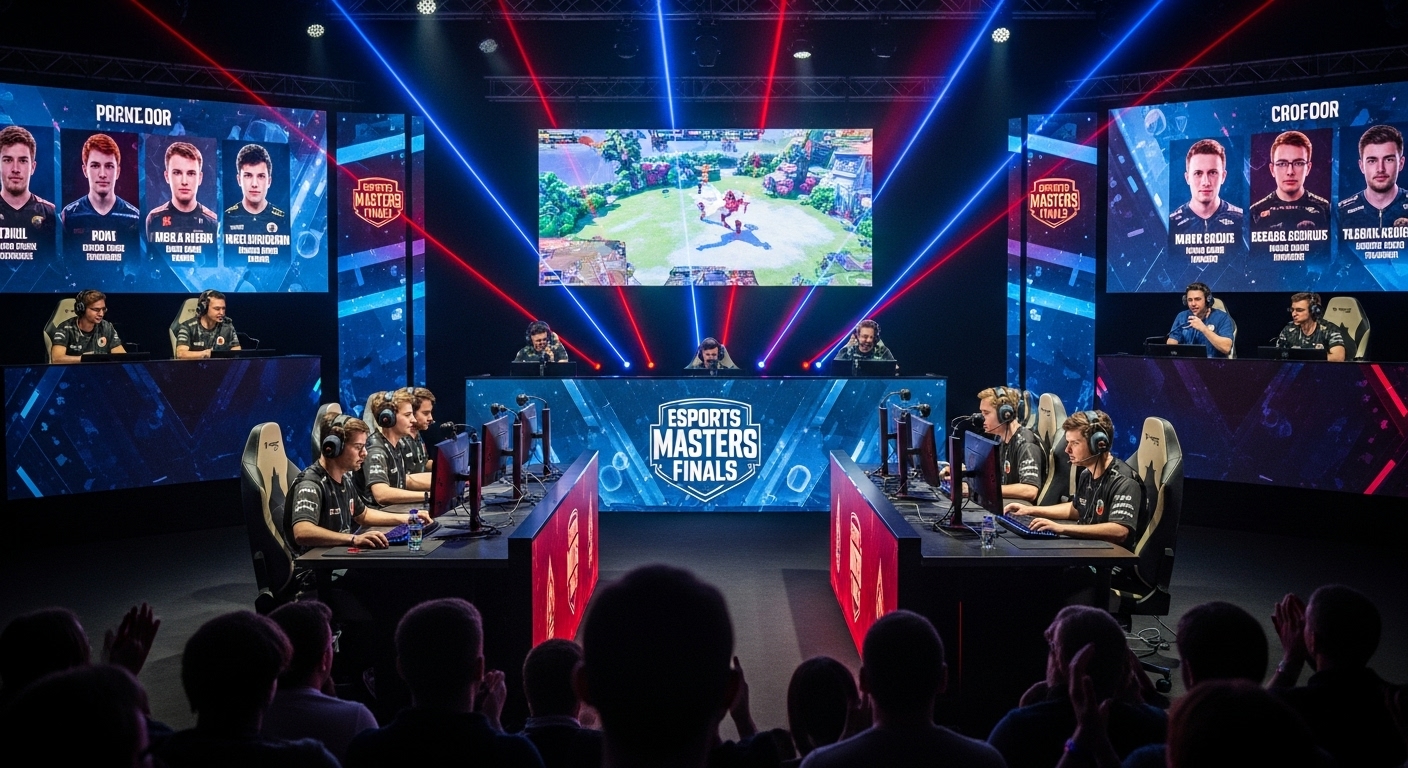
One of the most significant aspects of the professionalization of esports is the emergence of dedicated esports teams. Just like traditional sports, these teams consist of skilled players who train together, strategize, and compete in league systems. These teams have dedicated coaching staff, analysts, and support teams who help players improve their performance. Major esports organizations such as Cloud9, T1, and Team Liquid represent the pinnacle of competitive gaming, with players whose names are known across the globe.
Esports has also become a lucrative business. In 2020, the esports industry generated more than $1 billion in revenue, driven by sponsorships, advertising, media rights, and merchandise sales. Brands from a wide range of industries—including tech, gaming, and lifestyle—sponsor teams and tournaments, further cementing esports as a mainstream business sector.
The Global Appeal of Esports
What makes esports unique compared to traditional sports is its truly global appeal. Traditional sports are often limited by geography or culture—football is predominantly played in Europe, cricket in the Indian subcontinent, and baseball in North America. Esports, on the other hand, transcends borders and brings players from all corners of the globe together. A player in South Korea can compete against one in Europe or North America in real-time, showcasing the international nature of the sport.
Esports tournaments are held across the world, with major events taking place in cities like Los Angeles, Seoul, Paris, and Shanghai. The largest tournaments, such as the League of Legends World Championship and the Dota 2 International, attract millions of viewers from across the globe, not just to watch the games but to experience the culture surrounding esports.
Streaming platforms like Twitch and YouTube Gaming play a pivotal role in expanding the reach of esports. With these platforms, fans can watch live broadcasts of tournaments, follow their favorite players, and interact with the gaming community. In fact, the popularity of Twitch and other live streaming services has played a critical role in building esports’ fanbase and growing its global audience.
Esports has become a global cultural phenomenon, with millions of fans and players engaging in online communities, creating content, and attending live events. This global network of fans and players has led to esports becoming a truly international entertainment medium, where cultural exchange happens effortlessly and instantaneously.
The Role of Streaming and Content Creation in Esports
One of the key drivers of esports’ success has been the rise of streaming and content creation. Unlike traditional sports, where fans primarily consume media through television broadcasts, esports fans have the ability to engage with the content on a deeper level through platforms like Twitch, YouTube, and Facebook Gaming. These platforms allow players to stream their gameplay live, while also interacting with their audience through real-time chat, creating a sense of community and connection.
Twitch, in particular, has become the de facto platform for esports streaming. Established in 2011, Twitch has revolutionized the way people watch video games. It allows fans to watch professional players, tournaments, and casual streamers in real-time, and provides a direct line of communication between streamers and their fans. The interactive nature of live streaming allows fans to ask questions, share their thoughts, and cheer on their favorite players, creating a sense of inclusivity and excitement.
Streaming has also paved the way for a new breed of esports celebrities—streamers and content creators who have built massive followings and generate revenue through sponsorships, donations, and merchandise sales. These streamers often transcend the traditional role of professional players by engaging in more casual gaming, creating tutorials, and sharing personal stories, further expanding the appeal of esports.
Esports and Education: A New Avenue for Opportunities
The rapid rise of esports has not only impacted entertainment but also education. As esports becomes more mainstream, educational institutions are beginning to recognize its value as both an extracurricular activity and a potential career path. Many universities and colleges now offer scholarships for esports players, and some even have dedicated esports teams that compete in collegiate leagues. These scholarships are particularly appealing to high school students who show promise in esports and wish to continue their education while pursuing competitive gaming.
In addition to offering competitive opportunities, esports also provides a platform for students to develop a wide range of skills. Students involved in esports teams learn about teamwork, strategy, leadership, and time management—skills that are transferable to nearly any career field. Many universities are also offering courses in esports management, marketing, game design, and digital media, giving students the tools they need to pursue careers in the expanding esports ecosystem.
Esports has become a viable career path for young gamers who might otherwise have limited professional opportunities. By combining their passion for gaming with their education, students are finding new ways to excel in the digital world.
The Future of Esports
The future of esports looks incredibly promising. As technology continues to advance, we can expect to see even more immersive experiences for players and fans alike. Virtual reality (VR) and augmented reality (AR) are poised to revolutionize the way we experience gaming, creating new ways for players to interact with the game environment and for fans to experience the action in an entirely new way.
The rise of mobile gaming is another factor contributing to the growth of esports. With the increasing power of smartphones and tablets, games like “PUBG Mobile,” “Clash Royale,” and “Mobile Legends” have attracted massive audiences. Mobile esports is becoming a major segment of the industry, and tournaments for mobile games are now attracting global audiences, making esports more accessible to a wider demographic.
Moreover, as more mainstream media outlets and brands invest in esports, we can expect the industry to continue to grow exponentially. Major media companies have begun broadcasting esports events on television, while global brands continue to sponsor teams and tournaments. The future of esports looks set to be even more integrated into our daily lives, with esports becoming a regular fixture of mainstream entertainment.
Challenges and Considerations in Esports
Despite its massive growth, esports is not without its challenges. One of the most pressing concerns in the esports industry is the mental and physical well-being of players. Competitive gaming requires hours of intense focus, and many players suffer from physical ailments like carpal tunnel syndrome, back pain, and eye strain. The mental toll of competition can also lead to stress, anxiety, and burnout.
Another issue facing esports is its relatively unregulated nature. Unlike traditional sports, esports does not have a centralized governing body that oversees its operations, which can lead to inconsistencies in rules and practices. Organizations are working to address issues like match-fixing, cheating, and doping in esports, but as the industry grows, these challenges will need to be addressed more effectively.
Finally, inclusivity remains a challenge in esports. Although the industry is making strides in promoting diversity and inclusion, the majority of top-tier players and teams are still male. There is a growing push to encourage women and underrepresented groups to participate in esports, but more efforts need to be made to ensure equal opportunities for all.