Esports: A Digital Playground Revolutionizing the World of Competitive Entertainment
The Rise of Esports: From Casual Gaming to Global Phenomenon
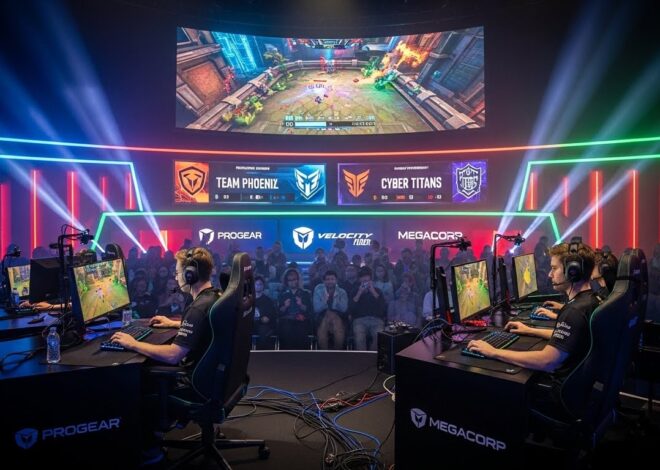
In the last two decades, a quiet revolution has swept across the entertainment industry. Competitive gaming, once a hobby confined to a small community of players, has transformed into a global spectacle known as esports. What was once a niche activity is now a multi-billion-dollar industry, attracting millions of fans, professional players, and major sponsorships. The growth of esports has been nothing short of extraordinary, reshaping the way we view gaming, competition, and entertainment itself.
Esports, short for electronic sports, refers to organized multiplayer video game competitions, particularly between professional players, teams, or organizations. It spans a wide range of games, from real-time strategy games like StarCraft and Warcraft, to multiplayer online battle arena (MOBA) games such as League of Legends, to first-person shooters like Counter-Strike and Call of Duty. What sets esports apart from casual gaming is the scale, professionalization, and the sheer number of viewers and participants that engage in it.
The Early Days of Esports: A Humble Start
The roots of esports can be traced back to the early 1990s when multiplayer gaming began to take shape. Games like Doom, Quake, and Warcraft offered players the opportunity to compete against each other in real-time via local area networks (LAN) or dial-up internet connections. These early competitions were small in scale, often held in internet cafes or local gaming events. However, they provided a glimpse of what would come in the future.
By the late 1990s and early 2000s, the competitive gaming scene began to take on a more structured form. Major gaming tournaments such as the World Cyber Games (WCG) and Electronic Sports World Cup (ESWC) were established, bringing together some of the best players from around the world to compete for prizes. These tournaments were still relatively small compared to today’s massive global events, but they set the stage for the esports explosion that would follow.
The advent of broadband internet played a pivotal role in esports’ growth, allowing gamers to compete from the comfort of their homes. Streaming services like Twitch and YouTube Gaming provided a platform for esports to reach a wider audience, making it possible for fans to watch their favorite players and teams in real-time.
The Professionalization of Esports: From Hobby to Career
As esports grew in popularity, so too did the level of professionalism in the industry. What once was a hobby for a select few quickly evolved into a legitimate career path for gamers. Professional teams, coaches, analysts, and organizers began to emerge, mirroring the structure of traditional sports organizations.
Teams like Team Liquid, Fnatic, and Cloud9 started recruiting top players, offering salaries and training facilities to help them improve their skills. These teams also began competing in international leagues, which offered prize money, sponsorship deals, and the potential for players to make a living from playing video games.
The shift from casual gaming to professional esports also brought with it a greater emphasis on teamwork, strategy, and mental preparation. Players were no longer just competing for bragging rights; they were now part of a larger, organized effort to win titles and attract sponsorships. This shift in focus also led to the creation of specialized roles within esports teams, such as coaches, analysts, and psychologists, who help players perform at their peak.
Esports also saw the rise of streaming as a way for players to connect with fans. Platforms like Twitch allowed players to broadcast their matches and interact with their audience, creating a unique relationship between players and fans. Top players such as Ninja and Shroud became celebrities in their own right, attracting millions of followers and partnering with brands for sponsorships.
The Economics of Esports: A Multi-Billion Dollar Industry
Esports has rapidly become a multi-billion-dollar industry, attracting global attention from investors, advertisers, and major corporations. The economics of esports are driven by a combination of factors, including sponsorships, advertising, media rights, ticket sales, merchandise, and prize pools.
One of the key drivers behind the financial growth of esports is sponsorship. Just like traditional sports, esports teams and tournaments attract sponsorships from major brands looking to target the young, tech-savvy audience that makes up the majority of esports fans. Companies like Intel, Coca-Cola, Red Bull, and Nike have all invested heavily in esports, either by sponsoring teams or by partnering with major tournaments. This influx of sponsorship money has allowed esports to thrive and become a financially sustainable industry.
Prize pools for major esports tournaments have also skyrocketed in recent years. For example, the prize pool for the Dota 2 International, one of the largest esports tournaments in the world, has reached over $40 million, with the winning team taking home a significant portion of that amount. Other games like League of Legends and Counter-Strike: Global Offensive offer millions of dollars in prize money to the best teams in the world.
Esports organizations also generate revenue through merchandise sales, live event ticket sales, and media rights. Major tournaments, such as the League of Legends World Championship, draw massive crowds both in-person and online. The demand for team jerseys, hats, and other fan merchandise has become a significant source of income for esports teams and organizations.
The Global Esports Ecosystem: Players, Teams, Fans, and Tournaments
Esports is not just about the players on the screen—it is a complex ecosystem involving players, teams, coaches, fans, sponsors, and tournament organizers. Each part of the ecosystem plays a critical role in making esports what it is today.
Players and Teams
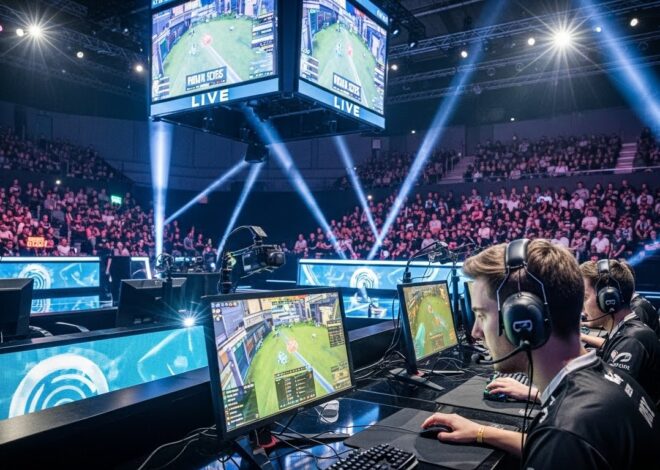
At the heart of esports are the players and teams. Professional esports players are highly skilled individuals who dedicate hours each day to improving their craft. To succeed, players must master the intricacies of the games they play, develop strategies with their teams, and stay focused under immense pressure. Teams, like SK Telecom T1 in League of Legends or Astralis in Counter-Strike, have become household names, with fans worldwide following their journey and cheering them on in competitions.
Fans and Communities
Esports has also fostered a global community of passionate fans. Fans support their favorite teams and players, often forming online communities around specific games or franchises. These communities are not limited to just watching tournaments; fans engage with the players on social media, participate in discussions on forums, and create content that celebrates the esports culture. Events like the League of Legends World Championship and The International for Dota 2 have massive viewerships, with millions of fans watching the live stream of these tournaments from all corners of the globe.
Tournaments and Leagues
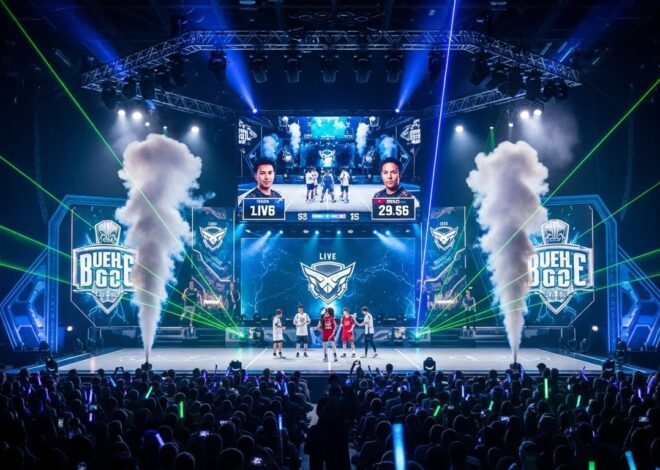
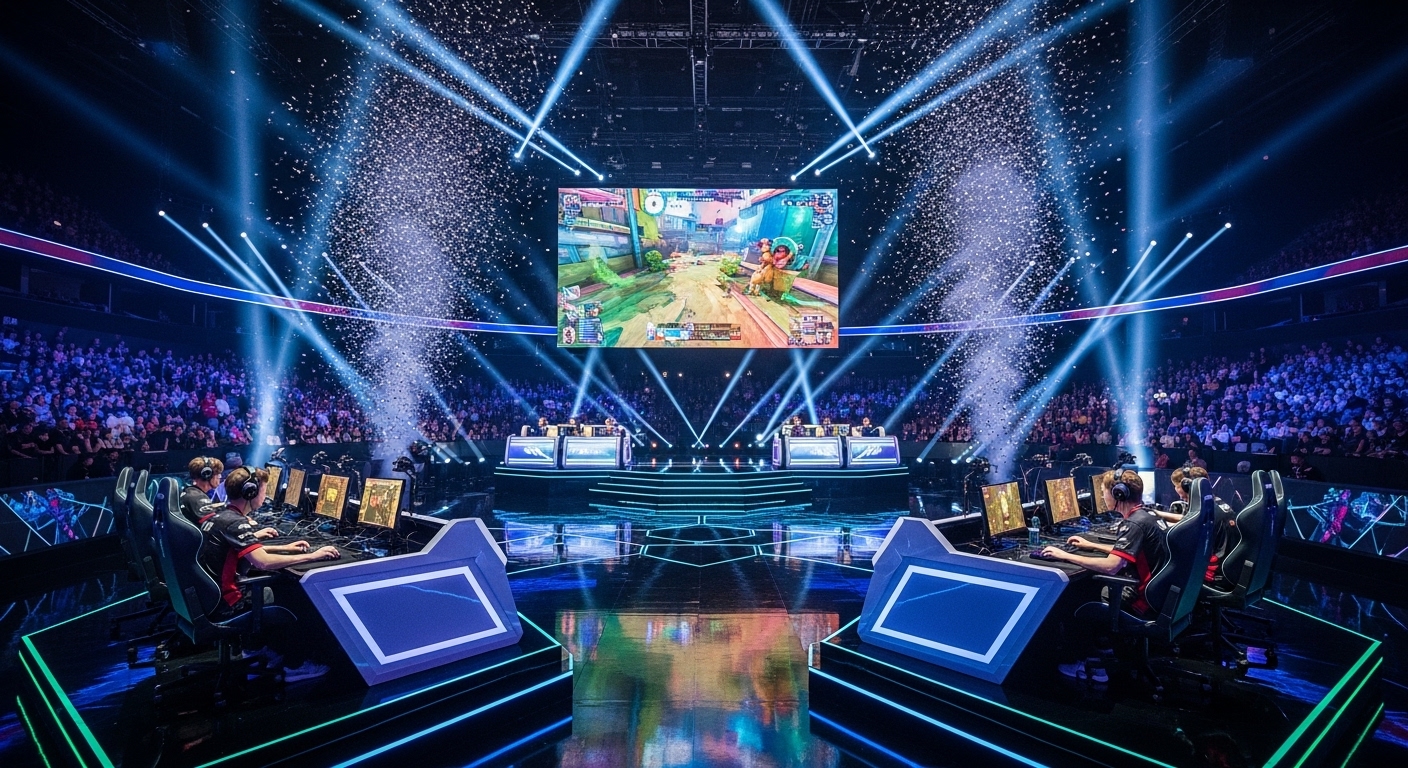
Esports tournaments are the stage where all the action happens. Major events like The International, League of Legends World Championship, and Overwatch League draw enormous audiences both online and in-person. These tournaments often take place in iconic venues like the Staples Center in Los Angeles or Arena São Paulo in Brazil. The growth of esports leagues has also created a professional circuit where players compete year-round for points, prizes, and prestige. The establishment of leagues like the Call of Duty League and Overwatch League has helped to bring more structure and stability to the competitive gaming scene, offering players and teams consistent opportunities to showcase their skills.
The Cultural Impact of Esports
Esports has had a profound cultural impact, influencing everything from how we view gaming to how we engage with digital content. The line between gamers and traditional athletes has become increasingly blurred, with esports players gaining the same level of fame and recognition as their counterparts in traditional sports.
Esports has also become a source of social connection. Fans across the world unite to support their favorite teams and players, creating a sense of camaraderie and shared experience. Online communities dedicated to esports have allowed fans to connect, discuss strategies, and share their passion for the games they love. Esports has also had a significant influence on popular culture, with references to esports appearing in movies, TV shows, and even music videos.
In addition to its cultural influence, esports has played a role in shaping the future of digital entertainment. Streaming platforms like Twitch and YouTube Gaming have revolutionized how people consume content. Esports has become an integral part of the live streaming ecosystem, with millions of viewers tuning in to watch tournaments, live gameplay, and commentary. These platforms have also given rise to the phenomenon of content creators who have built careers around gaming, streaming, and creating gaming-related content.
The Future of Esports: What Lies Ahead?
As esports continues to evolve, the future looks incredibly bright. Technological advancements such as virtual reality (VR) and augmented reality (AR) could transform the way games are played and watched, creating more immersive experiences for both players and spectators. The continued growth of 5G technology will also make it easier for players to connect from anywhere in the world, making esports even more accessible.
Esports is also beginning to gain recognition as a legitimate sport. The potential inclusion of esports in the Olympic Games has sparked widespread debate, and some countries are already offering scholarships for esports athletes in universities. This increased recognition could further cement esports’ place in mainstream culture.
Conclusion: Esports as the Future of Competitive Entertainment
Esports has come a long way since its humble beginnings in internet cafes and small LAN parties. Today, it is a global entertainment industry that draws millions of viewers, supports professional athletes, and generates billions of dollars in revenue. As the industry continues to grow, it will only become more immersive, interactive, and widely accepted as a legitimate form of entertainment.