
The Rise of Esports: A Revolution in the Gaming World
Introduction
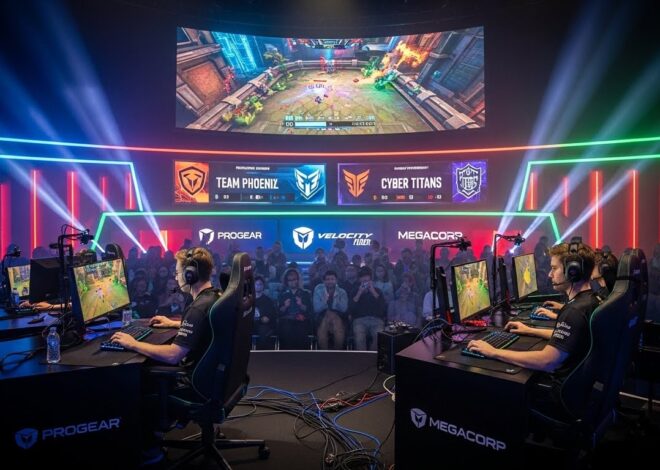
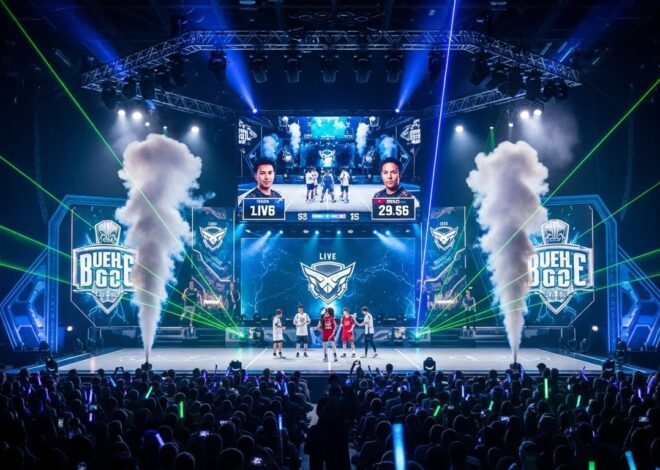
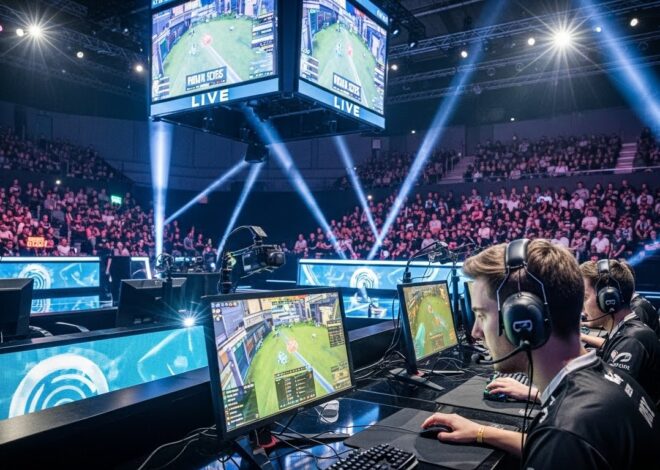
The world of competitive gaming, often referred to as esports, has transformed from a niche hobby to a global phenomenon in just a few decades. Once limited to amateur gatherings in basements or small gaming cafes, esports now fills massive stadiums, attracts millions of viewers, and offers prize pools that rival traditional sports leagues. From humble beginnings to international championships, esports has grown to become a multi-billion-dollar industry, influencing gaming culture, entertainment, and even the way we perceive competition. This blog post explores the evolution of esports, its impact on the gaming community, and the future of this rapidly expanding sector.
The Early Days: The Birth of Competitive Gaming
Esports, in its earliest form, can be traced back to the 1970s and 1980s, when arcade games like Pong and Space Invaders were first introduced. While these early games didn’t have the structure or global reach of today’s esports, they laid the groundwork for competitive gaming. Local competitions were often informal, but they provided a glimpse into the potential of gaming as a competitive activity.
However, it wasn’t until the 1990s that competitive gaming began to gain serious traction. The release of games like Doom (1993) and Warcraft (1994) marked the rise of multiplayer gaming, where players could compete against each other online. Early tournaments were small, but they helped foster a sense of community and introduced the concept of professional gaming.
In 1997, the first significant tournament took place for the game Quake, hosted by Red Annihilation. The event saw the winner, Dennis “Thresh” Fong, take home a Ferrari as part of his prize, signaling the potential for esports as a serious business. While still in its infancy, this tournament and others like it were crucial in establishing the competitive gaming scene.
The 2000s: The Growth of Esports
As the new millennium dawned, esports began to evolve rapidly. The rise of broadband internet made online multiplayer gaming more accessible, allowing gamers to compete on a global scale. Games like StarCraft, Counter-Strike, and Warcraft III became staples in the competitive gaming scene during the early 2000s.
In particular, StarCraft—released in 1998 by Blizzard Entertainment—was a pivotal game in the development of esports, particularly in South Korea. South Korea became the epicenter of esports during this period, with the government and corporations investing heavily in the industry. Pro-gamers emerged, and the popularity of esports soared. The Korean eSports Association was established in 2000, and soon after, the Korean Professional eSports League was formed, setting the stage for the professionalization of gaming.
The rise of esports in Korea is a fascinating story in itself. The game StarCraft: Brood War became a national obsession, with dedicated television channels airing competitive matches. This period also saw the introduction of esports sponsorships, professional teams, and even endorsements from mainstream brands, such as Coca-Cola and Samsung. South Korea’s influence on esports would continue throughout the 2000s, shaping how other regions approached the development of competitive gaming.
During this time, Counter-Strike (1999) emerged as one of the most important competitive games of the early 2000s. The first major Counter-Strike tournaments were held in Europe and North America, creating the foundation for the first truly international esports events. The early 2000s also saw the introduction of World Cyber Games (WCG) in 2000, which would later become one of the most prestigious esports competitions globally.
The 2010s: Esports Goes Mainstream
The 2010s marked a major turning point in the esports world. No longer limited to a small group of enthusiasts, esports was now reaching the mainstream. Games like League of Legends, Dota 2, and Call of Duty became international sensations, with players from all corners of the world competing for fame and fortune.
In 2011, League of Legends—developed by Riot Games—was released, quickly becoming one of the most popular games in the world. The game’s success helped to propel the esports industry into the mainstream. Riot Games’ decision to create the League of Legends Championship Series (LCS) in 2013 helped establish the framework for professional esports leagues and tournaments. League of Legends became the backbone of esports, with millions of viewers tuning in for the annual World Championship, where top teams from around the world competed for a multi-million-dollar prize pool.
Dota 2, developed by Valve Corporation, followed suit in 2013 with the launch of The International, a tournament with an unprecedented prize pool. The prize pool for The International 3 started at $1 million, but thanks to crowd-funding through the sale of in-game items, the total prize pool eventually surpassed $2.8 million. The success of Dota 2 and League of Legends inspired other developers to create games with esports potential, including Overwatch (2016), PUBG (2017), and Fortnite (2017).
In 2016, Overwatch League (OWL) was launched by Blizzard Entertainment, introducing a city-based franchising system that mirrored traditional sports leagues like the NBA and NFL. OWL’s innovative structure helped establish esports as a serious professional career, with players earning salaries, sponsorships, and fame. The league attracted large investments from traditional sports organizations and media companies, such as the Philadelphia 76ers and Comcast. The success of OWL, along with the increasing popularity of games like Fortnite, helped to solidify esports as a legitimate, multi-billion-dollar industry.
The 2010s also saw the rise of streaming platforms like Twitch, which played a key role in the growth of esports. Founded in 2011, Twitch allowed gamers to broadcast their gameplay and interact with viewers in real-time. Esports tournaments quickly became one of the most-watched categories on the platform. In 2014, Amazon acquired Twitch for nearly $1 billion, further validating the platform’s importance in the esports ecosystem. Streaming provided players with the ability to build personal brands, interact with fans, and make a living through sponsorships and donations.
The Modern Era: Esports Today
As we move into the 2020s, esports has continued to grow and diversify. The global audience for esports is estimated to be over 500 million people, and the industry is expected to generate billions of dollars in revenue. The rise of mobile gaming has expanded the reach of esports, with titles like PUBG Mobile, Mobile Legends, and Free Fire gaining massive popularity in regions like Southeast Asia and Latin America.
The biggest esports tournaments today feature prize pools that dwarf those of traditional sports. For example, The International 10 (2021) had a prize pool of over $40 million, the largest in esports history. Major events like League of Legends Worlds, The International, and the Call of Duty League Championship are broadcast worldwide, attracting millions of viewers across multiple platforms, including Twitch, YouTube, and Facebook Gaming.
Esports teams have become full-fledged organizations, complete with coaching staff, analysts, and content creators. Some of the most well-known esports teams, such as Team Liquid, Cloud9, FaZe Clan, and G2 Esports, have expanded beyond gaming to include fashion lines, YouTube channels, and global fanbases. These organizations often sign multi-million-dollar sponsorship deals with major companies such as Nike, Coca-Cola, and BMW, demonstrating the financial power and appeal of esports.
Esports also continues to break barriers in terms of its global appeal. While it started as a predominantly Western and South Korean phenomenon, esports is now popular in regions such as China, India, and Brazil. In China, games like League of Legends and Honor of Kings have massive followings, with government support and sponsorships from tech giants like Tencent propelling the industry to new heights.
The Future of Esports
Looking ahead, the future of esports appears bright, with continued growth expected in both viewership and revenue. One of the most exciting developments is the potential integration of esports into the Olympic Games. In 2021, the International Olympic Committee (IOC) held discussions about the inclusion of esports in future Olympic events. While the exact details of this are still in flux, it highlights the growing recognition of esports as a legitimate and valuable form of competition.
The development of virtual reality (VR) and augmented reality (AR) gaming also promises to revolutionize the esports landscape. As technology advances, we may see esports tournaments that incorporate VR or AR, offering players and spectators entirely new ways to engage with the sport.
The continued growth of mobile esports is another trend to watch. With mobile phones becoming more powerful and accessible, it is likely that mobile esports will continue to attract new players and fans. The rise of cloud gaming—services that allow players to stream games without needing powerful hardware—also presents opportunities for esports to reach a broader audience, enabling more people to participate in competitive gaming without the need for expensive equipment.
Furthermore, the increasing popularity of female gamers in esports is a welcome trend. Although women have been underrepresented in the professional esports scene for many years, initiatives to promote diversity and inclusivity are beginning to pay off. Female-centric leagues, events, and communities are emerging, offering a platform for women to showcase their skills and achieve success in the industry.
Conclusion
Esports has come a long way since its early days as a niche hobby. From small LAN parties and local competitions to global tournaments with millions of viewers, esports has evolved into a massive industry that rivals traditional sports. Today, esports is not just about gaming—it’s a multi-faceted entertainment experience that includes sponsorships, streaming, media partnerships, and even career opportunities for players and content creators.
As the esports ecosystem continues to grow, it is clear that the future of competitive gaming is incredibly bright. With the potential for further integration into mainstream media, new technological advancements, and an ever-expanding global fanbase, esports is poised to shape the future of entertainment for generations to come. Whether you’re a gamer, a fan, or someone looking to enter the industry, now is an exciting time to be part of the esports revolution.