The Rise of Esports: A Revolution in the Digital Arena
Introduction: From Living Room Games to Global Arenas
Once dismissed as mere entertainment, gaming has evolved into a multi-billion-dollar industry that rivals traditional sports in viewership, sponsorship, and cultural influence. The term Esports — short for electronic sports — now represents a dynamic world of competitive gaming, where professional players, teams, and organizations battle across virtual landscapes for fame, glory, and fortune.
What began as small arcade competitions in the 1980s has transformed into massive international tournaments broadcast live to millions of viewers. Esports isn’t just a niche hobby anymore; it’s a legitimate sporting phenomenon shaping the future of entertainment, technology, and even education.
The Origins of Esports: Where It All Began
The roots of Esports trace back to 1972 when Stanford University hosted the world’s first video game competition. Students played “Spacewar!” for the grand prize — a year’s subscription to Rolling Stone magazine. Though small, it planted a seed for competitive gaming.
By the 1980s, arcade classics like Pac-Man and Donkey Kong turned gaming into a social experience. Players competed for high scores, while television shows such as Starcade showcased gaming on-screen. However, it wasn’t until the late 1990s and early 2000s, with the rise of the internet, that gaming competitions took their modern form. LAN parties — gatherings where players connected computers in one space — allowed real-time multiplayer battles in games like Counter-Strike and StarCraft.
This period marked the beginning of organized leagues, professional teams, and global tournaments, setting the stage for Esports as we know it today.
The Growth of Competitive Gaming in the 2000s
The 2000s brought an explosion of online gaming platforms, broadband internet, and community-driven titles. Games like Warcraft III, Halo 2, and Counter-Strike: Source became staples of the Esports scene. Competitive circuits such as Major League Gaming (MLG) and the Electronic Sports World Cup provided structure, rules, and sponsorship opportunities.
In South Korea, Esports reached national recognition early. StarCraft: Brood War turned gamers into celebrities, with televised matches drawing millions of viewers. Korean players like Lim “BoxeR” Yo-hwan became household names, and dedicated Esports stadiums were constructed. This model inspired other nations to follow suit.
By 2010, Esports had developed its own ecosystem — complete with professional commentators, coaches, analysts, and production crews. What was once a pastime had become a profession.
The Role of Streaming and Social Media
The turning point for Esports came with the rise of live-streaming platforms. Twitch, YouTube Gaming, and later Facebook Gaming transformed how audiences consumed content. Fans could now watch their favorite players live, engage through chat, and follow tournaments in real time.
Streaming democratized Esports — anyone with skill and personality could attract an audience. Players like Ninja, Shroud, and Faker became global icons not only for their gameplay but for their entertainment value.
Social media amplified Esports even further. Teams built brands, fans formed communities, and moments went viral. A single highlight clip could reach millions overnight. This shift made Esports accessible, interactive, and endlessly marketable.
The Major Esports Titles and Their Impact
Different genres define Esports, each bringing unique audiences and competitive structures. Let’s explore some of the most influential games that have shaped the industry.
1. League of Legends
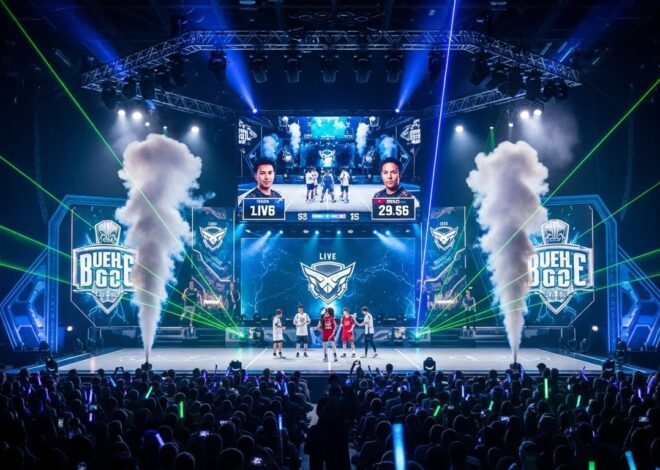
Developed by Riot Games, League of Legends (LoL) remains one of the most-watched Esports titles globally. Its strategic depth, team coordination, and evolving meta keep fans engaged. The League of Legends World Championship attracts millions of viewers annually, with production values rivaling the Olympics’ opening ceremony.
2. Dota 2
Valve’s Dota 2 hosts The International, one of the richest tournaments in Esports history. The event’s prize pool often exceeds $40 million, crowdfunded by its passionate fanbase. The game’s complexity and high skill ceiling have cemented its place as a benchmark for competitive excellence.
3. Counter-Strike: Global Offensive
A timeless classic, CS:GO blends precision shooting with tactical teamwork. Tournaments like ESL One Cologne and PGL Major consistently draw massive crowds. Its simple concept — attack or defend — belies the incredible depth of strategy within.
4. Fortnite
Epic Games’ Fortnite brought battle royale into the Esports mainstream. Its blend of building mechanics and gunplay attracted younger audiences, while celebrity events and influencer participation blurred the line between gaming and pop culture.
5. Valorant, Overwatch, and Beyond
Games like Valorant and Overwatch combine shooter mechanics with character-based abilities, creating a bridge between tactical play and creativity. These newer titles continue to push Esports forward with innovative gameplay and polished broadcasting.
The Economic Power of Esports
Esports has become a financial powerhouse. Sponsorships, advertising, merchandise, media rights, and ticket sales contribute to an industry valued in the billions.
Corporations like Intel, Red Bull, and Nike have invested heavily, recognizing the potential of a young, global audience. Traditional sports franchises — from the NBA to Formula 1 — have also entered the space, creating their own Esports teams and leagues.
Moreover, Esports’ digital-first model makes it incredibly adaptable. Unlike traditional sports, tournaments can be held entirely online, allowing global participation without geographical barriers. This scalability gives Esports a unique advantage in the modern entertainment landscape.
Professional Players and Team Culture
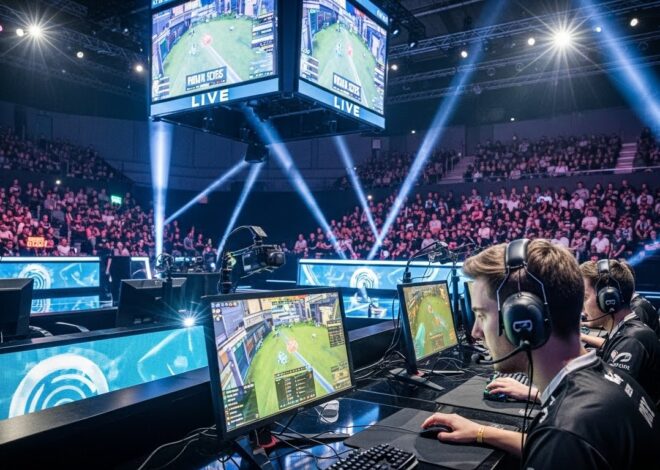
Esports athletes train rigorously, often practicing 8–12 hours a day. They study opponents, refine strategies, and work with coaches on mental and physical conditioning. Teams employ analysts, nutritionists, and even sports psychologists to optimize performance.
The team environment mirrors traditional sports — camaraderie, leadership, and discipline are essential. Organizations like Team Liquid, Cloud9, and T1 have built massive infrastructures supporting multiple game divisions.
However, the lifestyle isn’t without challenges. Burnout, injuries like wrist strain, and pressure from fans can take a toll. The industry is slowly recognizing the need for sustainable schedules and mental health awareness.
The Globalization of Esports
Esports transcends borders. Asia remains a powerhouse, with South Korea, China, and Japan dominating many titles. Europe has produced tactical masterminds, while North America’s entertainment-driven model brings sponsorship innovation.
Emerging regions — such as Latin America, the Middle East, and Africa — are now developing their own Esports communities, fueled by improving internet access and mobile gaming.
Mobile Esports, in particular, has unlocked new audiences. Titles like PUBG Mobile, Free Fire, and Mobile Legends: Bang Bang have millions of daily players, with massive tournaments hosted in developing nations. For many, mobile devices are their gateway into the world of competitive gaming.
The Role of Technology and Infrastructure
Behind every Esports event lies cutting-edge technology. High-refresh-rate monitors, powerful GPUs, and low-latency networks are essential. Cloud gaming and AI-driven analytics now assist teams in reviewing gameplay data to enhance performance.
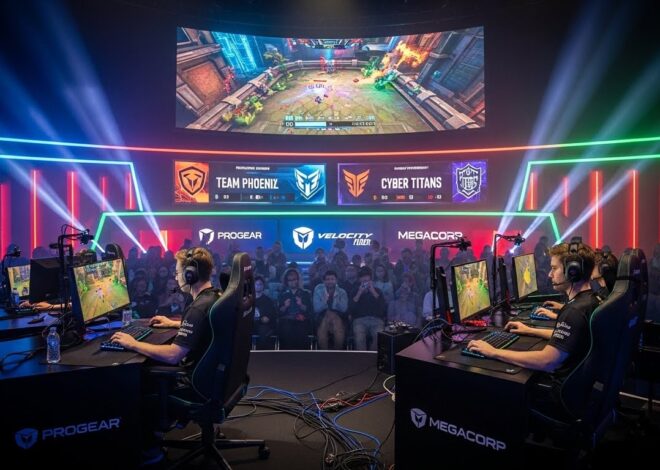
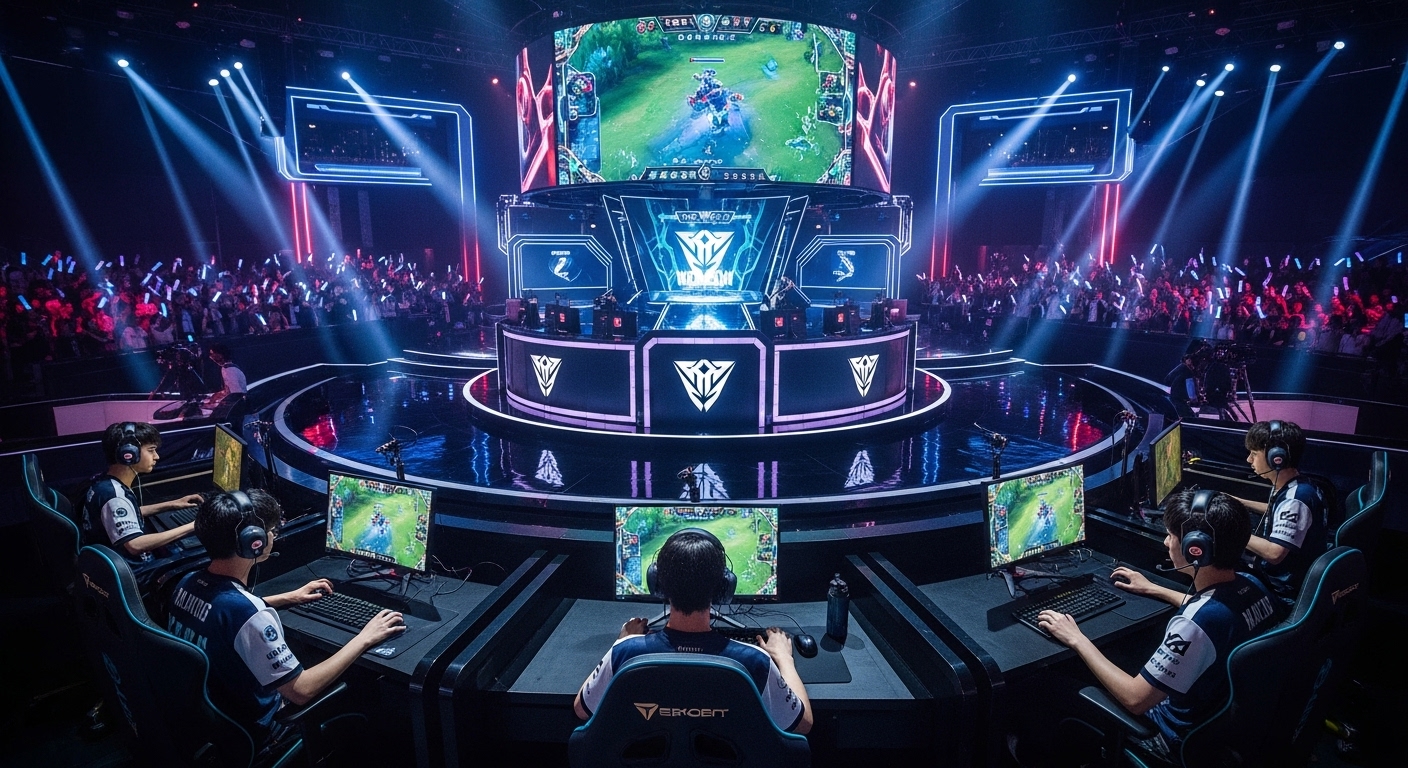
Production technology has evolved dramatically — live broadcasts include augmented reality effects, real-time statistics, and cinematic camera work. Esports events now resemble high-end film productions, blending tech, art, and sport seamlessly.
Esports Education and Career Opportunities
Esports is no longer confined to competition alone. Universities worldwide offer Esports scholarships, degrees in game design, and programs in broadcasting, event management, and marketing.
Beyond playing, Esports offers careers in commentary, journalism, coaching, and production. The ecosystem thrives on diverse talents — from developers and animators to strategists and community managers.
This expansion legitimizes Esports as a multi-disciplinary industry with opportunities across the spectrum, not just for those holding a controller or mouse.
Esports and Mainstream Acceptance
For years, skeptics dismissed Esports as “not real sports.” That perception has shifted dramatically. Major television networks now air Esports tournaments. The International Olympic Committee has acknowledged Esports’ legitimacy, even experimenting with virtual competitions.
Traditional sports stars and celebrities invest in teams, blurring the lines between athleticism and gaming. The overlap is clear: discipline, teamwork, and mental focus are as essential in Esports as they are on the physical field.
Challenges Facing the Esports Industry
Despite its growth, Esports faces several hurdles.
1. Player Welfare
Burnout, sleep deprivation, and short career spans plague many professionals. Unlike traditional sports with long-established unions, Esports lacks consistent player protection across regions.
2. Regulation and Standardization
Each game developer controls its competitive ecosystem, leading to fragmented rules and inconsistent governance. Efforts are underway to standardize tournaments and ensure fair competition globally.
3. Gender and Inclusion
Esports has long been male-dominated, but that’s changing. Female leagues, diversity initiatives, and inclusive communities are rising. However, toxic behavior and online harassment remain issues that the industry must address head-on.
4. Sustainability and Overcommercialization
As brands flood the scene, maintaining authenticity is vital. Esports thrives on community trust; too much commercialization could alienate core audiences. Sustainable growth, balancing business and passion, remains key.
The Psychological Edge: Mind Games in the Digital Arena
At its core, Esports is about mental mastery. Players must process information in milliseconds, anticipate moves, and remain composed under immense pressure.
Sports psychology plays a growing role — visualization, mindfulness, and resilience training are becoming standard practices. The mental endurance required mirrors that of chess grandmasters and Olympic athletes.
Esports has also proven therapeutic for many. It fosters problem-solving skills, social connections, and emotional intelligence, breaking stereotypes of isolation and addiction.
Cultural Impact: The Esports Generation
Esports has shaped youth culture like no other medium. It influences fashion, music, and even language. Gaming slang has entered mainstream conversation, and Esports arenas are today’s concert halls.
Music artists collaborate with game studios, virtual concerts draw millions, and gaming characters appear in films and TV. The crossover between pop culture and gaming is now seamless — a sign that Esports isn’t just entertainment but cultural identity.
Esports During the Pandemic: A Digital Lifeline
When the COVID-19 pandemic halted traditional sports, Esports filled the void. Virtual competitions thrived as people sought connection online.
Even sports leagues like Formula 1 and the NBA hosted Esports versions of their tournaments, keeping fans engaged. The adaptability of digital competition proved Esports’ resilience — it wasn’t merely entertainment, but a community lifeline during isolation.
The Future of Esports
The future of Esports looks boundless. Virtual Reality (VR) and Augmented Reality (AR) promise to blur the line between player and spectator. Blockchain technologies and NFTs may redefine ownership and digital identity in gaming.
With AI-driven personalization, fans could soon experience interactive broadcasts that adjust camera angles and commentary to their preferences. As 5G expands, mobile Esports will connect even the most remote regions to the global stage.
Esports is no longer the future — it’s the present redefining what entertainment means in the digital age.
Conclusion: The Era of Esports Has Just Begun
From humble arcades to grand arenas, from teenagers in bedrooms to multimillion-dollar professionals, Esports has transcended its roots to become a defining movement of the 21st century. It embodies innovation, diversity, and passion — uniting millions under a single banner of digital competition.
As technology evolves and generations grow up in a connected world, Esports stands not as a replacement for traditional sports but as a new expression of human skill, creativity, and connection.
The story of Esports is far from over — in fact, it’s only just beginning. The next chapter will not be written on paper but played, streamed, and shared across screens worldwide.