The Rise of Esports: From Basement Hobby to Global Phenomenon
Introduction: A New Era of Competition
Esports, or electronic sports, have transformed from casual gaming sessions among friends into a multi-billion-dollar global industry. What was once dismissed as a hobby is now a legitimate profession, attracting millions of fans, massive sponsorships, and global recognition. The competitive gaming landscape has grown beyond imagination, influencing culture, technology, and entertainment worldwide.
Understanding Esports means exploring not only the games and players but also the ecosystem that has built around them—the streaming platforms, the audiences, the events, and the companies investing heavily in this ever-expanding field. To grasp how Esports became such a powerful cultural force, it helps to trace its journey from its humble beginnings to its modern-day prominence.
The Origins of Competitive Gaming
Long before streaming or global tournaments, gaming competitions existed in modest forms. The earliest documented Esports event dates back to the 1970s when students at Stanford University competed in a game called “Spacewar.” The prize was a year’s subscription to Rolling Stone magazine. Though small, this event planted the seed for what would eventually become a worldwide movement.
The 1980s marked an important era for gaming in general. Arcade culture exploded, and players began competing for high scores on games like Pac-Man, Donkey Kong, and Space Invaders. The competitive element was mostly informal—friends trying to beat each other’s records—but it showcased the human instinct for competition, even in a digital world.
As technology advanced, the 1990s saw multiplayer gaming take center stage. LAN parties became popular, where gamers physically gathered with their computers to connect and play. Games like Doom, Quake, and StarCraft pioneered the concept of organized digital competition. These titles didn’t just require reflexes; they demanded strategy, coordination, and teamwork, laying the foundation for the professional scene that would soon follow.
The Early 2000s: Laying the Foundation for Modern Esports
By the early 2000s, internet connectivity had improved dramatically, allowing gamers to compete across cities, countries, and eventually continents. This was the era when Esports began to take a recognizable shape. Major tournaments like the Cyberathlete Professional League (CPL) and the World Cyber Games (WCG) emerged, bringing structure and legitimacy to competitive gaming.
Counter-Strike, Warcraft III, and StarCraft: Brood War became household names among dedicated players. South Korea, in particular, became the epicenter of professional gaming. Televised StarCraft matches attracted millions of viewers, and professional players were treated like national celebrities. The infrastructure, sponsorship, and audience engagement developed in Korea became a model for the rest of the world to follow.
Meanwhile, gaming hardware and software companies began to realize the potential marketing power of Esports. NVIDIA, Intel, and other tech giants started sponsoring tournaments, providing the financial and technological backbone that allowed the industry to expand.
The Streaming Revolution
The next major leap came with the rise of online streaming platforms. Twitch, launched in 2011, changed everything. Suddenly, anyone could watch professional players from around the world compete in real-time, without needing a TV broadcast. This democratized access to Esports content and allowed fans to connect with their favorite players on a personal level.
Streaming didn’t just make Esports accessible; it made it interactive. Viewers could chat, cheer, and even donate directly to players. This built communities around games and personalities, making Esports more than just a form of entertainment—it became a shared experience.
YouTube, Facebook Gaming, and other platforms joined in, increasing exposure. Streaming also opened doors for independent tournaments, allowing smaller games and lesser-known players to find their audience without corporate backing.
Esports Becomes a Global Industry
By the mid-2010s, Esports had gone mainstream. Games like League of Legends, Dota 2, and Overwatch established professional leagues with structured seasons, team franchises, and massive prize pools. The League of Legends World Championship and The International became annual spectacles, drawing millions of viewers worldwide.
At the same time, traditional sports organizations took notice. Football clubs like Paris Saint-Germain and Manchester City launched their own Esports divisions. The NBA partnered with Take-Two Interactive to create the NBA 2K League, blending sports and gaming into one ecosystem. This crossover added credibility and attracted investors who previously wouldn’t have considered gaming a serious business.
Sponsors ranging from energy drink brands to tech companies poured money into teams, events, and players. Prize pools skyrocketed—The International 2019 in Dota 2 reached over 34 million dollars, funded largely by the game’s community. Such numbers proved that Esports wasn’t just sustainable; it was thriving.
The Culture and Community of Esports
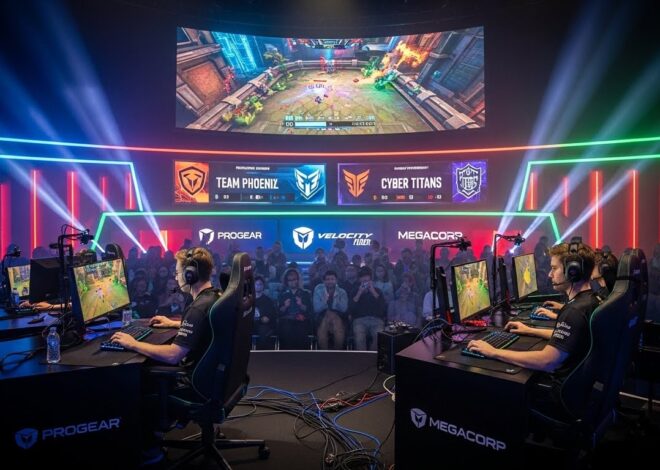
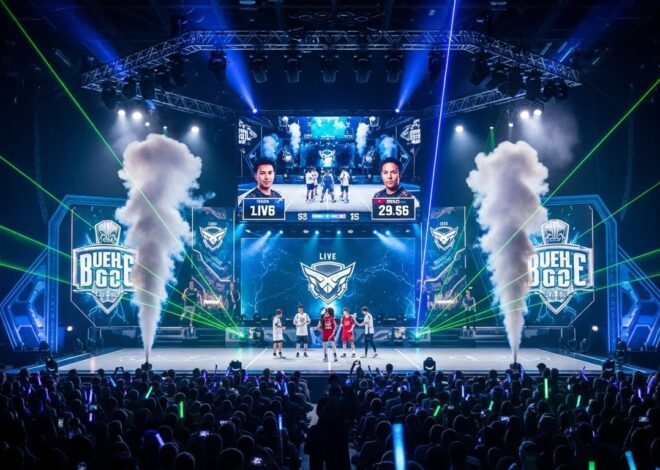
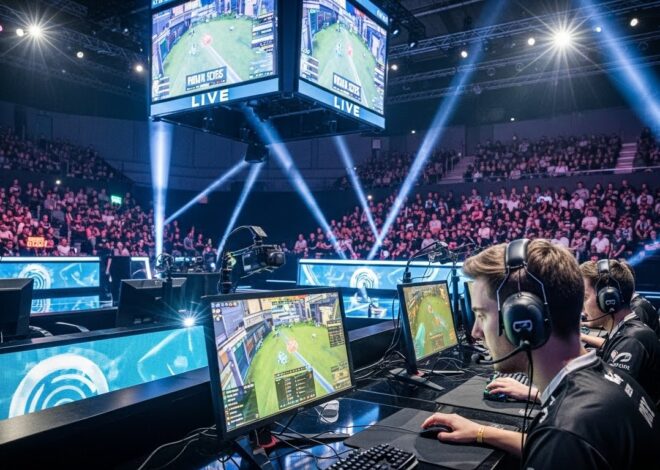
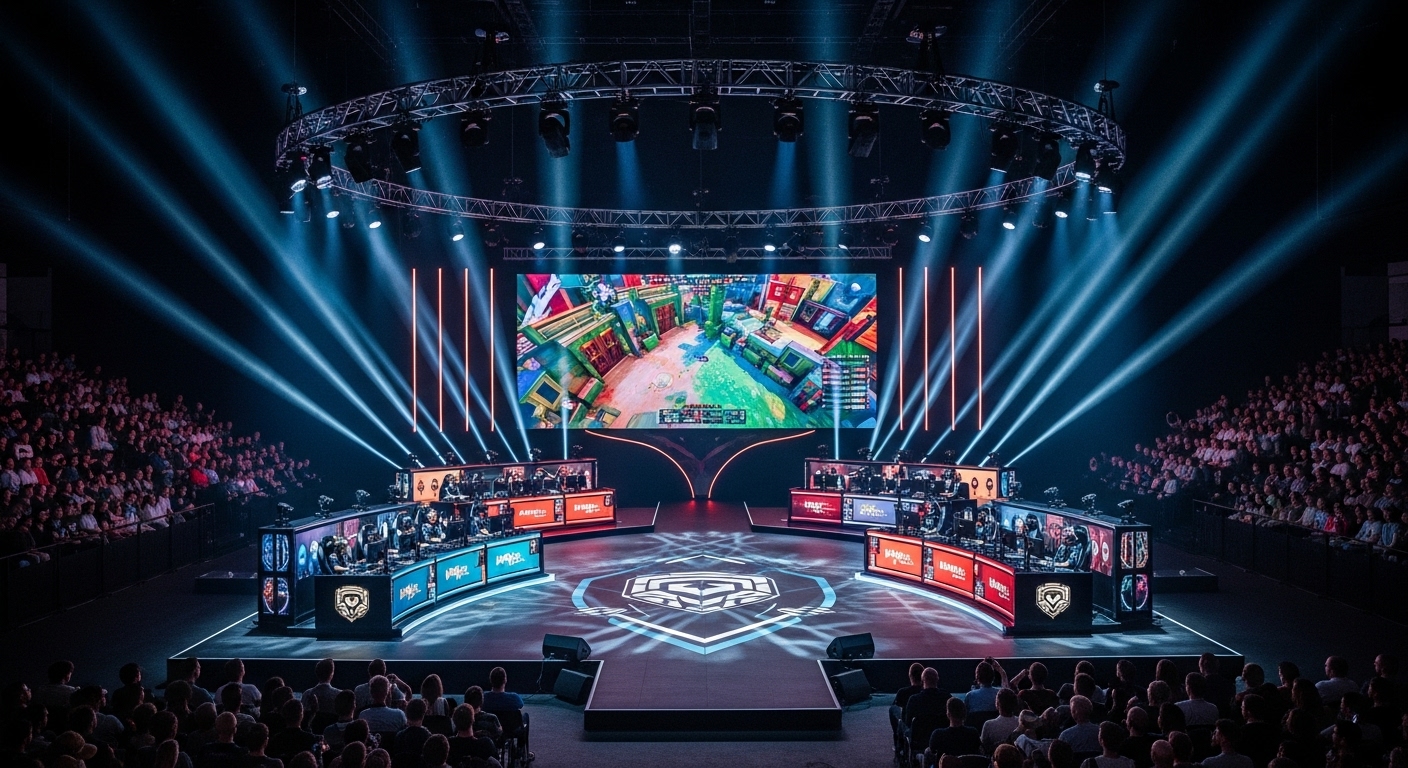
Esports culture is unique because it merges digital entertainment, technology, and human connection. Unlike traditional sports that rely on physical venues, Esports thrives in both digital and physical spaces simultaneously. Fans gather online to discuss strategies, share memes, and celebrate victories. Offline, they pack arenas to witness their favorite teams play on massive LED screens with live commentary, music, and special effects.
The sense of belonging in Esports communities is powerful. Players often form teams with people they’ve never met in person but who share the same passion and drive. Fans develop emotional attachments to players much like traditional athletes. These communities are also remarkably diverse, cutting across nationalities, languages, and even age groups.
Streaming personalities and Esports players often become influencers, shaping gaming culture far beyond competition. Their words, habits, and lifestyles influence how millions view gaming itself. Whether it’s the disciplined approach of professional teams or the creative chaos of streamers, Esports continues to redefine entertainment for the digital generation.
Technology’s Role in Esports Growth
Technology is the backbone of Esports. Without high-speed internet, powerful PCs, and efficient streaming platforms, the industry wouldn’t exist in its current form. The hardware industry has grown alongside Esports, with gaming peripherals—keyboards, mice, monitors, and headsets—becoming specialized products designed for competitive performance.
Cloud gaming and 5G networks are opening new frontiers. Low-latency connections mean players can compete seamlessly even from different continents. Virtual Reality (VR) and Augmented Reality (AR) are being explored for immersive experiences, potentially creating hybrid forms of competition that blend real-world movement with digital strategy.
Artificial Intelligence (AI) also plays a growing role. From matchmaking systems to performance analytics, AI helps players train smarter, not just harder. Coaches use data visualization tools to analyze player behavior, while developers use machine learning to improve game balance.
The Business of Esports
Behind the flashing lights and thrilling matches lies a complex business structure. Esports organizations operate much like traditional sports teams, with players under contract, coaches, analysts, and marketing staff. Revenue comes from sponsorships, media rights, merchandise, and ticket sales for live events.
Tournaments have become major productions, often rivaling concerts in terms of spectacle. Companies like Riot Games and Valve invest heavily in organizing global competitions, knowing that brand loyalty and community engagement drive long-term success.
At the same time, Esports faces business challenges. Monetizing fan engagement without alienating players is a constant balancing act. While sponsorship remains the main source of income, the industry is exploring new avenues—such as digital goods, NFTs, and subscription-based access to exclusive content—to create sustainable revenue streams.
Careers in Esports Beyond Playing
Many people associate Esports careers solely with professional players, but the ecosystem is much broader. Behind every successful team or tournament, there are dozens of roles that keep things running smoothly. Commentators, also known as shoutcasters, provide play-by-play narration and analysis that enhances the viewing experience. Event organizers manage logistics, production, and broadcasting. Content creators build narratives that keep audiences engaged year-round.
Marketing professionals connect sponsors to the right audiences. Data analysts and coaches work together to improve team performance. Even educators and psychologists are now part of the Esports world, helping players manage stress and maintain mental health. The industry’s growth has created job opportunities that didn’t exist a decade ago, blending skills from gaming, business, and media.
Esports and Education
Educational institutions have also begun to recognize Esports as more than just play. Many universities offer Esports scholarships, treating gaming talent on par with athletic skill. Esports programs teach teamwork, communication, and strategic thinking—skills that translate into careers both inside and outside gaming.
High schools are introducing Esports clubs and tournaments to engage students who might not participate in traditional sports. This inclusion helps bridge social gaps and provides a sense of belonging for students who excel in digital environments. Esports also fosters interest in STEM fields, as many players develop curiosity about technology, coding, and game design.
The Global Reach of Esports
One of Esports’ most defining traits is its global reach. Unlike most sports that are limited by geography or weather, Esports transcends borders. A player in Brazil can compete against someone in Germany, and fans in India can cheer for teams from the United States or Korea—all in real-time.
Regions like North America, Europe, and Asia have dominated the Esports scene, but new markets are rapidly emerging. Countries in the Middle East, Africa, and South America are investing in gaming infrastructure and hosting international tournaments. This expansion is helping diversify the industry and create new opportunities for talent and innovation.
Localization has also become key to Esports’ global success. Games are translated into dozens of languages, and regional tournaments ensure that players from every corner of the world can participate and build local fan bases.
Challenges Facing the Esports Industry
Despite its success, Esports faces several challenges that must be addressed for sustainable growth. Player burnout is a major issue. The intense training schedules and constant online presence can take a toll on mental and physical health. Organizations are starting to provide better support systems, but the issue persists.
Another concern is regulation. Unlike traditional sports governed by single organizations, Esports lacks a unified body. Each game has its own ecosystem, rules, and tournaments. This fragmentation can make it difficult to establish consistent standards regarding contracts, player rights, and fair competition.
Cheating and match-fixing have also surfaced as major threats. With so much money and fame involved, maintaining integrity is crucial. Game developers and tournament organizers continually refine anti-cheat systems and implement strict policies to protect the credibility of competitions.
Finally, there’s the ongoing debate about inclusivity. While Esports is more accessible than most sports, it still faces gender and diversity gaps. Encouraging participation from all backgrounds will be essential for its long-term health and relevance.
Esports and Traditional Sports: A Converging Future
The relationship between Esports and traditional sports continues to evolve. Initially seen as competitors, they now increasingly complement each other. Many sports organizations use Esports as a way to engage younger audiences. Virtual versions of sports like football, basketball, and racing bring fans closer to the action, even when they can’t attend real games.
Meanwhile, Esports adopts lessons from traditional sports in terms of professionalism, fitness, and team management. The two industries are blending in fascinating ways—cross-promotions, shared sponsorships, and even joint events are becoming more common. The line between digital and physical competition is blurring, creating a unified vision of global sports entertainment.
The Future of Esports
Looking ahead, Esports shows no sign of slowing down. With emerging technologies and growing mainstream acceptance, the industry is poised for even greater transformation. Virtual reality tournaments, AI-driven coaching, and fully immersive spectator experiences could redefine how we think about competition.
The integration of Esports into education, entertainment, and even healthcare will continue. Governments and institutions are starting to see the social and economic potential of gaming, leading to more public investments and policy support.
In the near future, Esports may also become an Olympic event. Discussions are already underway about how to include digital competitions in major sporting festivals. While the debate continues, the mere consideration of Esports alongside traditional athletic events speaks volumes about its cultural importance.
Conclusion: More Than Just Games
Esports is far more than people playing video games competitively. It’s a reflection of how technology, community, and human ambition can come together to create something entirely new. It represents a shift in how we define sports, entertainment, and even social interaction.
From the dimly lit arcades of the 1980s to sold-out stadiums filled with roaring fans, Esports has traveled a remarkable journey. Its story is still being written, one match at a time, by players and fans who believe in the power of digital competition to unite the world.
The rise of Esports isn’t just about who wins or loses—it’s about how a generation found connection, opportunity, and purpose through play. And as technology continues to evolve, Esports will evolve with it, standing as one of the defining cultural movements of the 21st century.